Vintage UI

A visual history for real interface systems

Study the past. Design the interface.

Vintage UI turns art-historical movements into practical website systems. Each system studies a period's visual logic, then translates it into reusable components, page sections, imagery rules, and commercial patterns that can hold a real business site.

The work is not nostalgia. We are a team of passionate indie builders and artists connecting vintage feeling with modern websites, with enough structure to survive production.

Begin with the timeline: 1740-1930

Before the timeline

Every period leaves behind an interface problem.

Vintage UI treats art history as product research. A porcelain room explains why delicate products need naming, spacing, and care. A salon explains arrival, hierarchy, and reservation. A poster city explains appetite and public attention. A modern grid explains how taste becomes repeatable structure.

The timeline below is not a decoration reel. It is a working study of how period logic becomes components, sections, templates, documentation, and business surfaces that can ship on real websites.

Read it as a set of design arguments. Each period leaves behind a different interface problem, and each system answers it with a different rhythm of typography, imagery, ornament, and action.

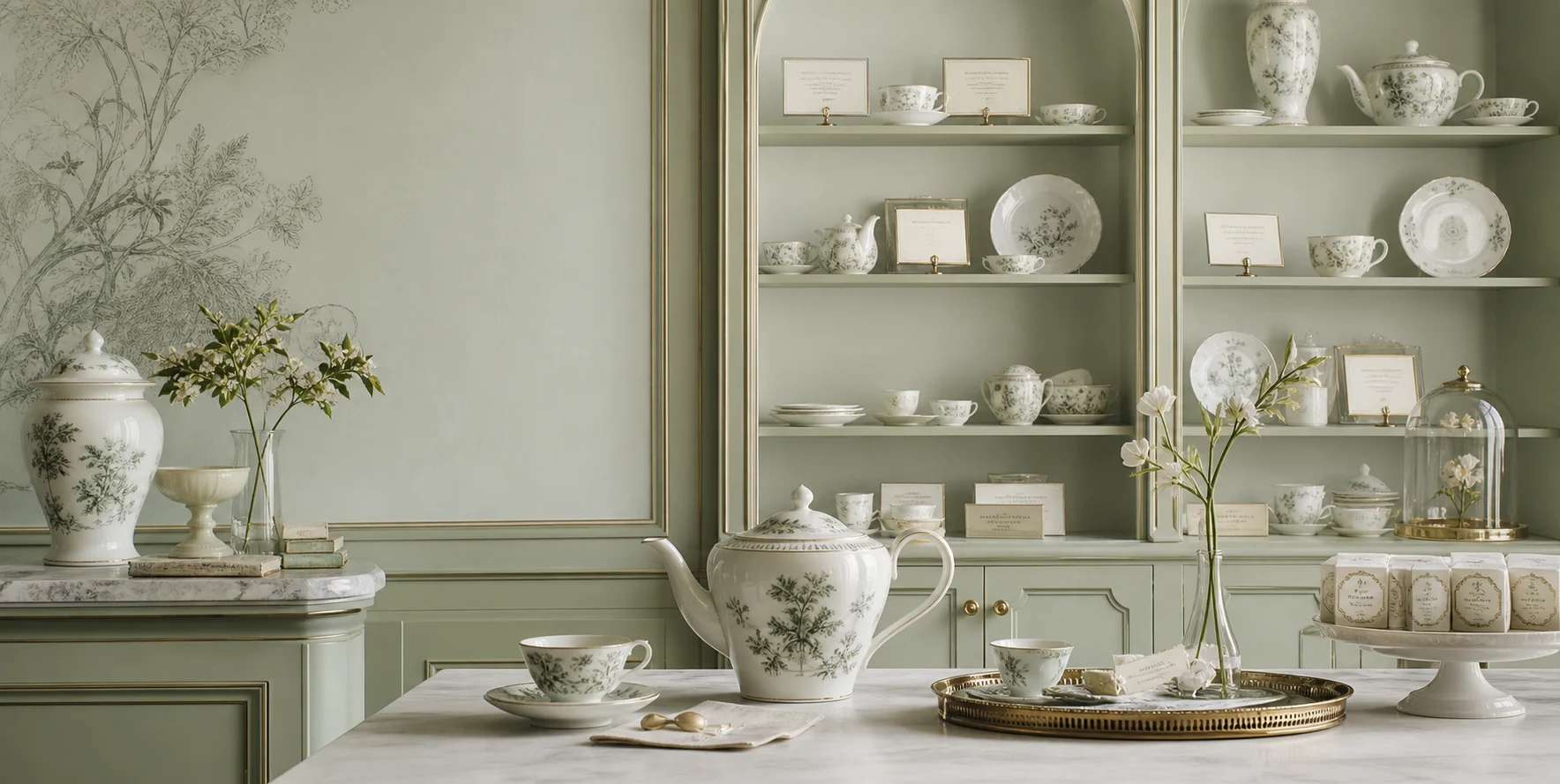
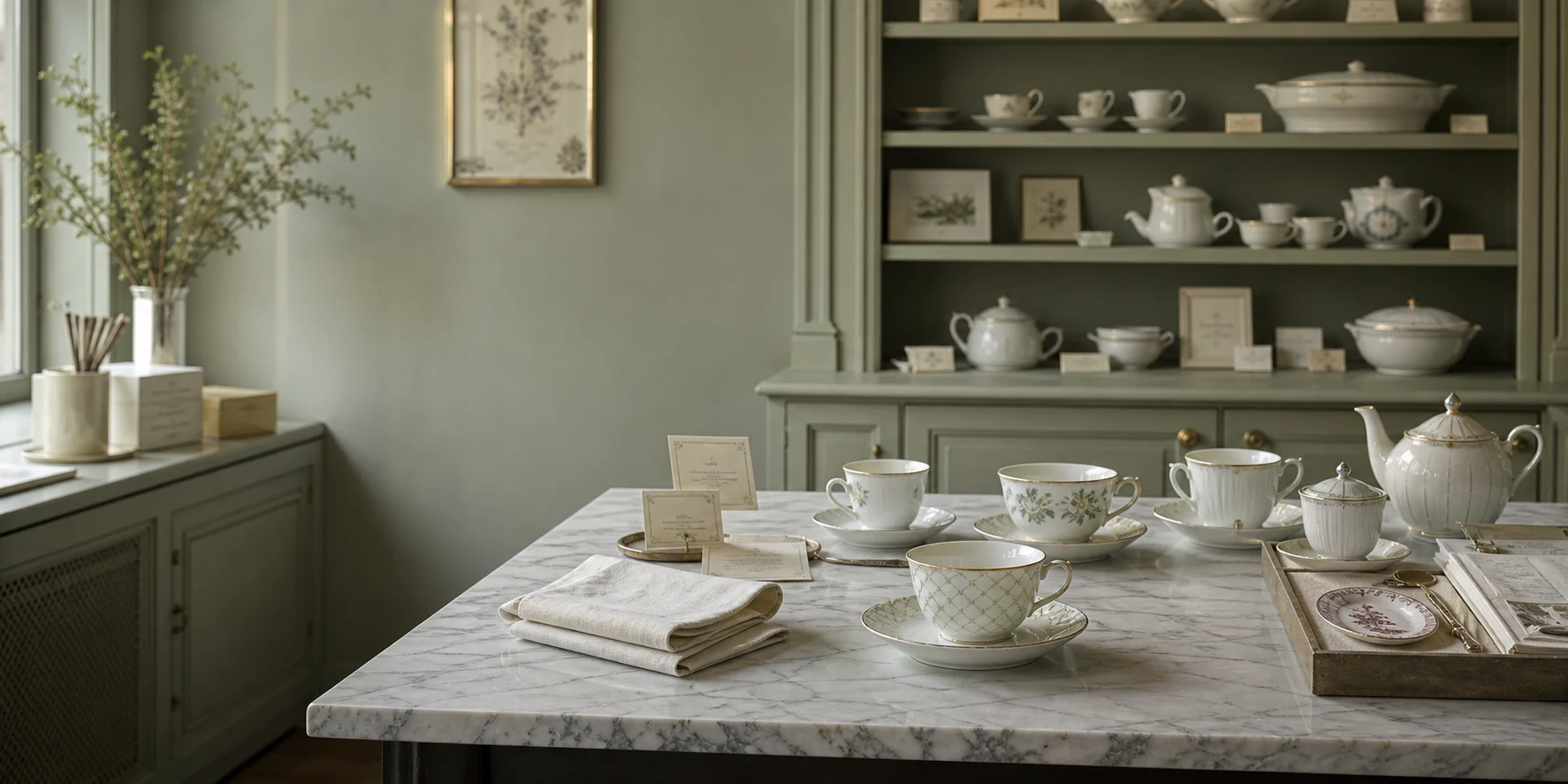
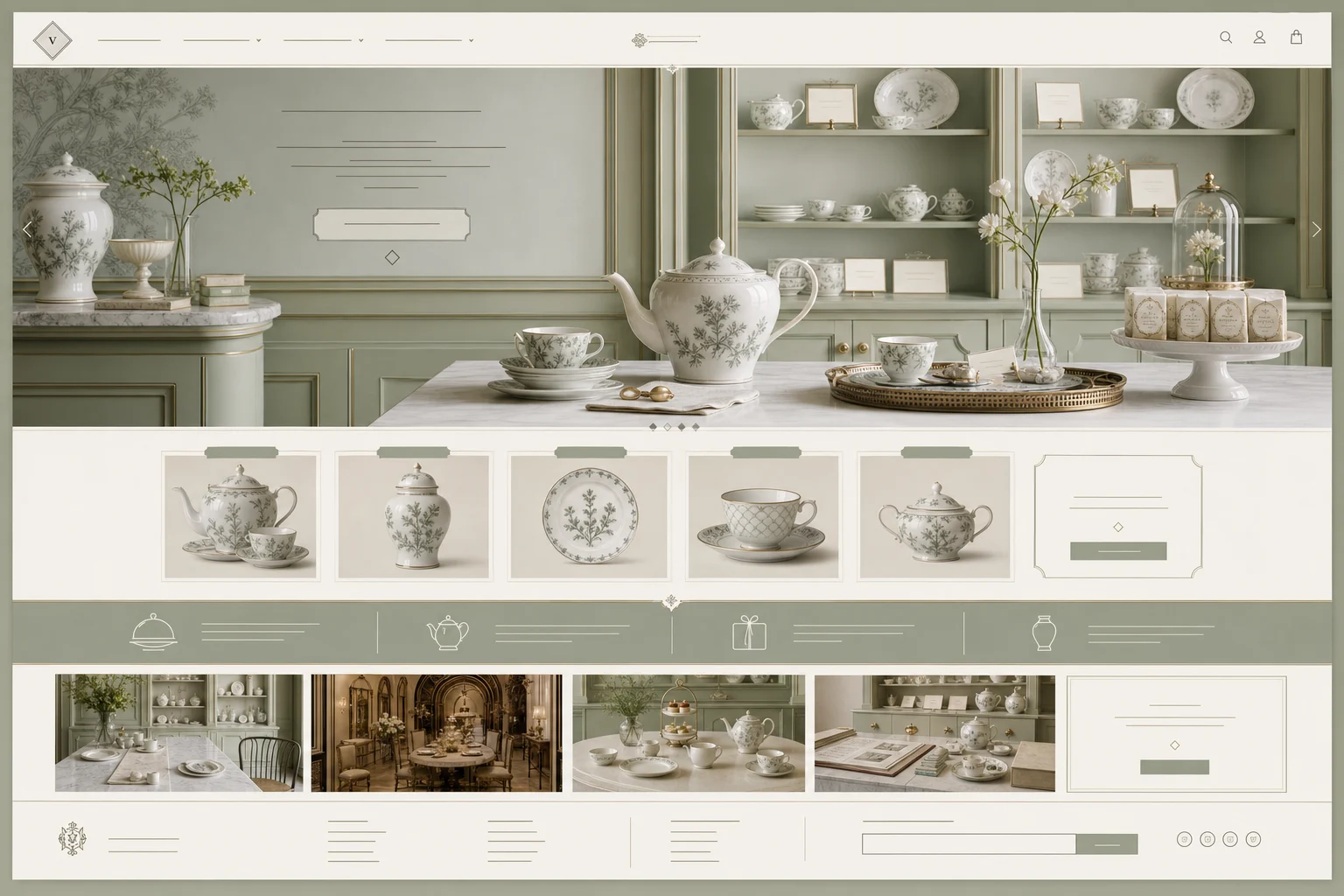
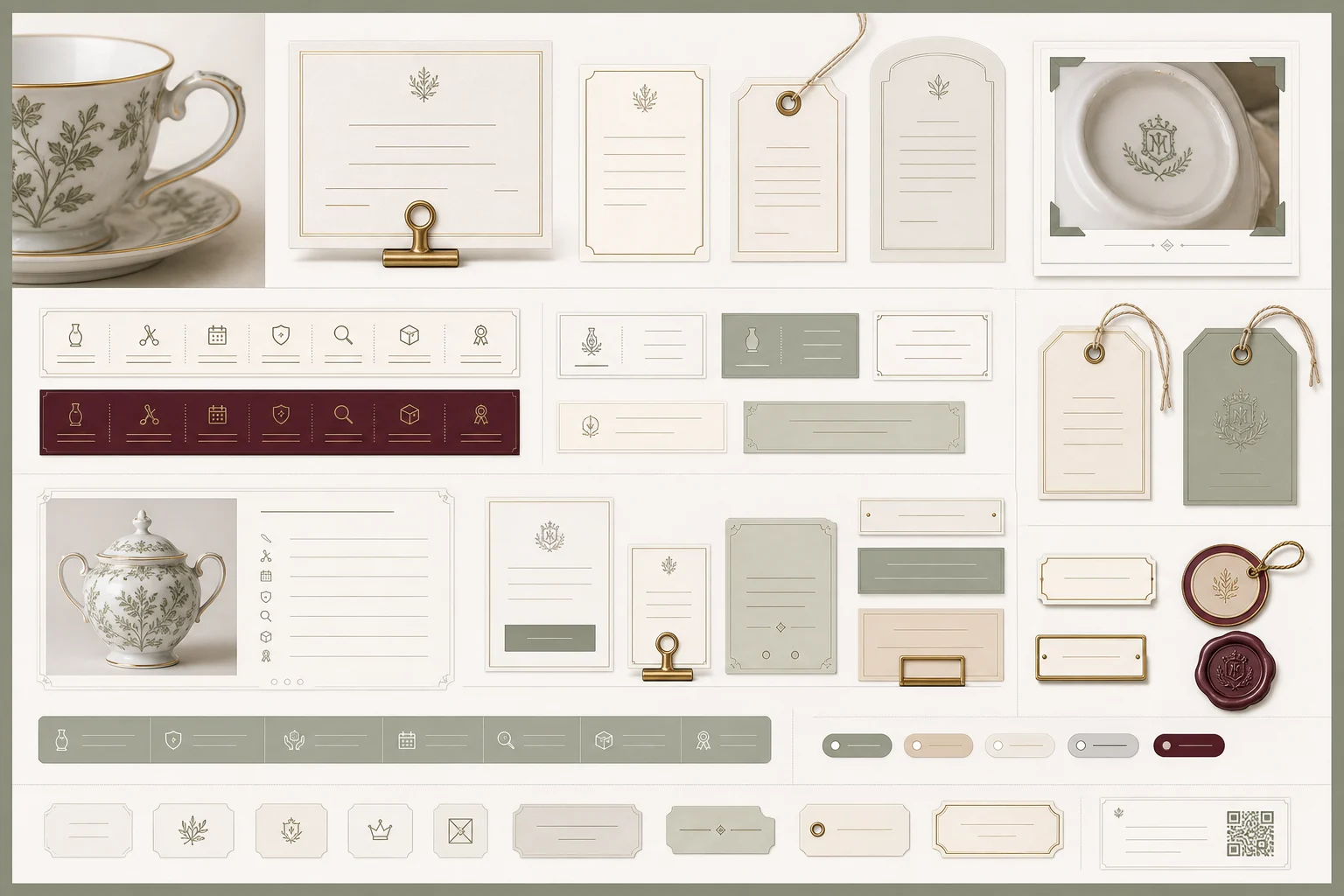
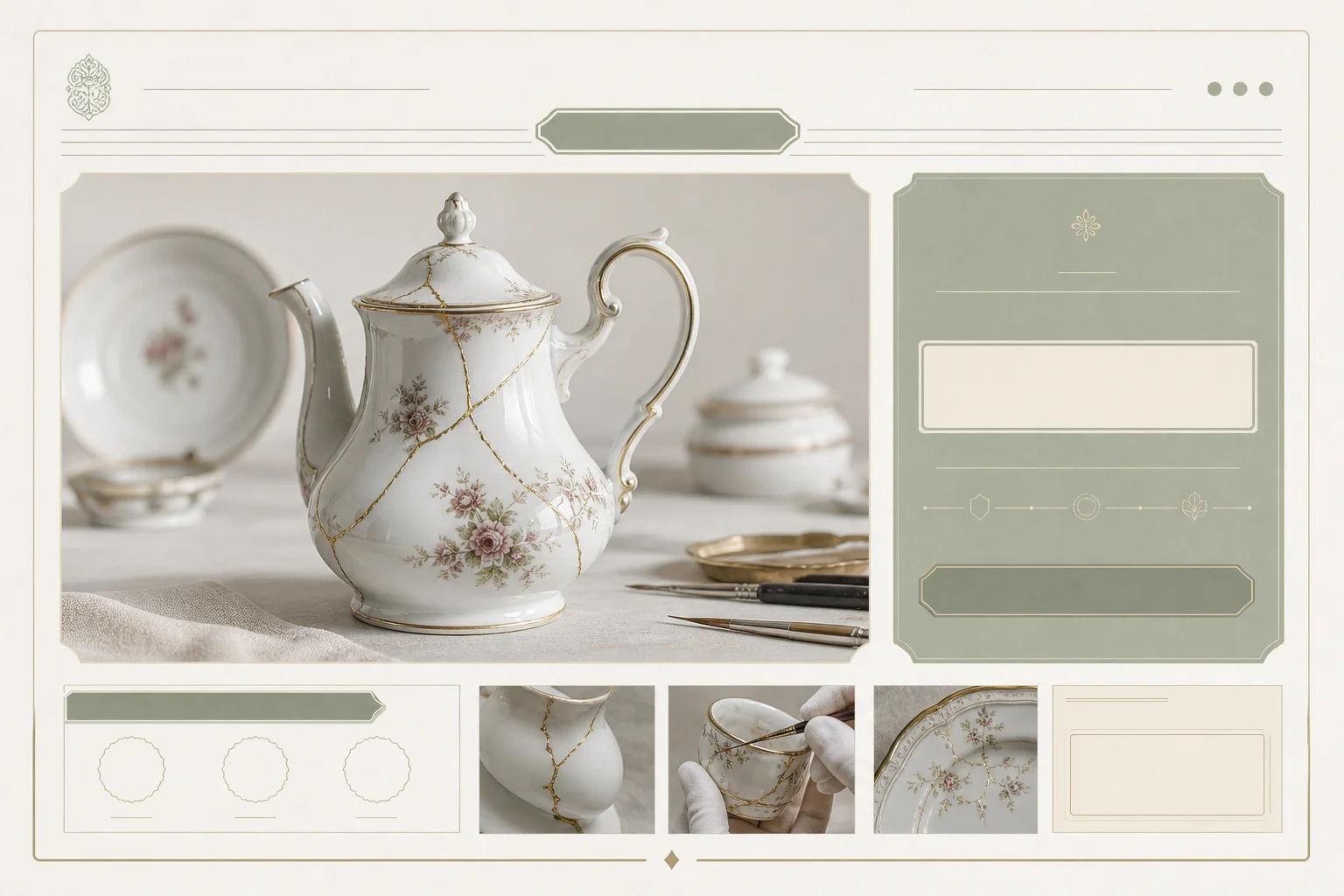
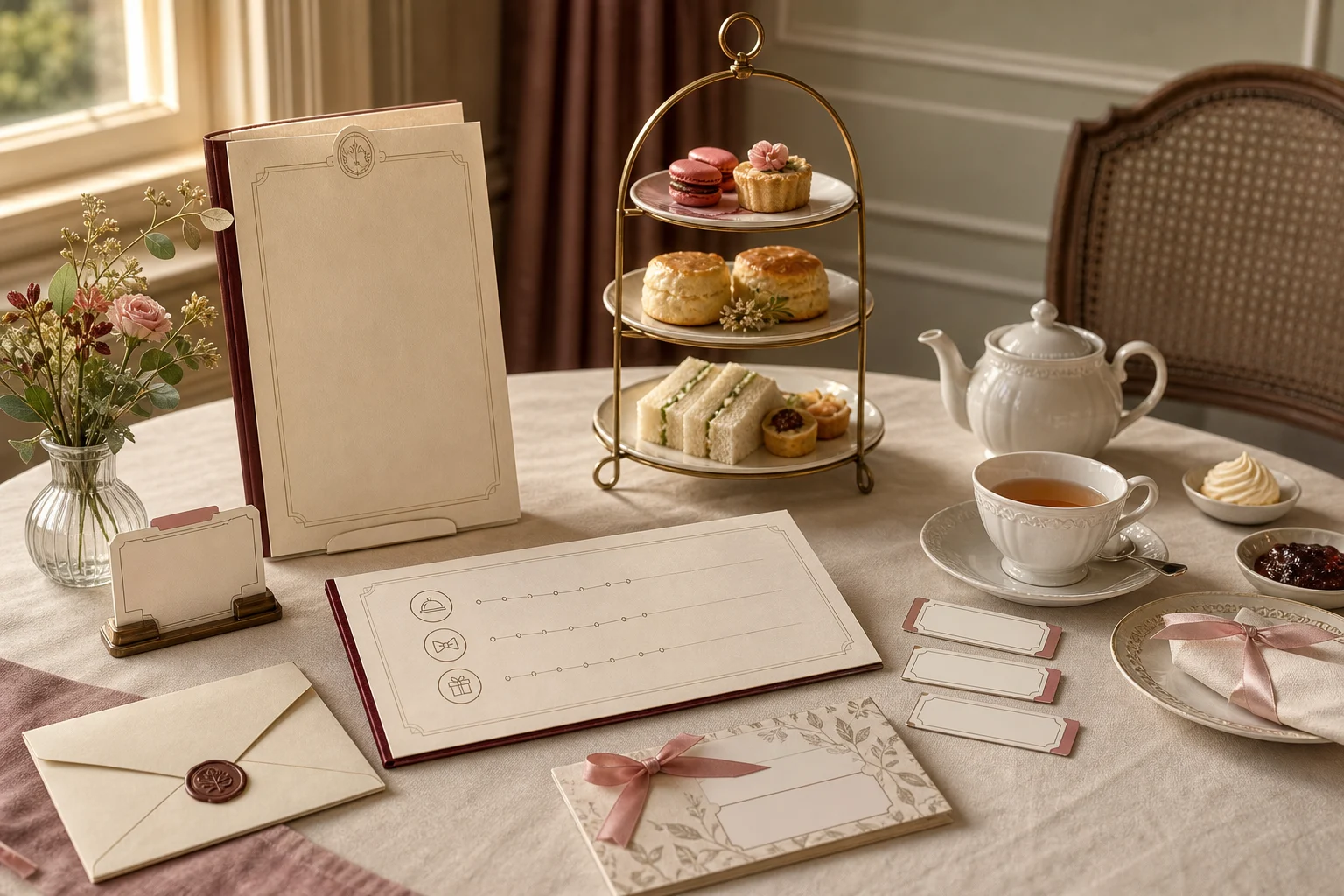
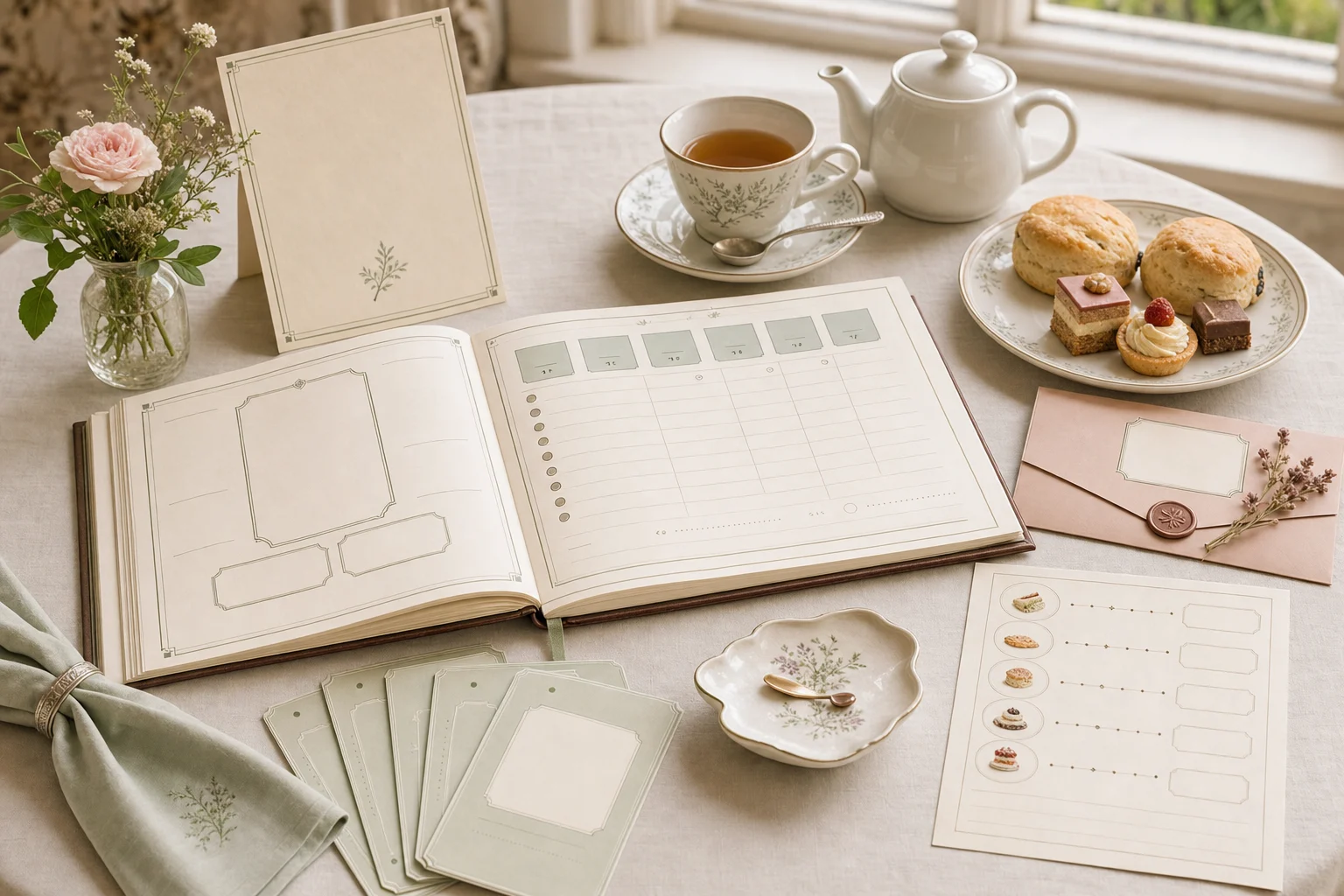
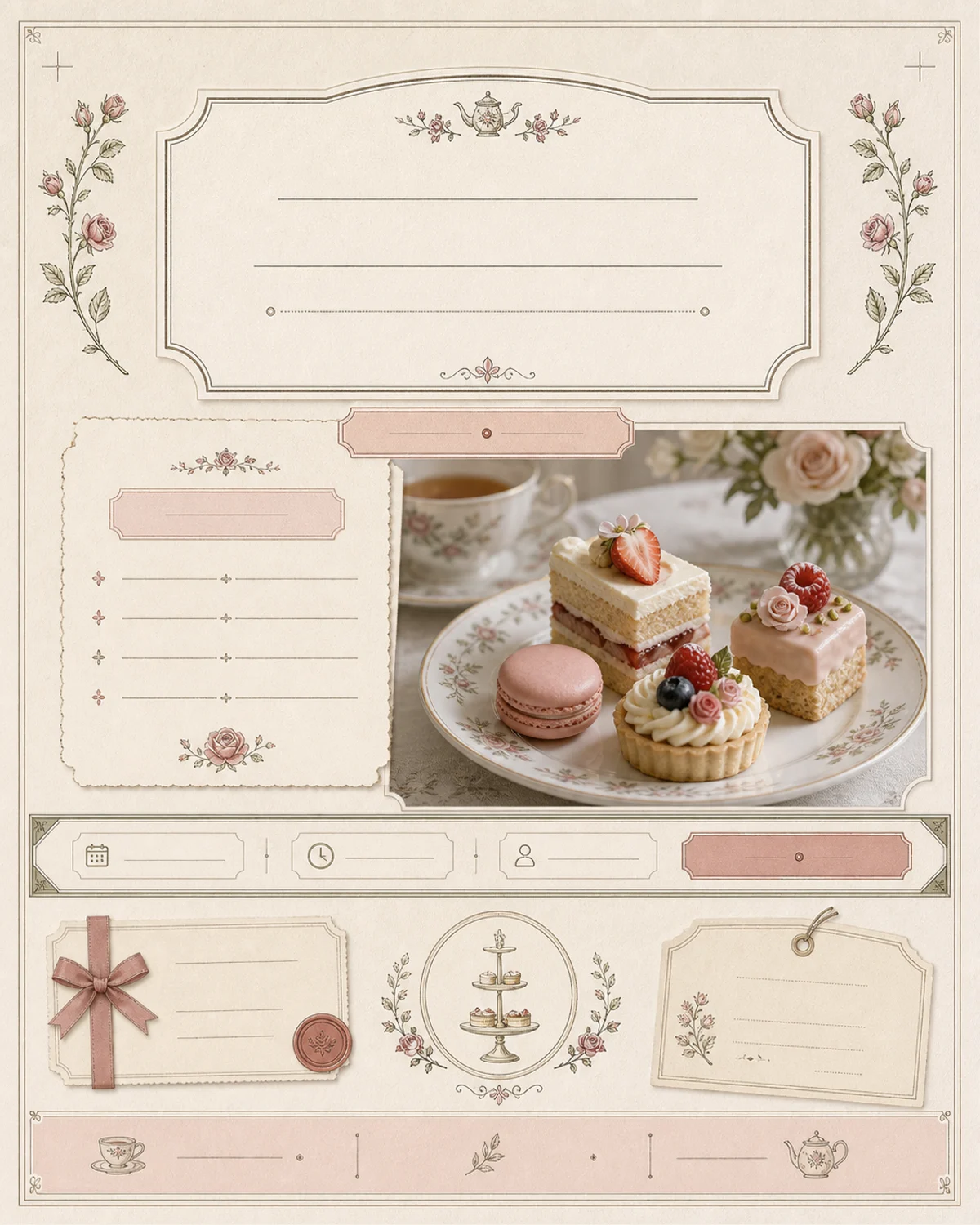
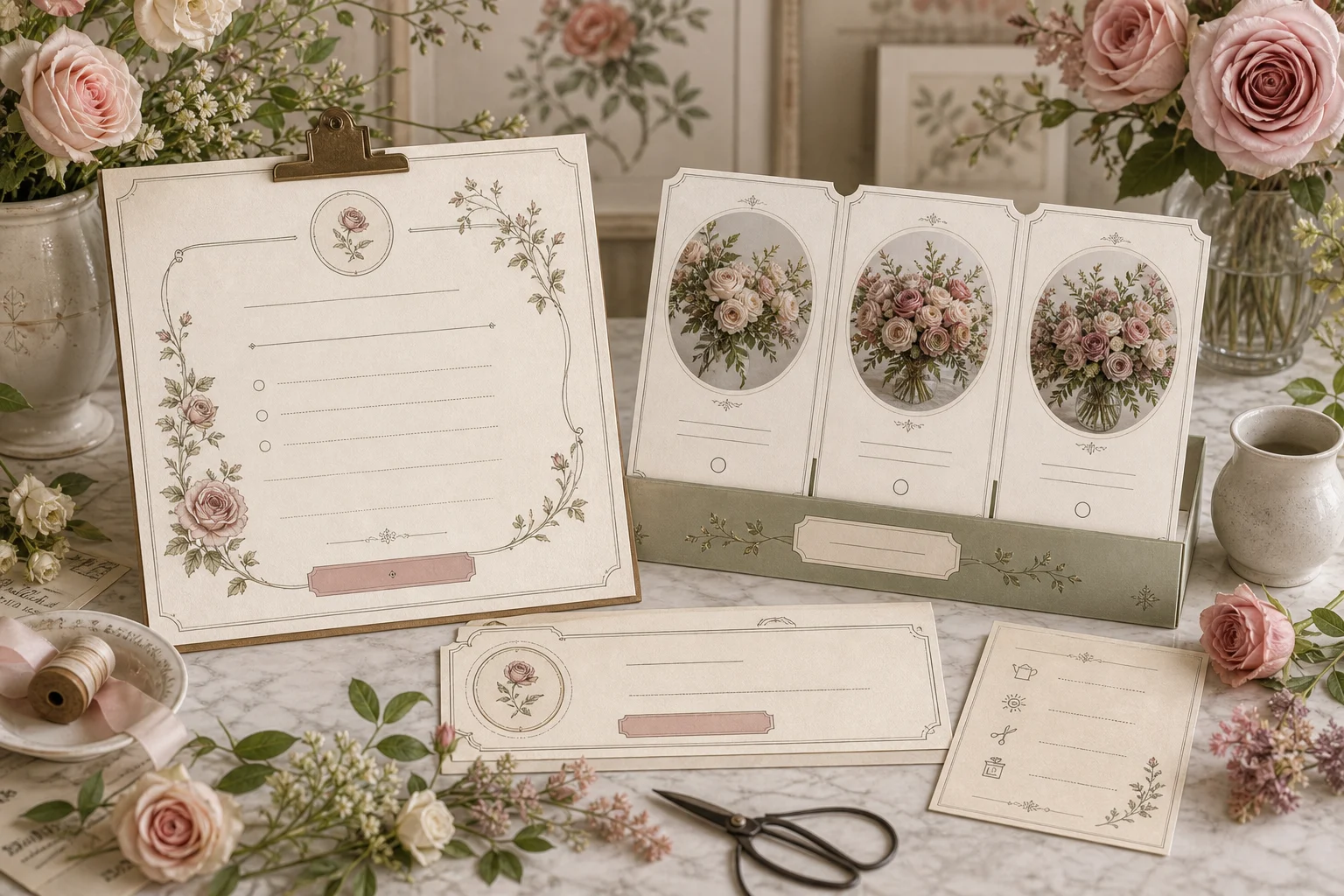
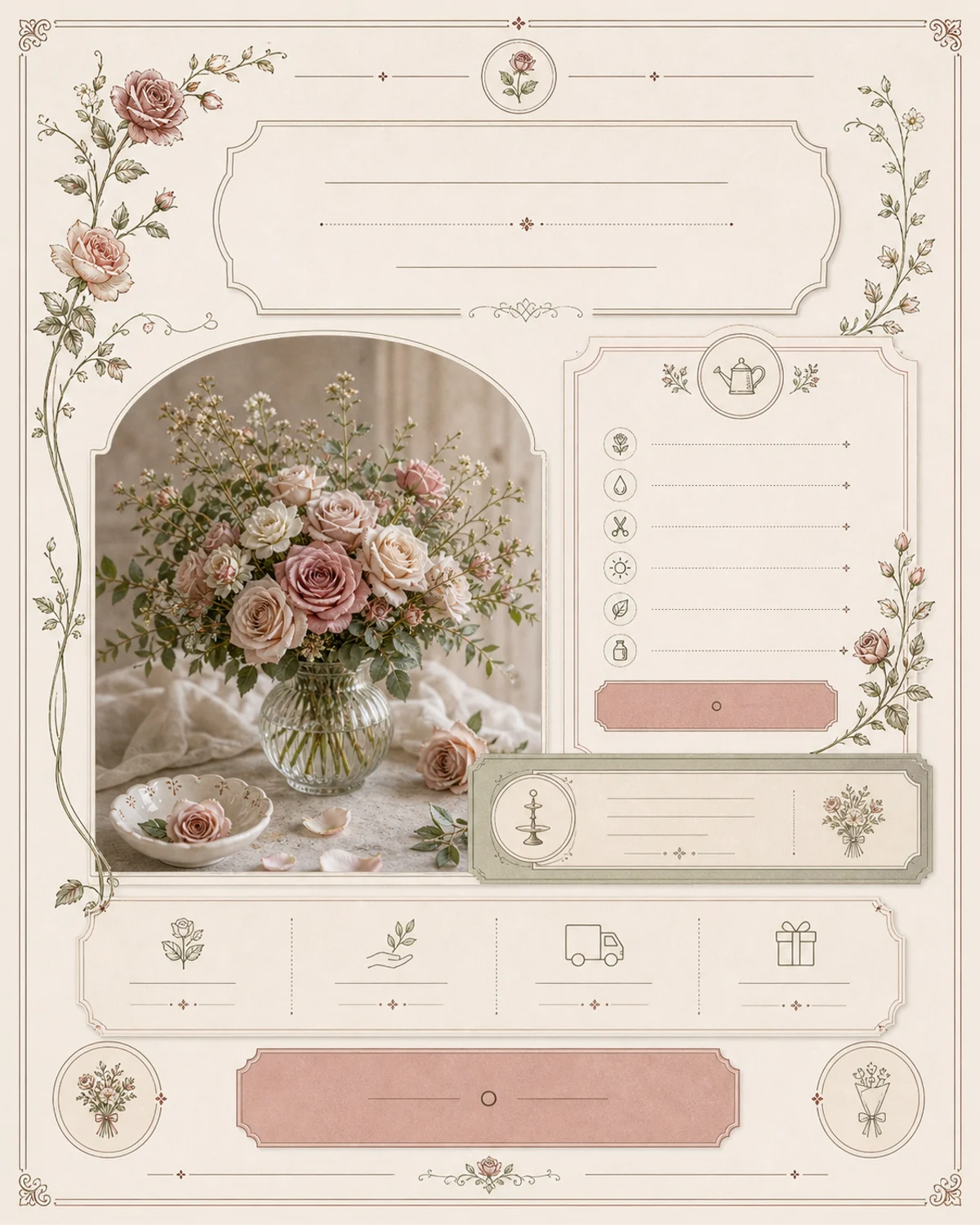
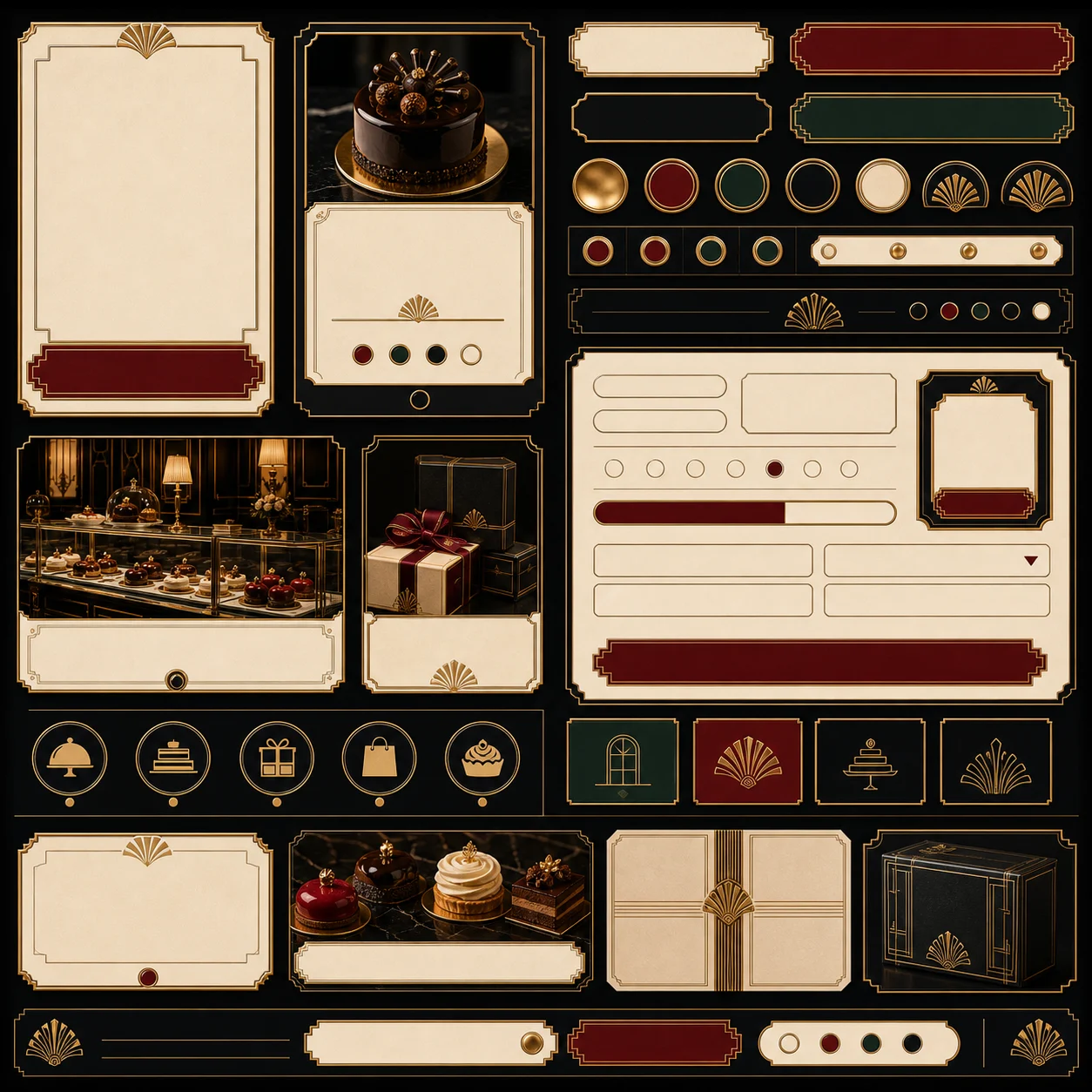
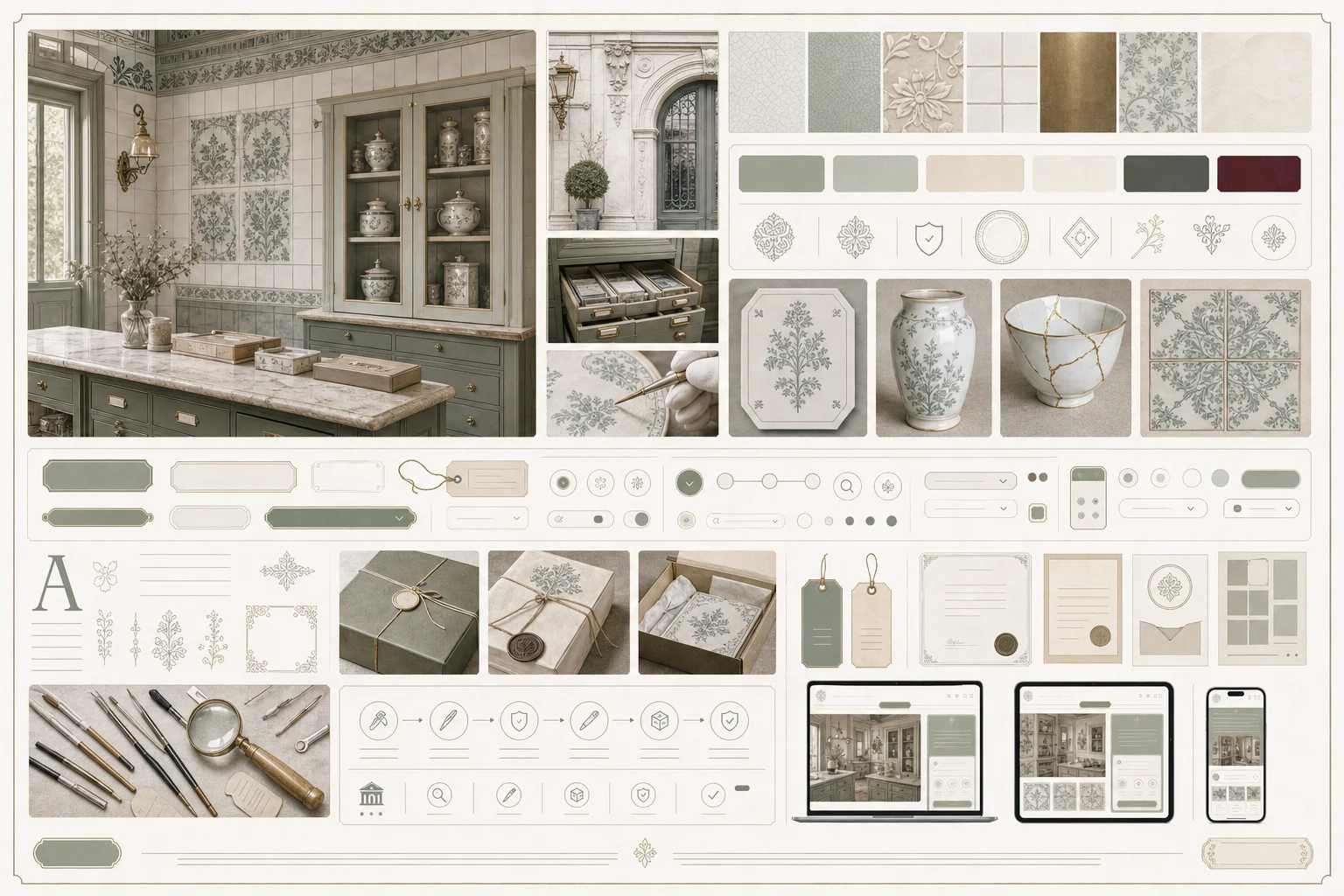
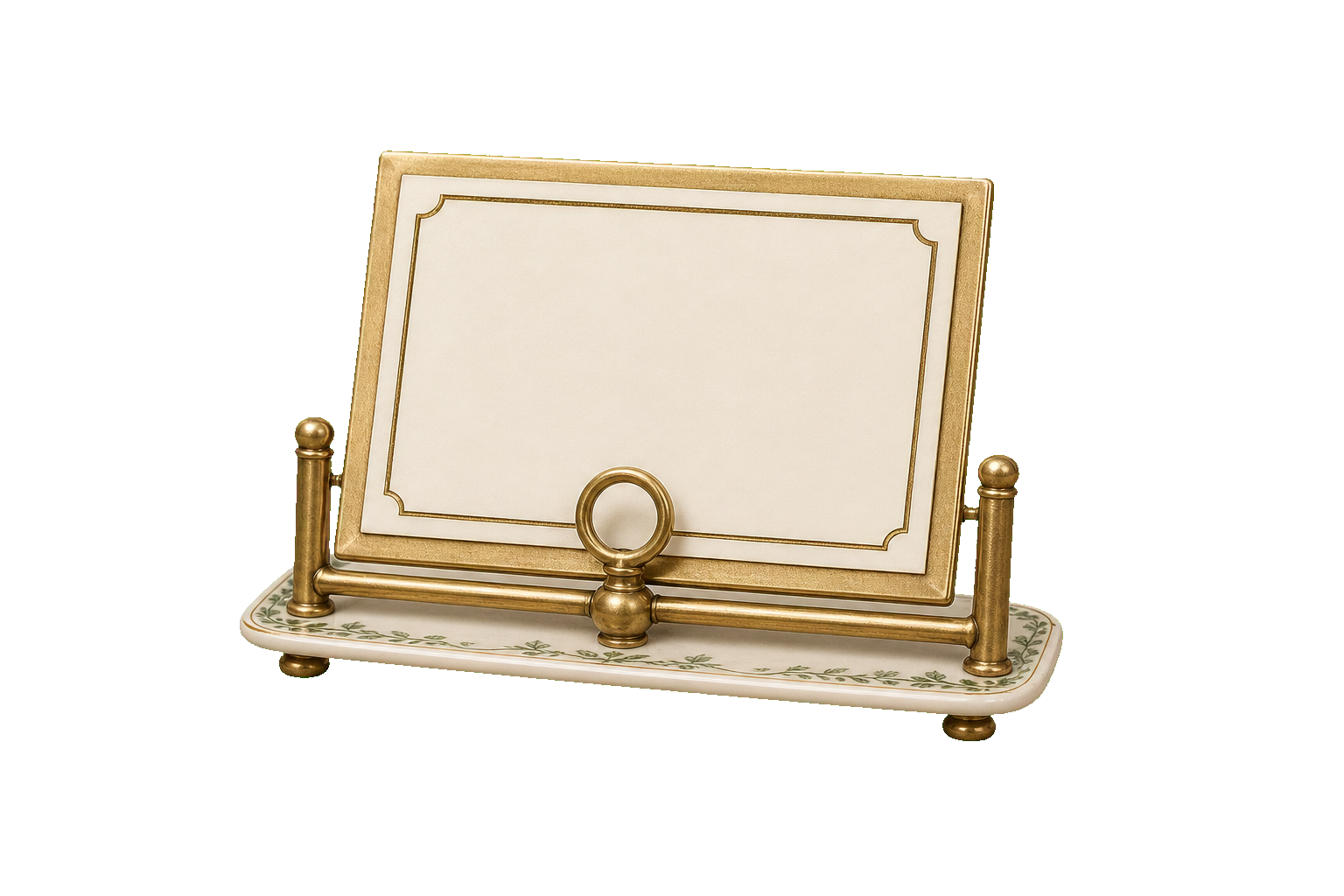
Sage and Porcelain Maison moodboard plate with ceramic interiors, provenance labels, packaging, and service UI
c. 1740porcelain ritual
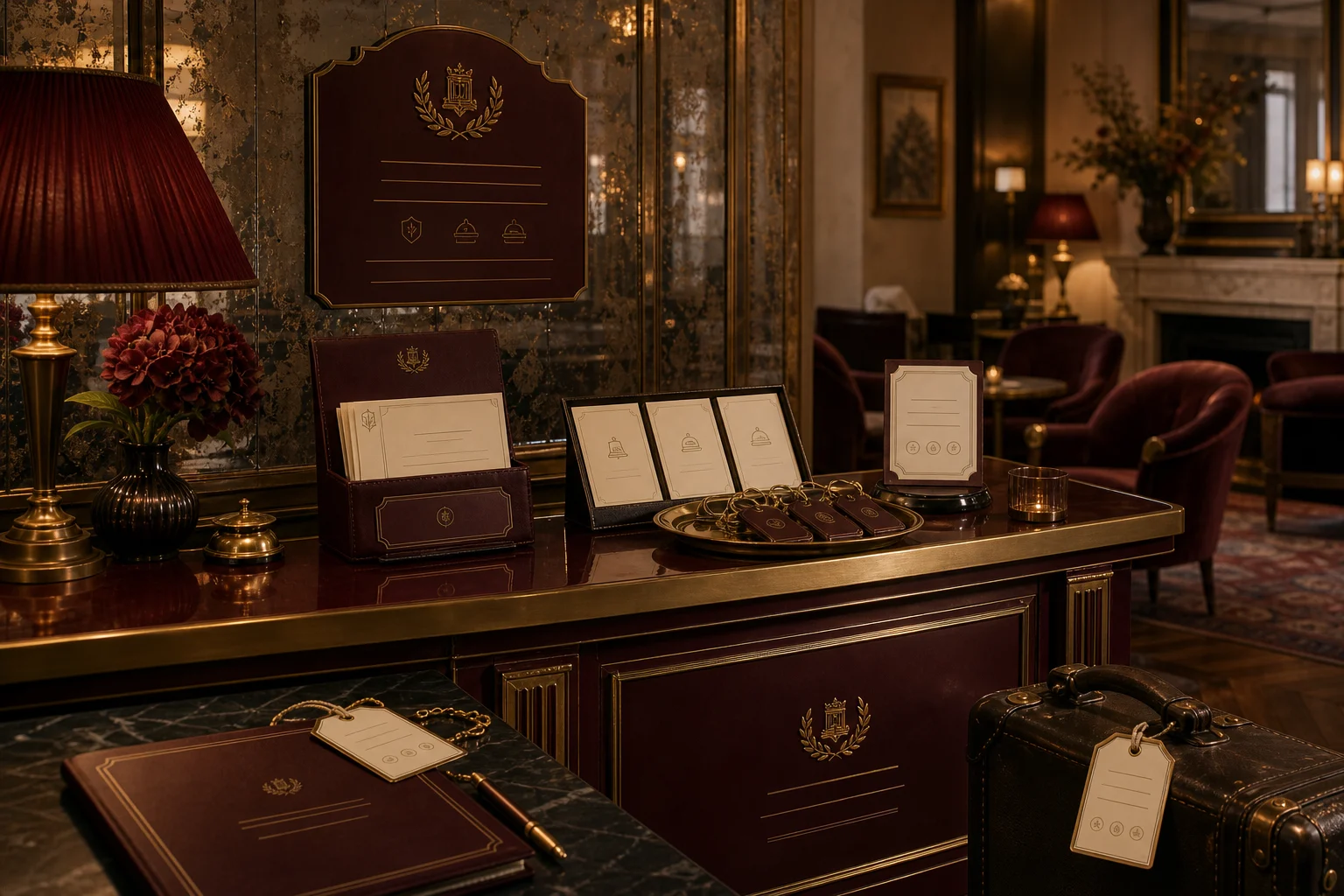
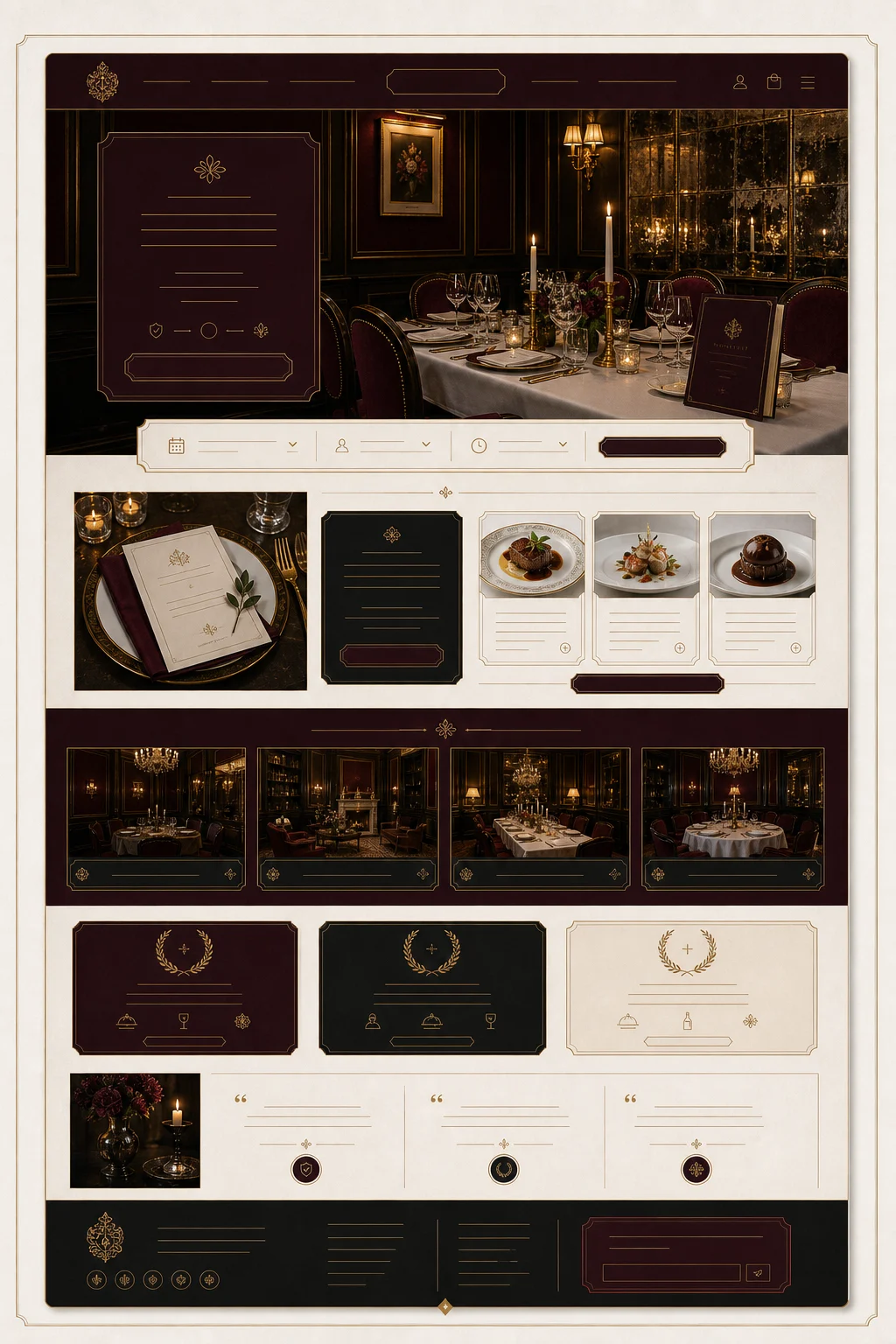
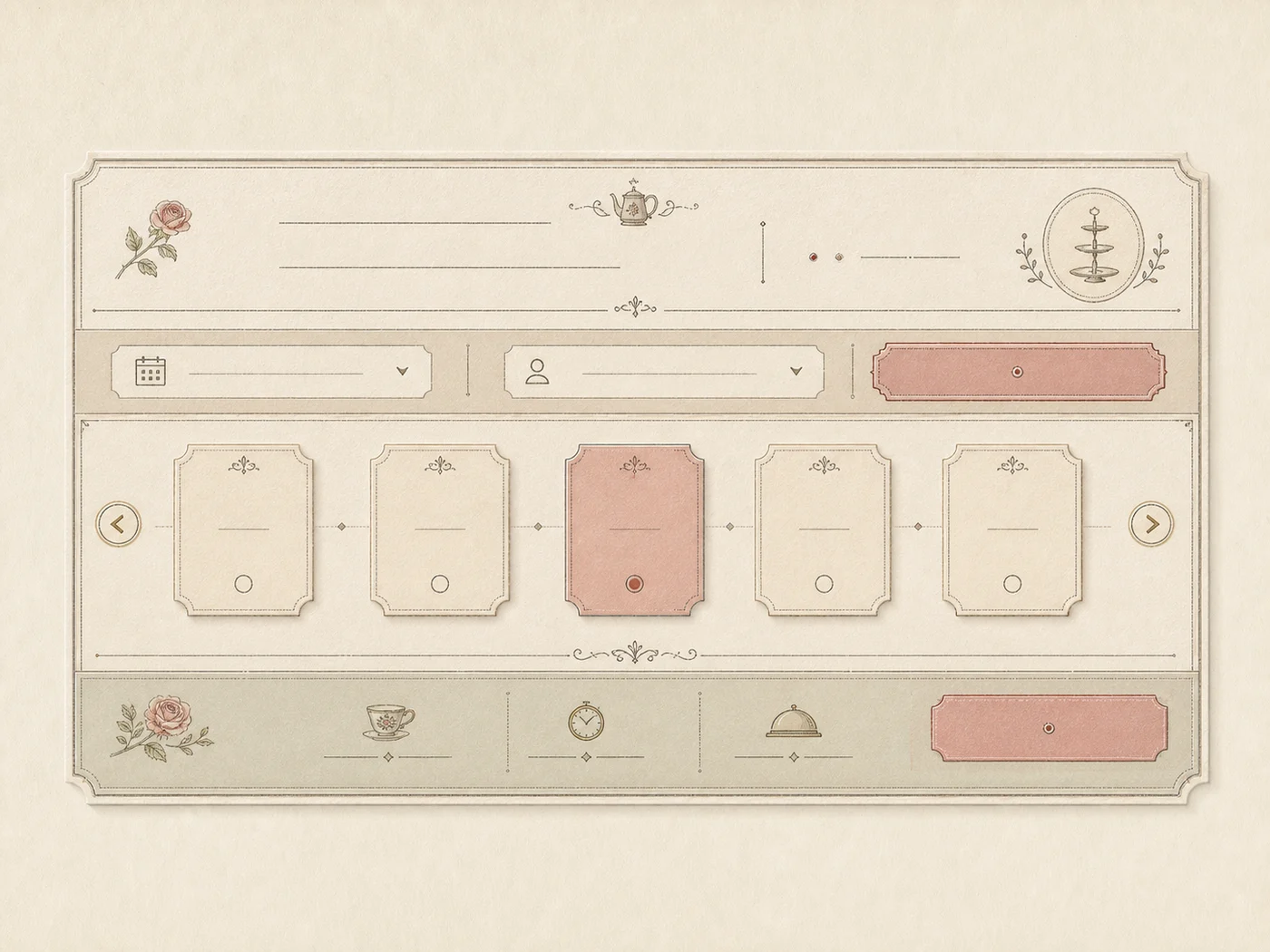
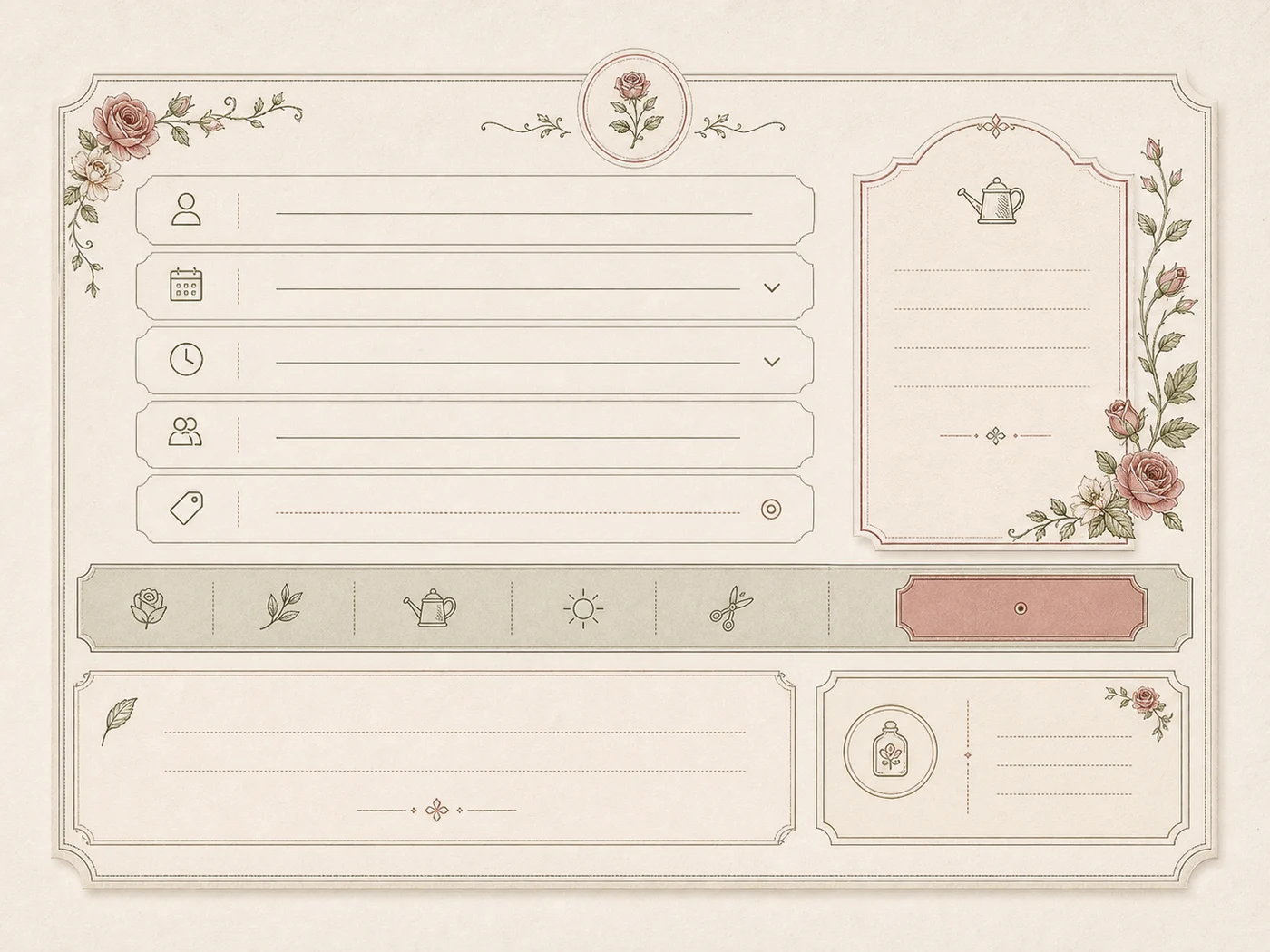
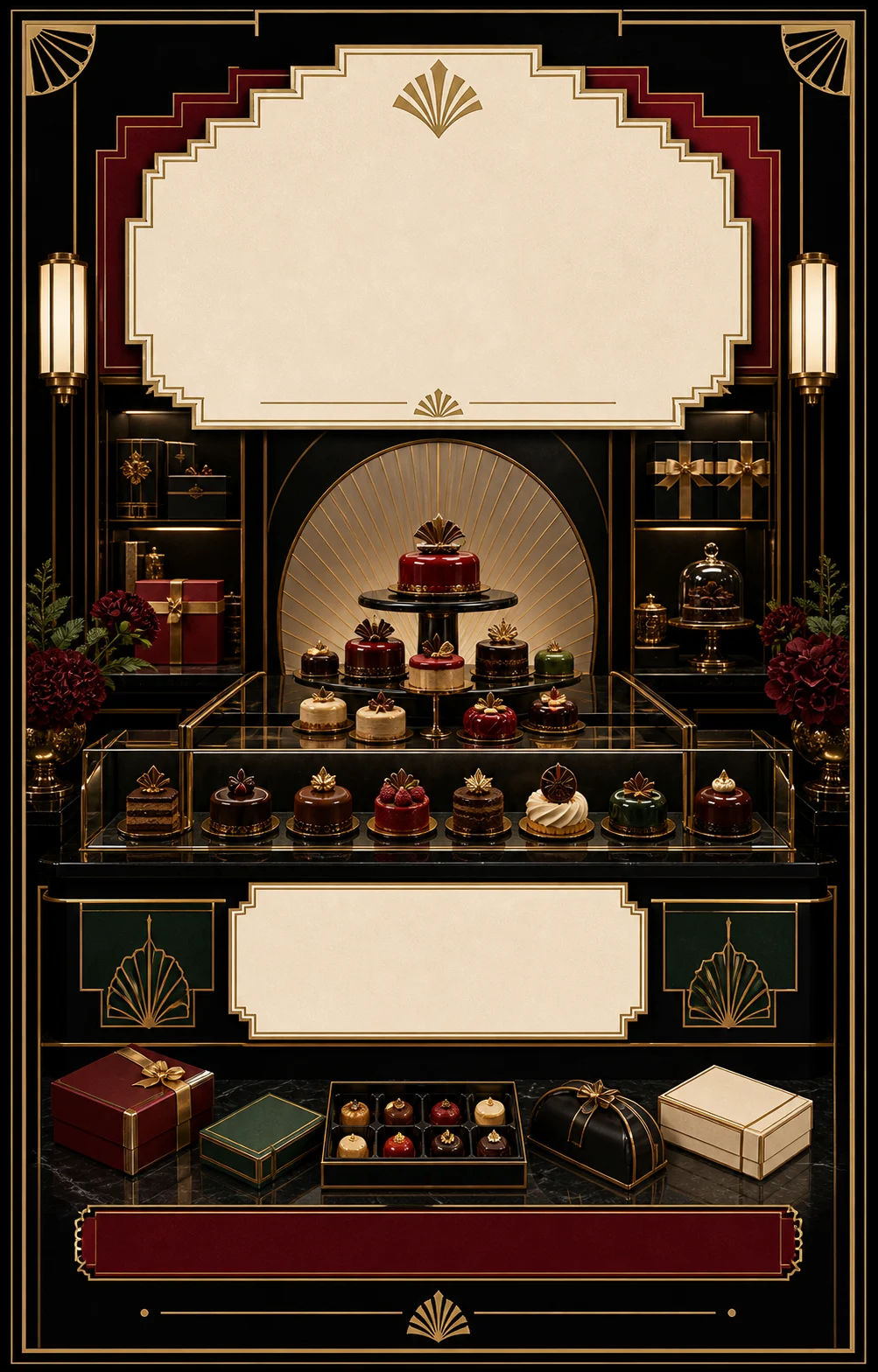
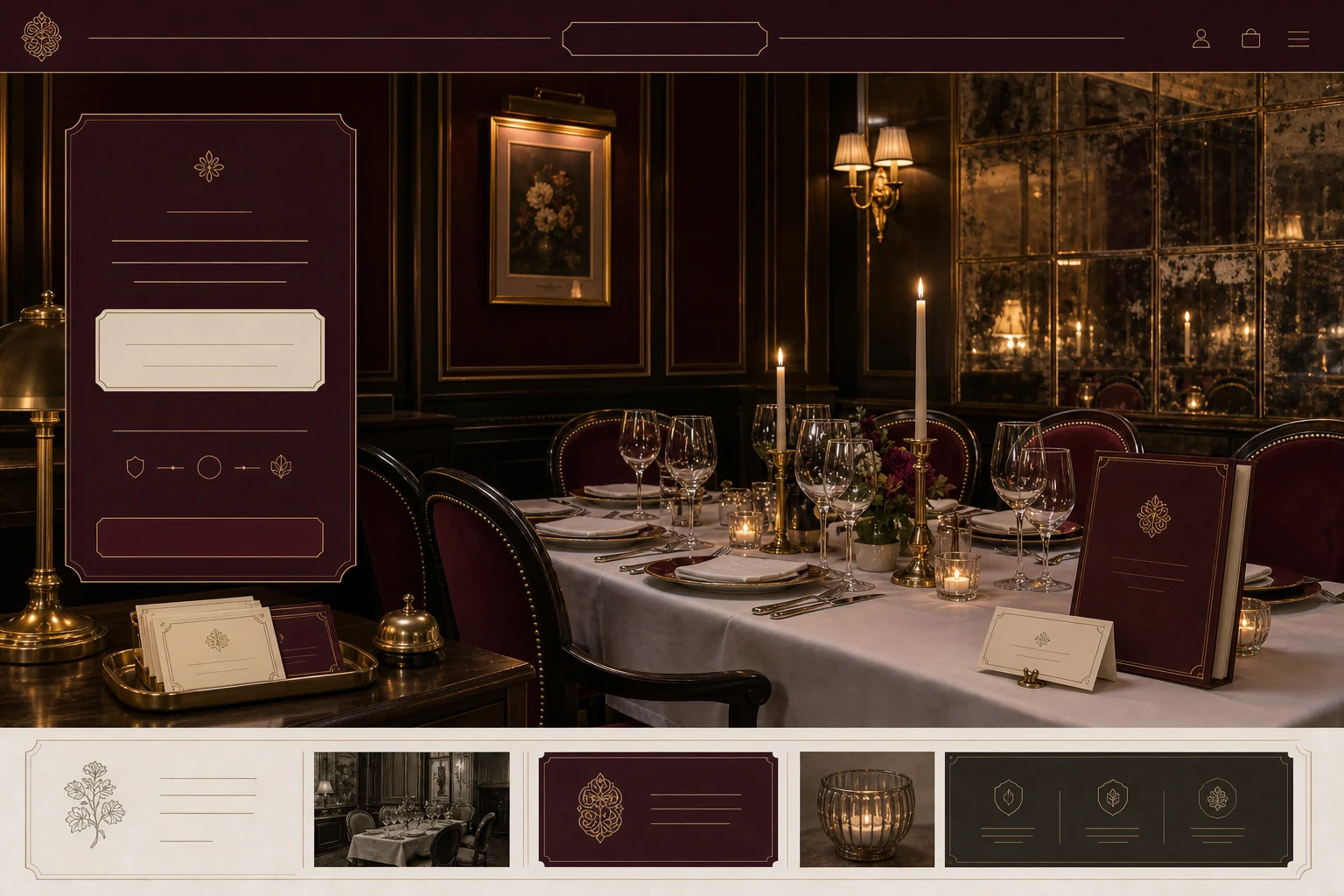
Burgundy Gilded Salon private dining and reservation business scene
1772formal arrival
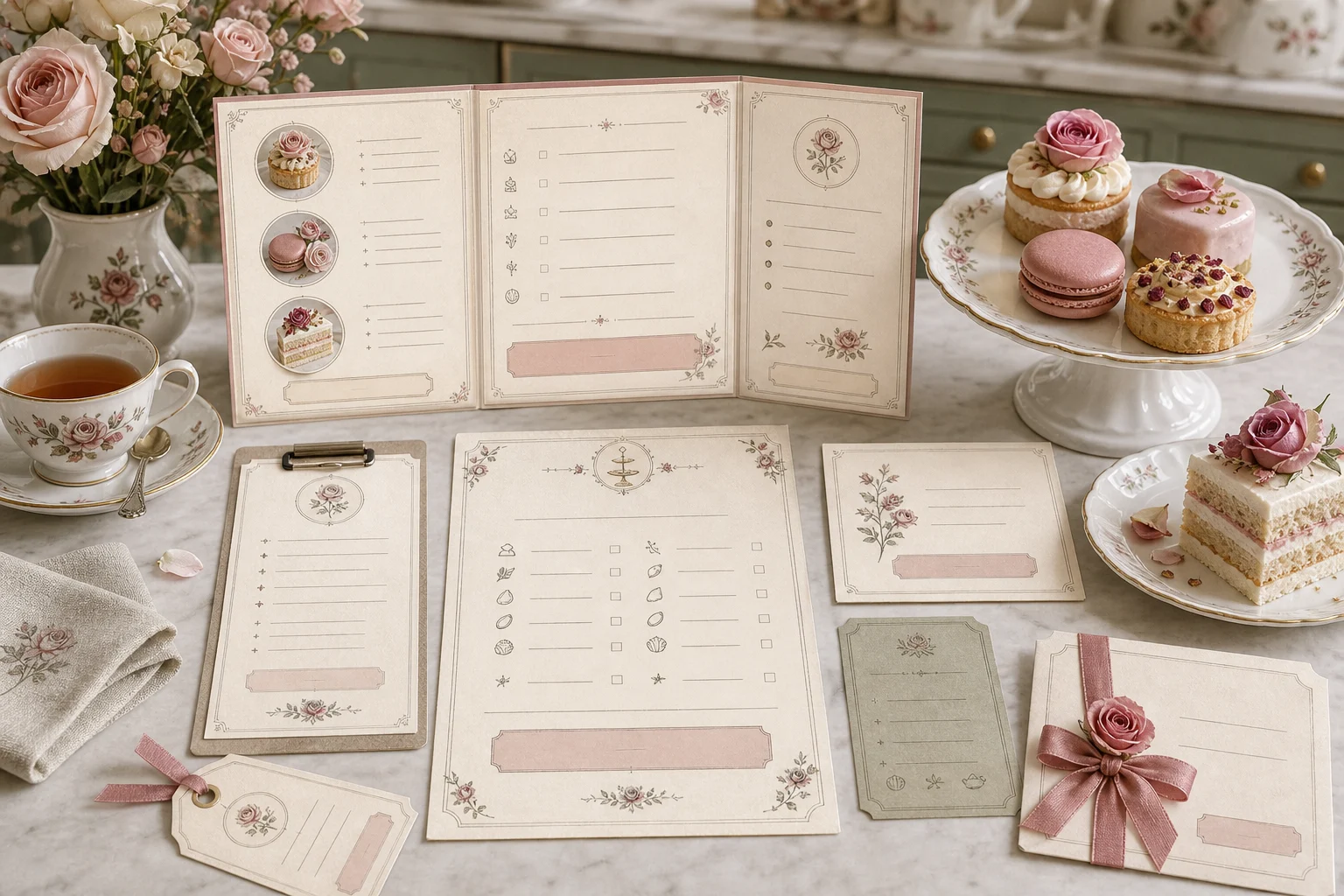
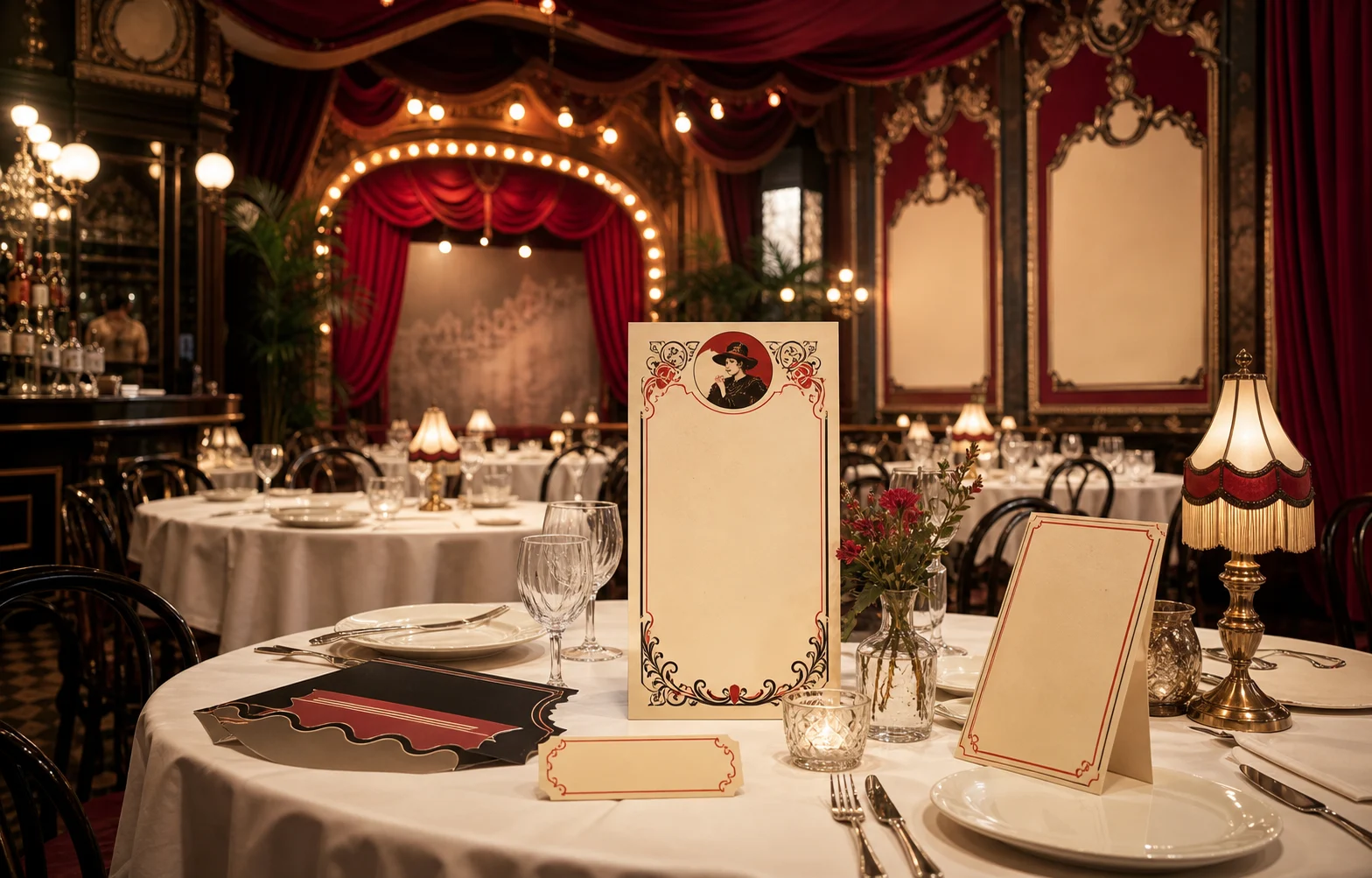
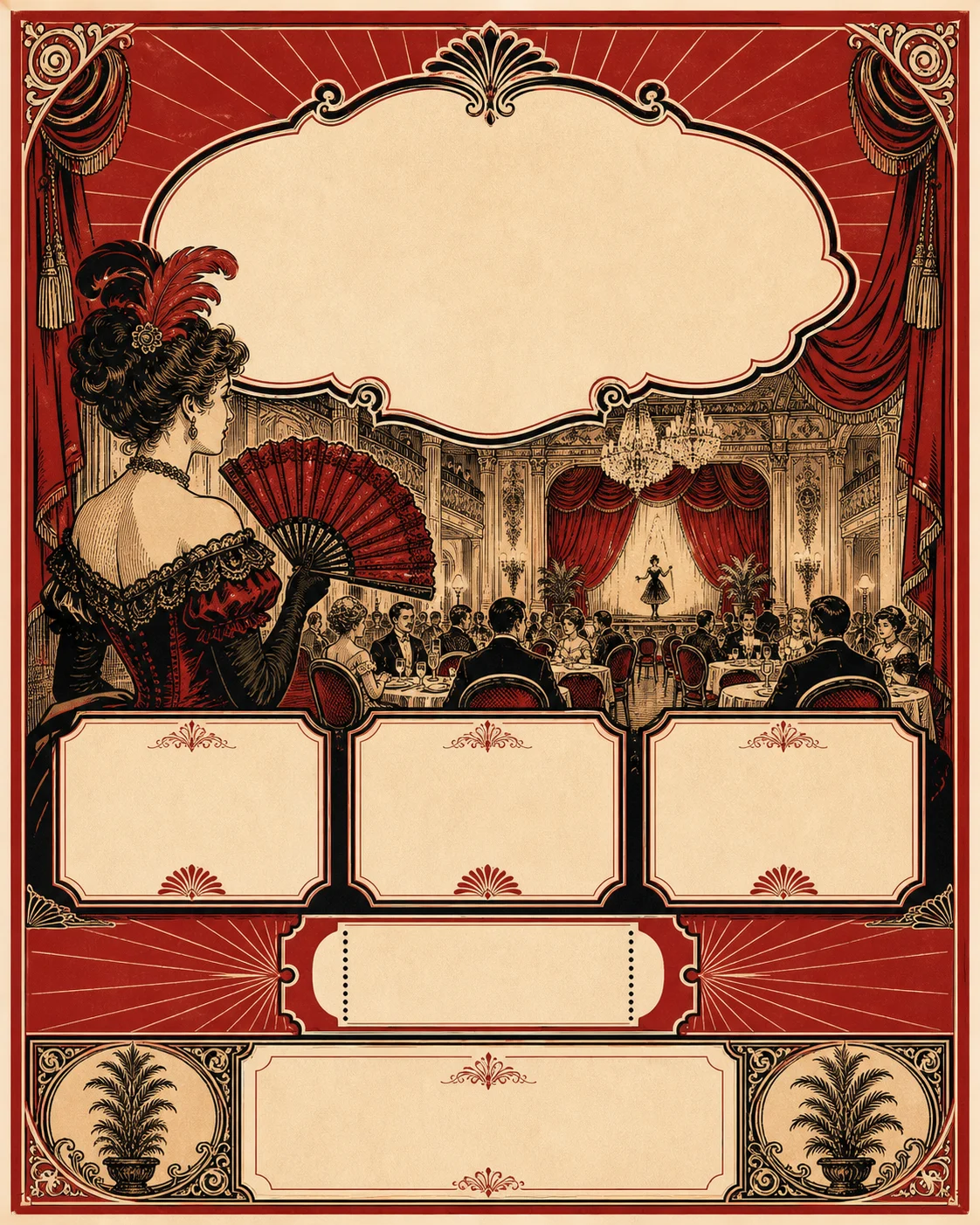
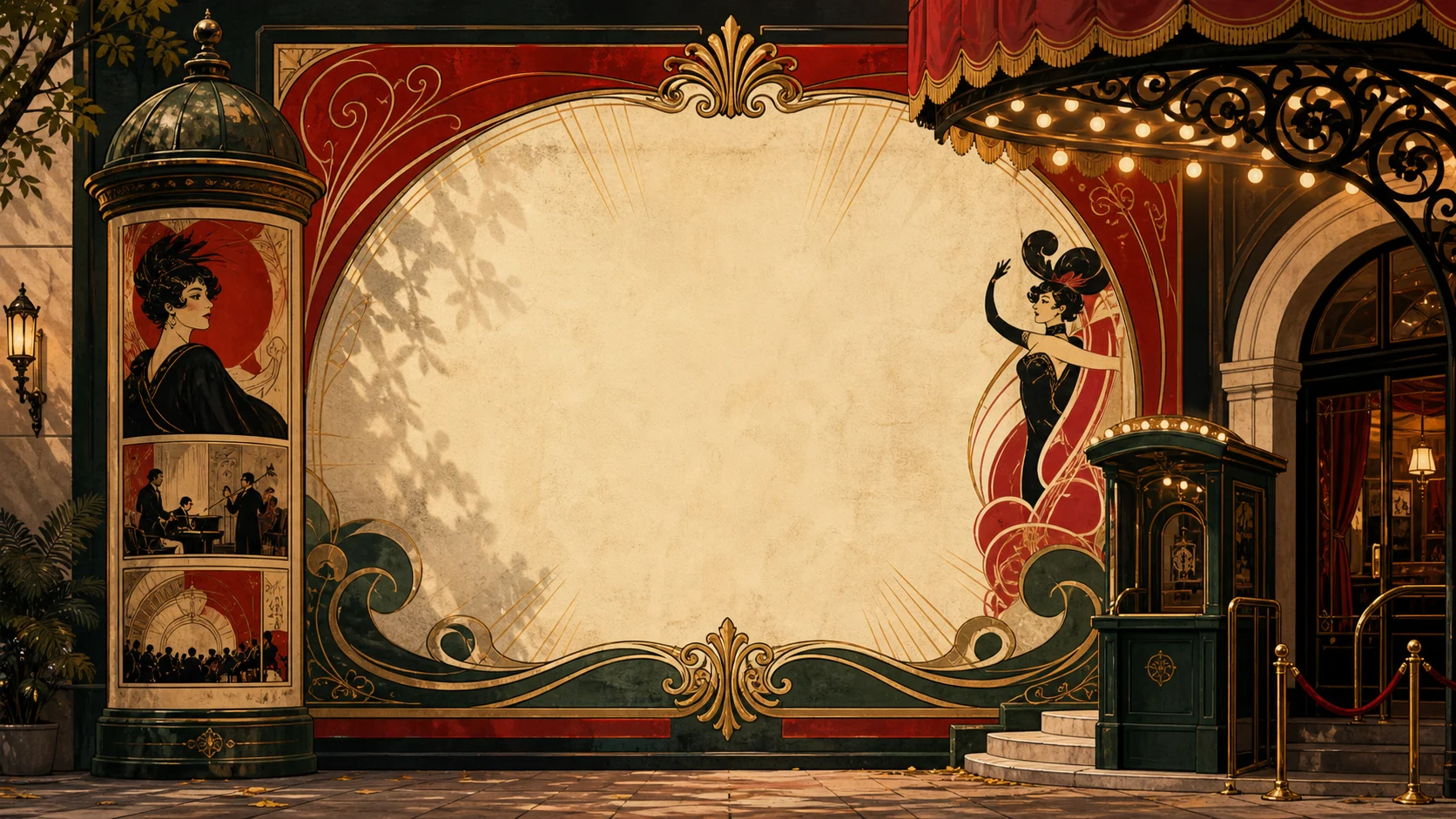
Salon poster theatre surface used as Belle Epoque menu card preview
1895public appetite
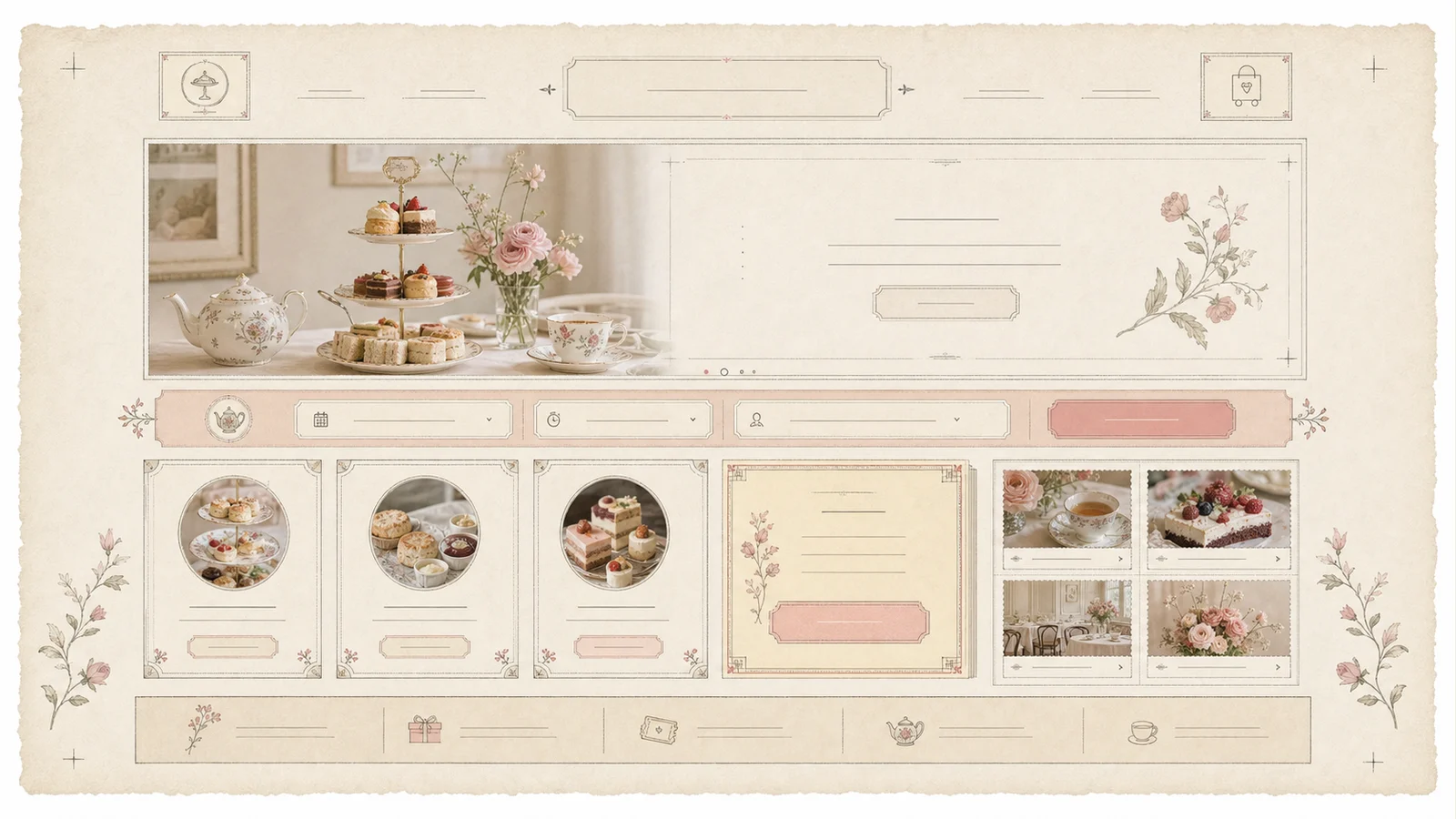
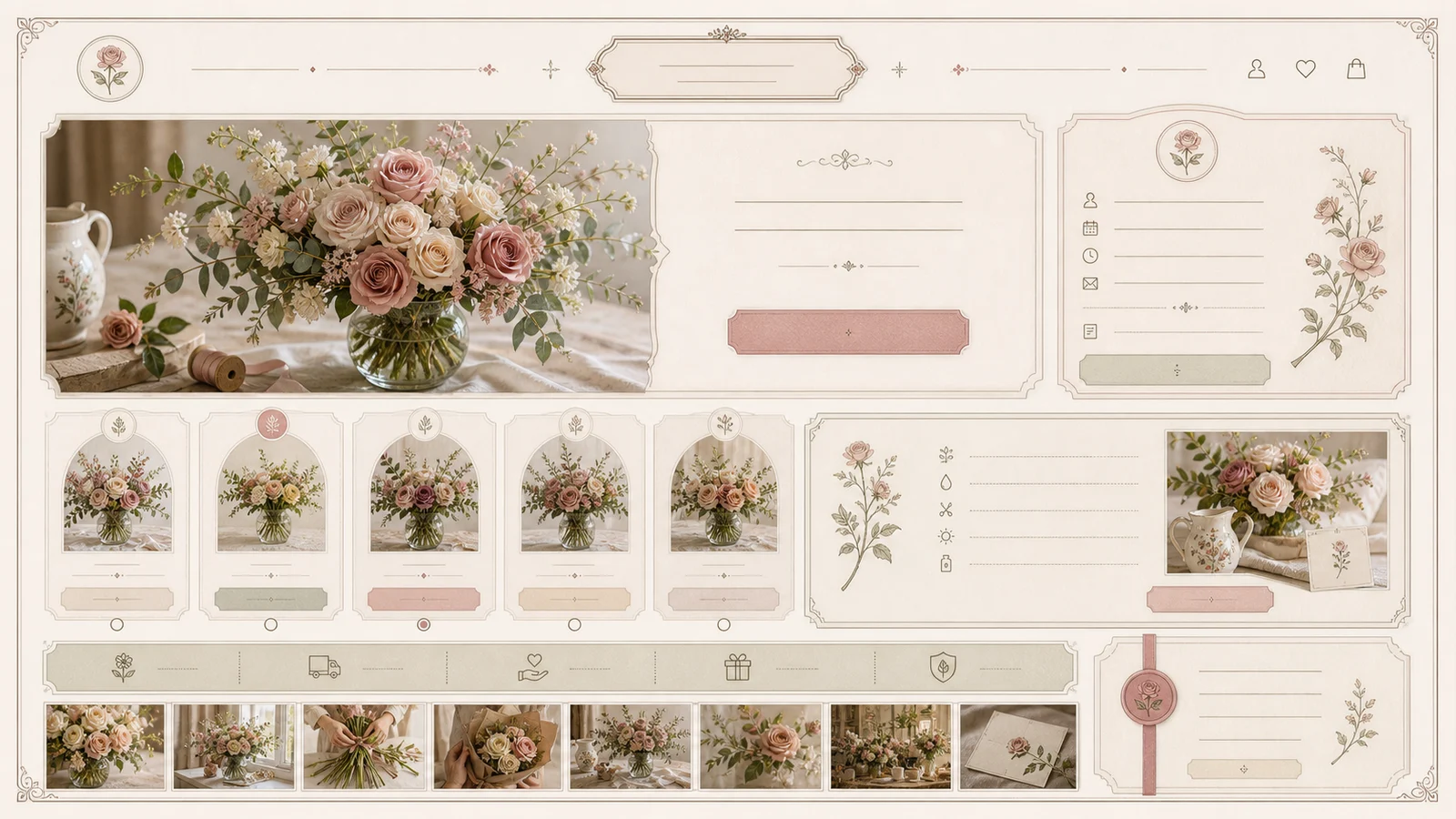
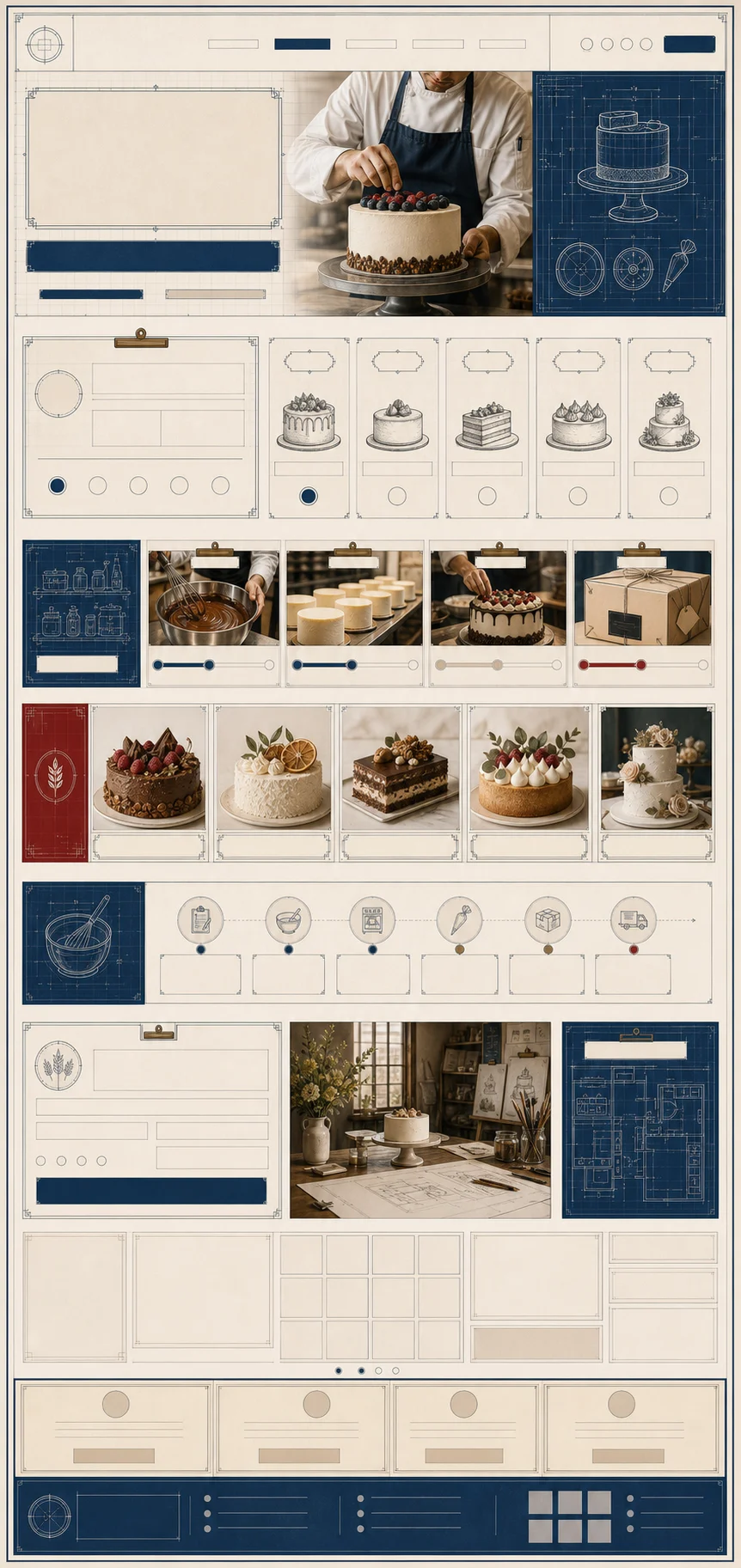
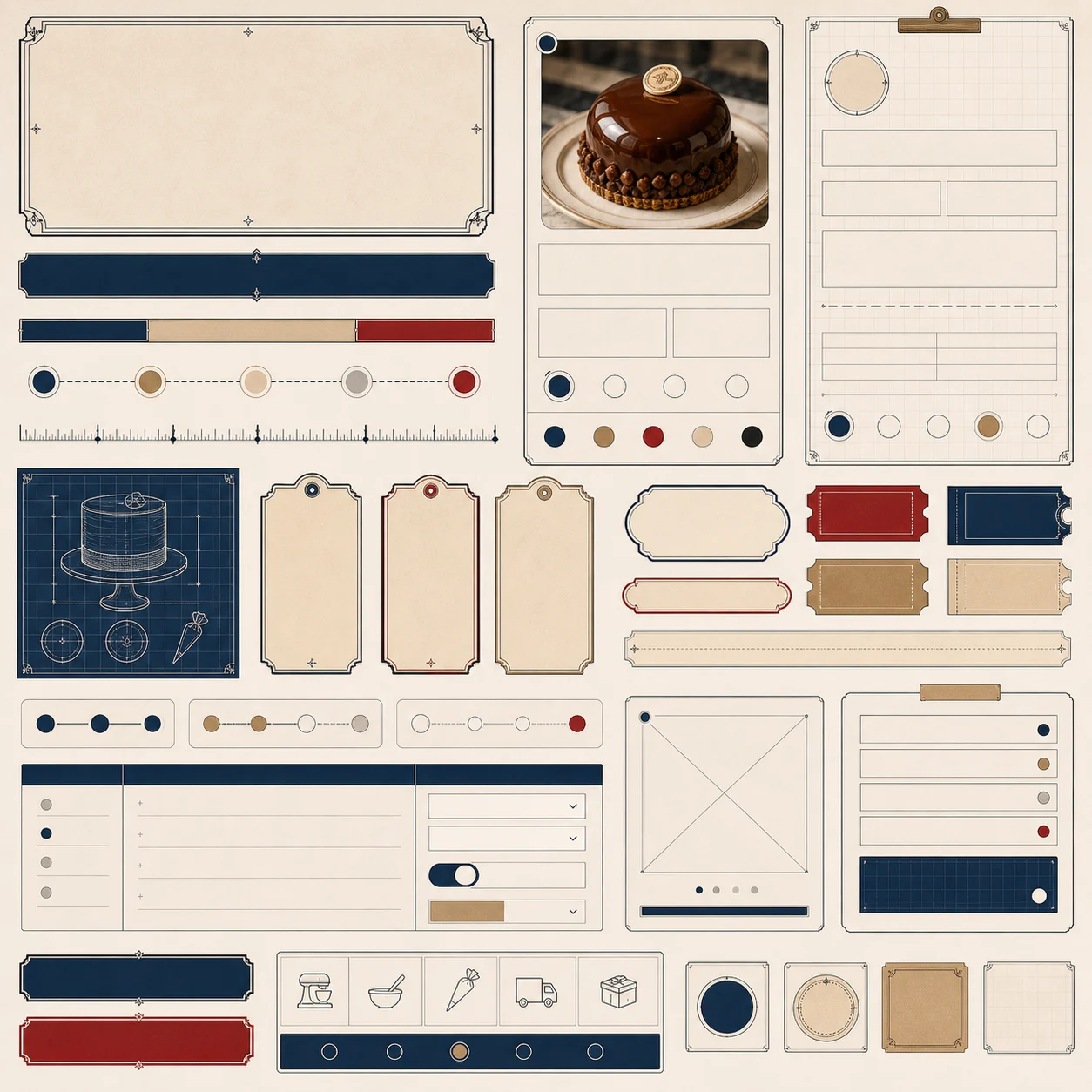
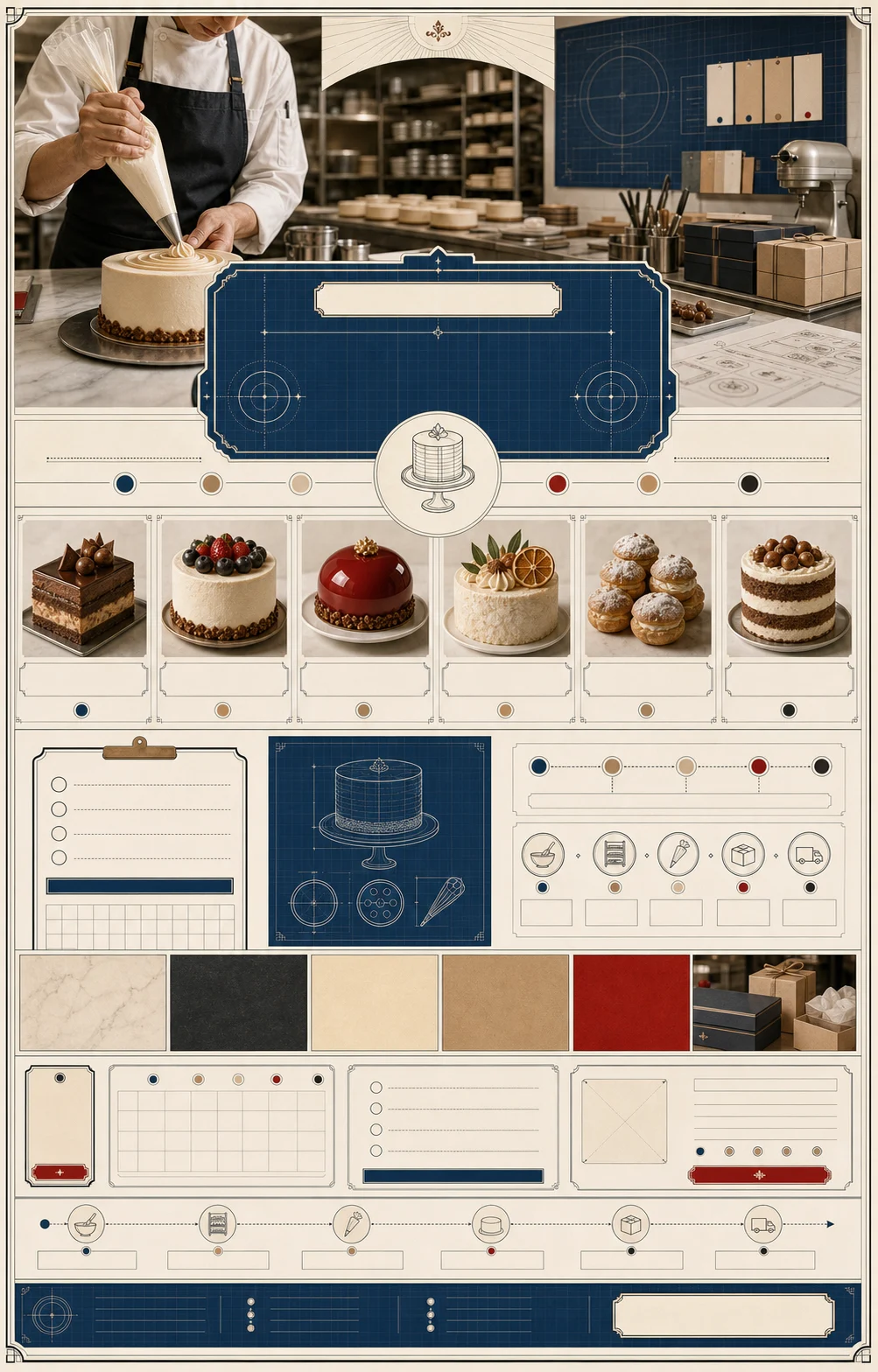
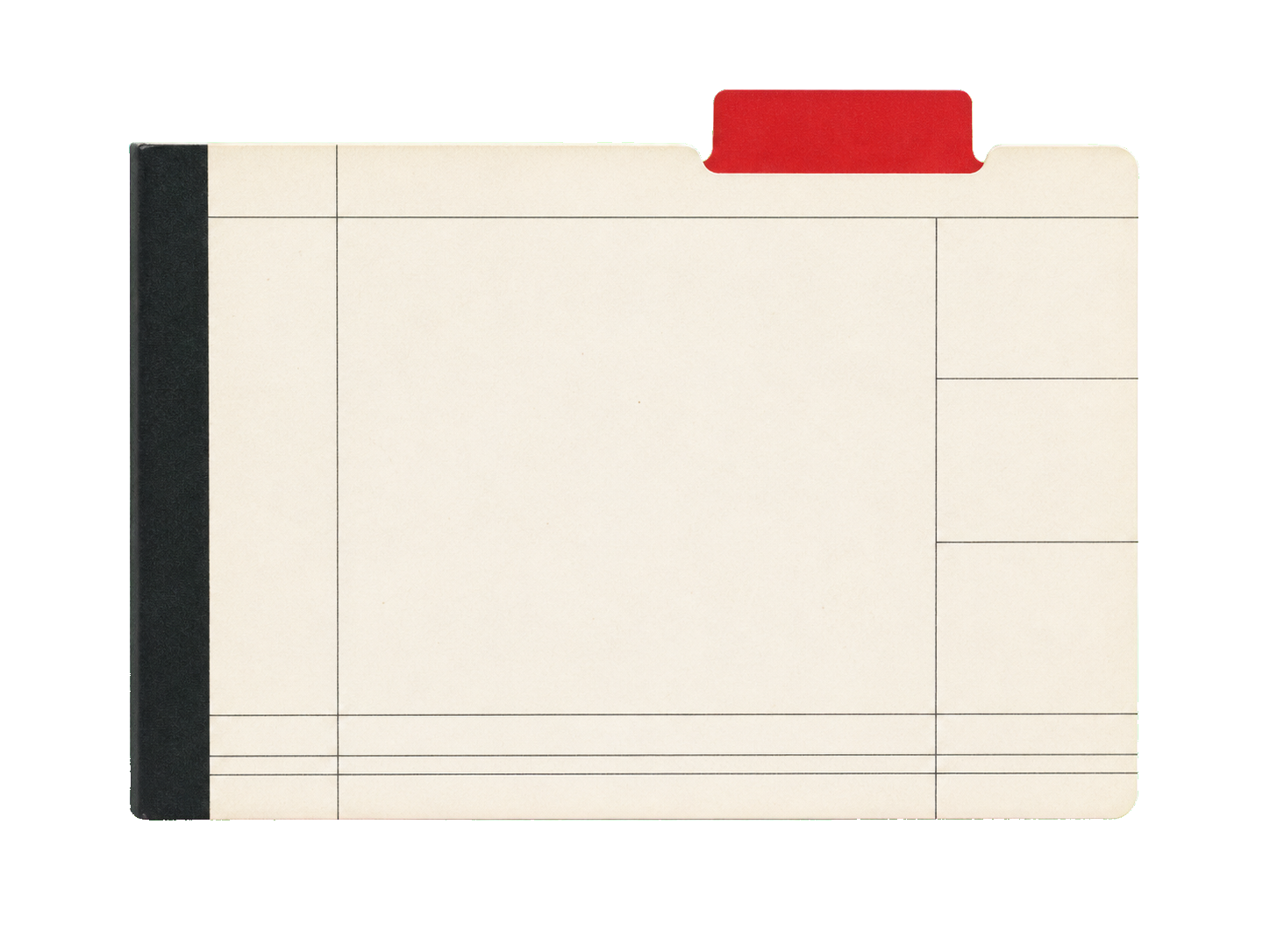
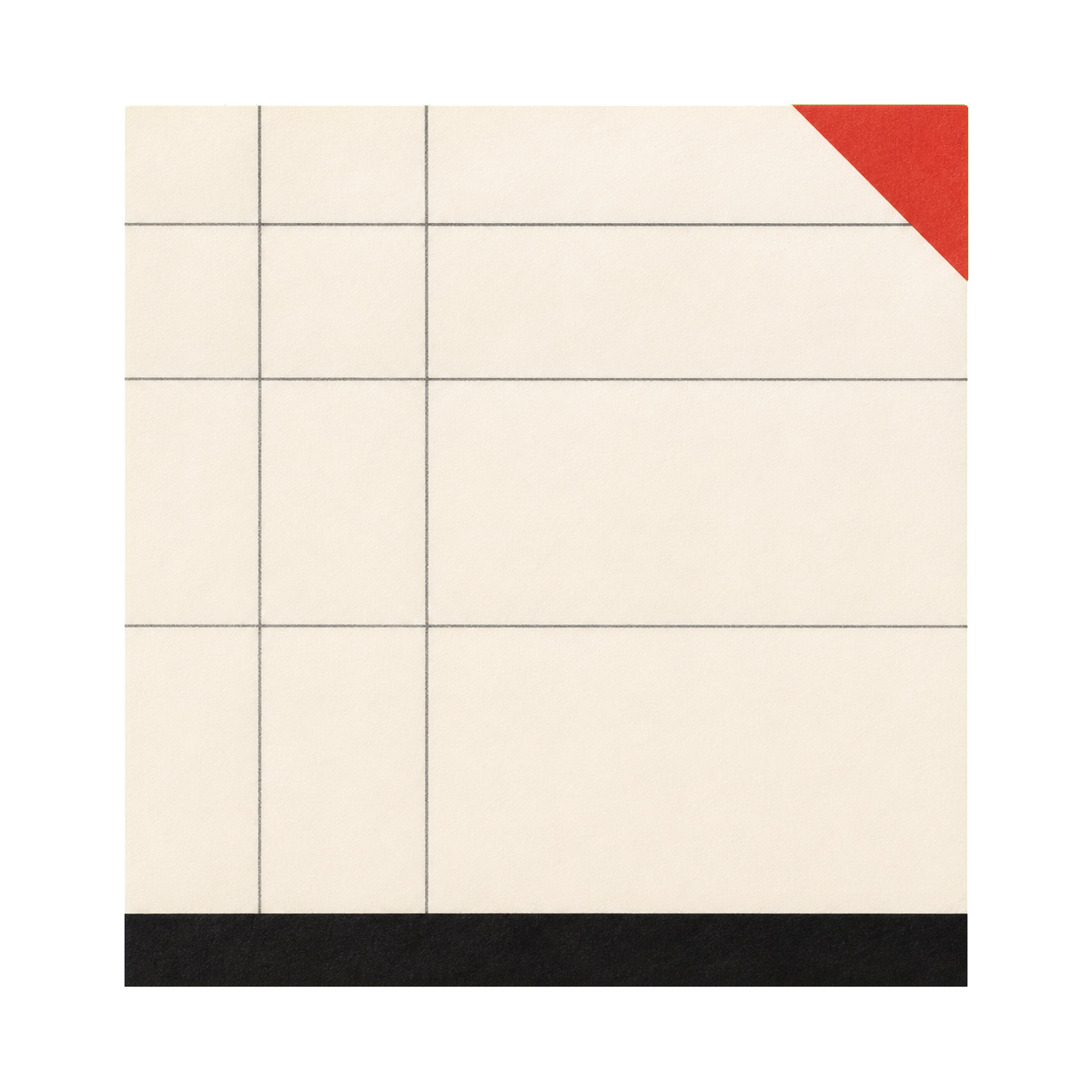
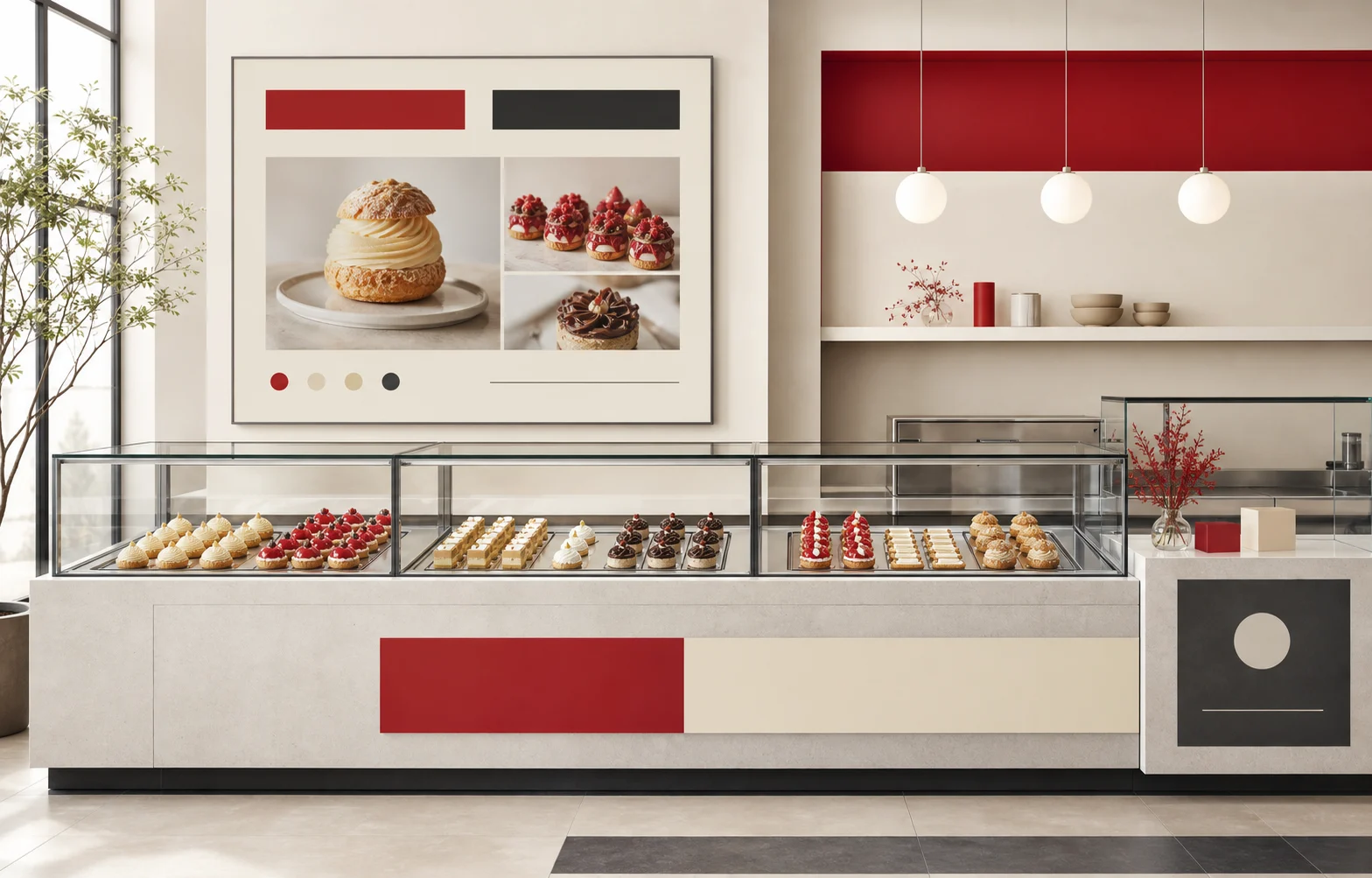
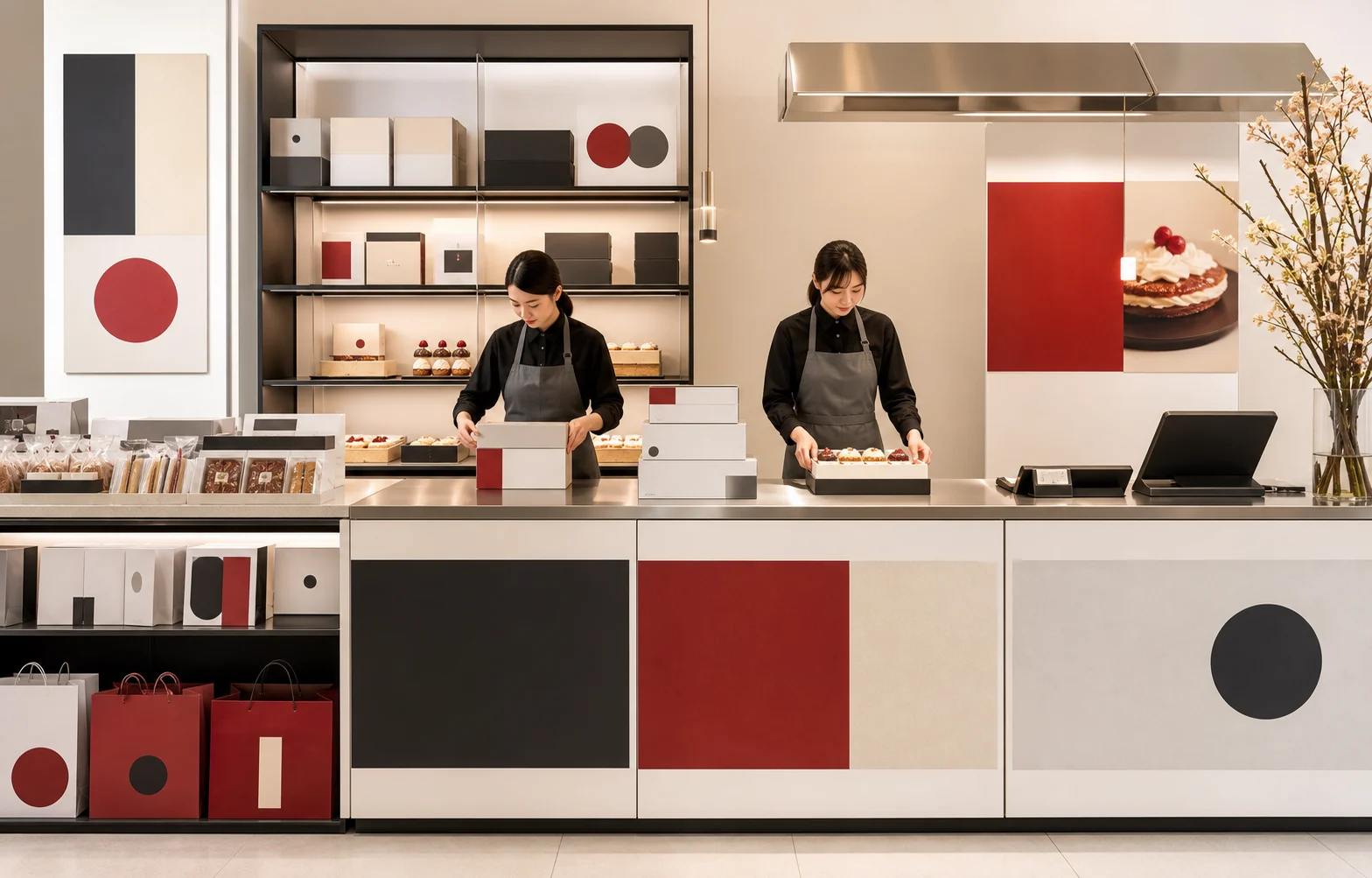
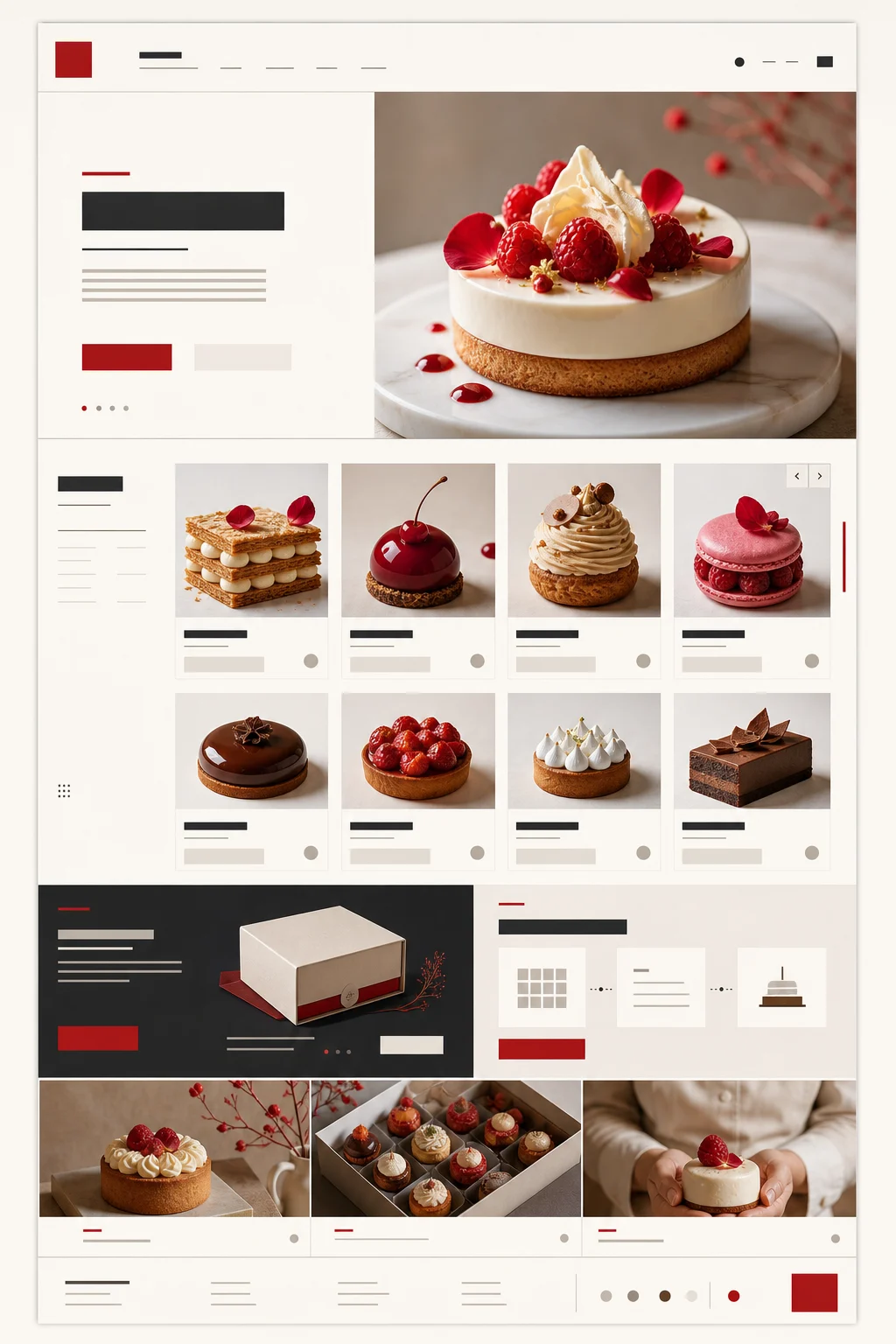
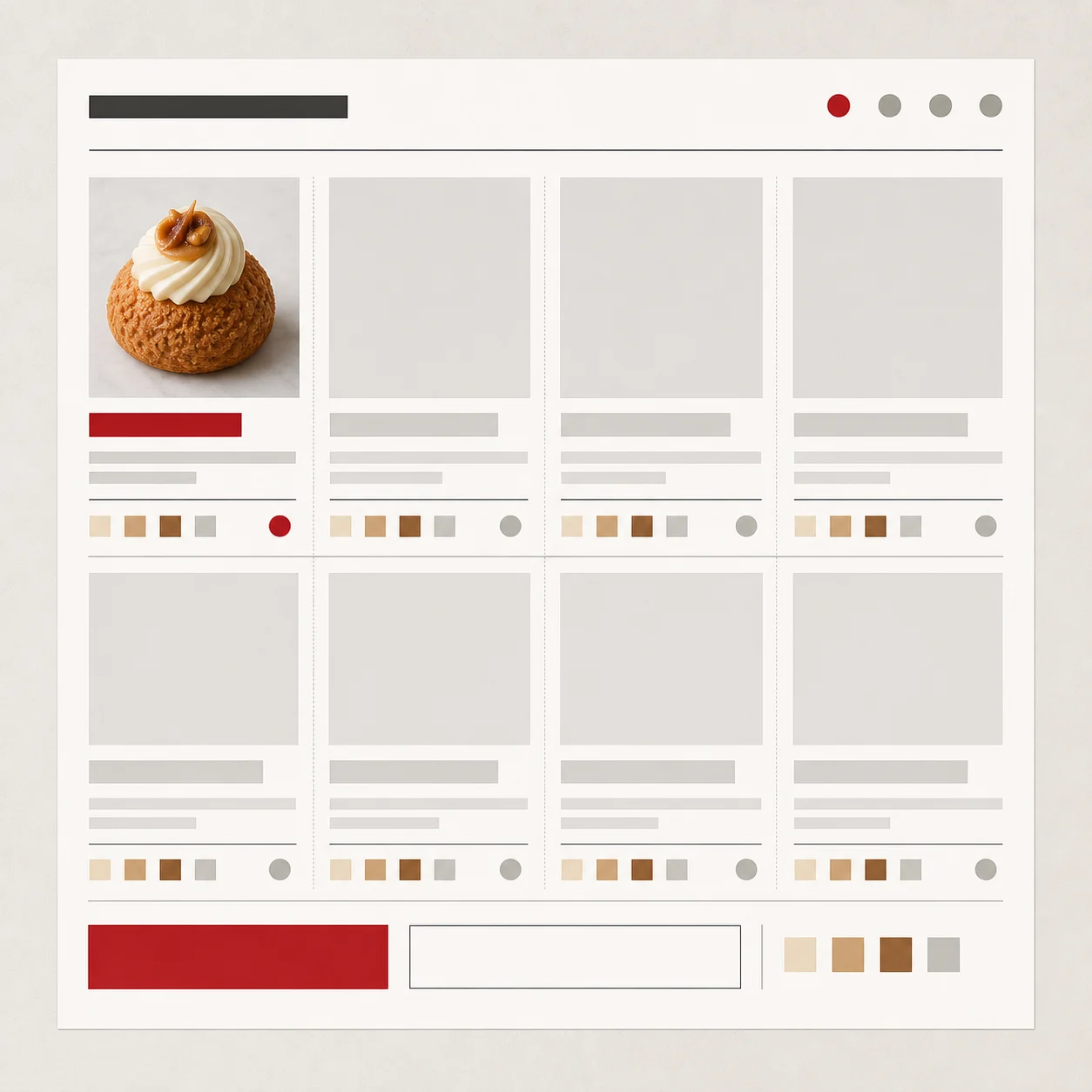
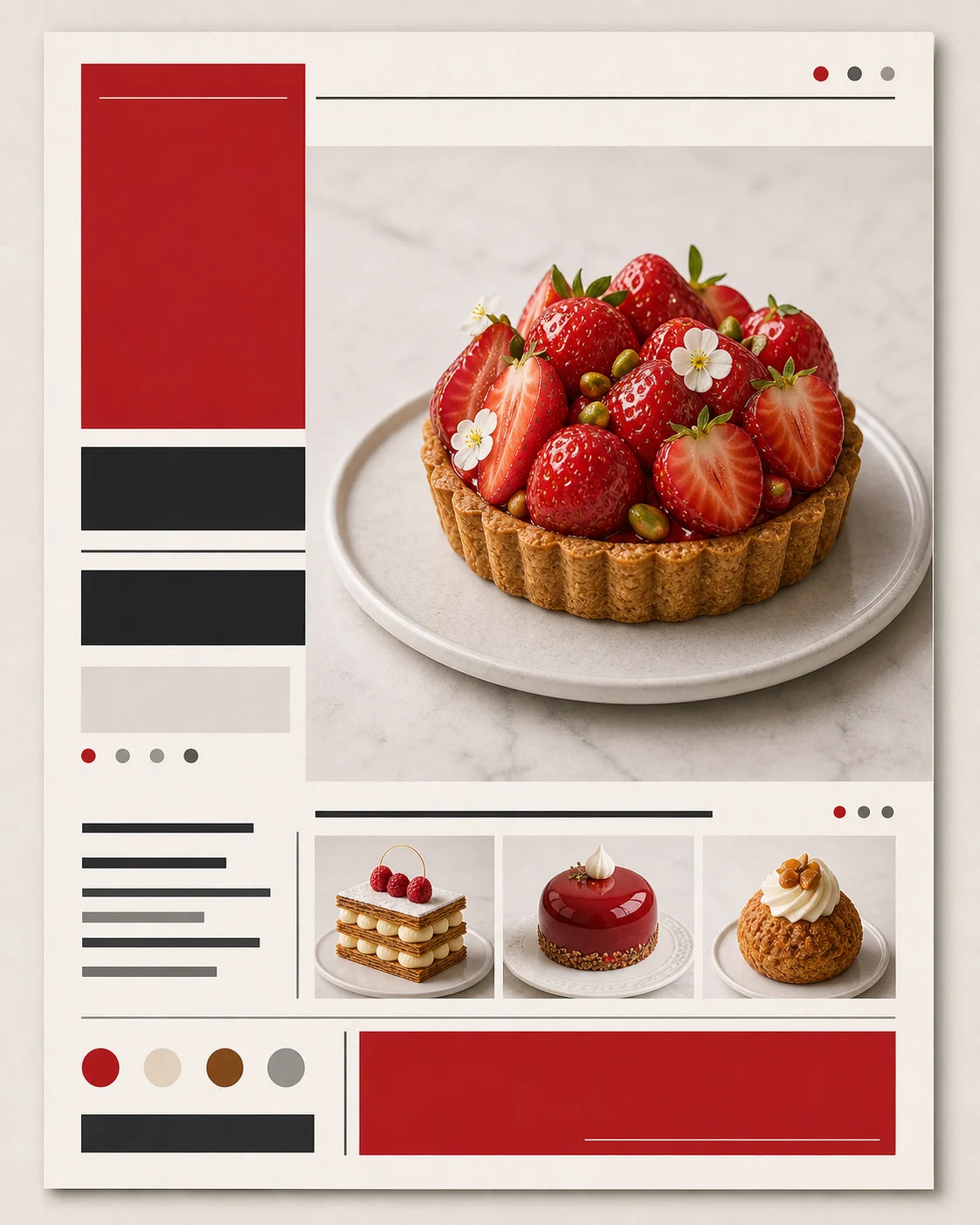
Modern classic system surface used as modern patisserie editorial preview
1930sissue logic

Art-history timeline

Each period gets its own visual system section.

Each chapter follows one historical idea into a working website surface: the room, the ritual, the poster, the drawing, the grid. The point is not to admire the reference from a distance. The point is to see what it can teach a modern interface.

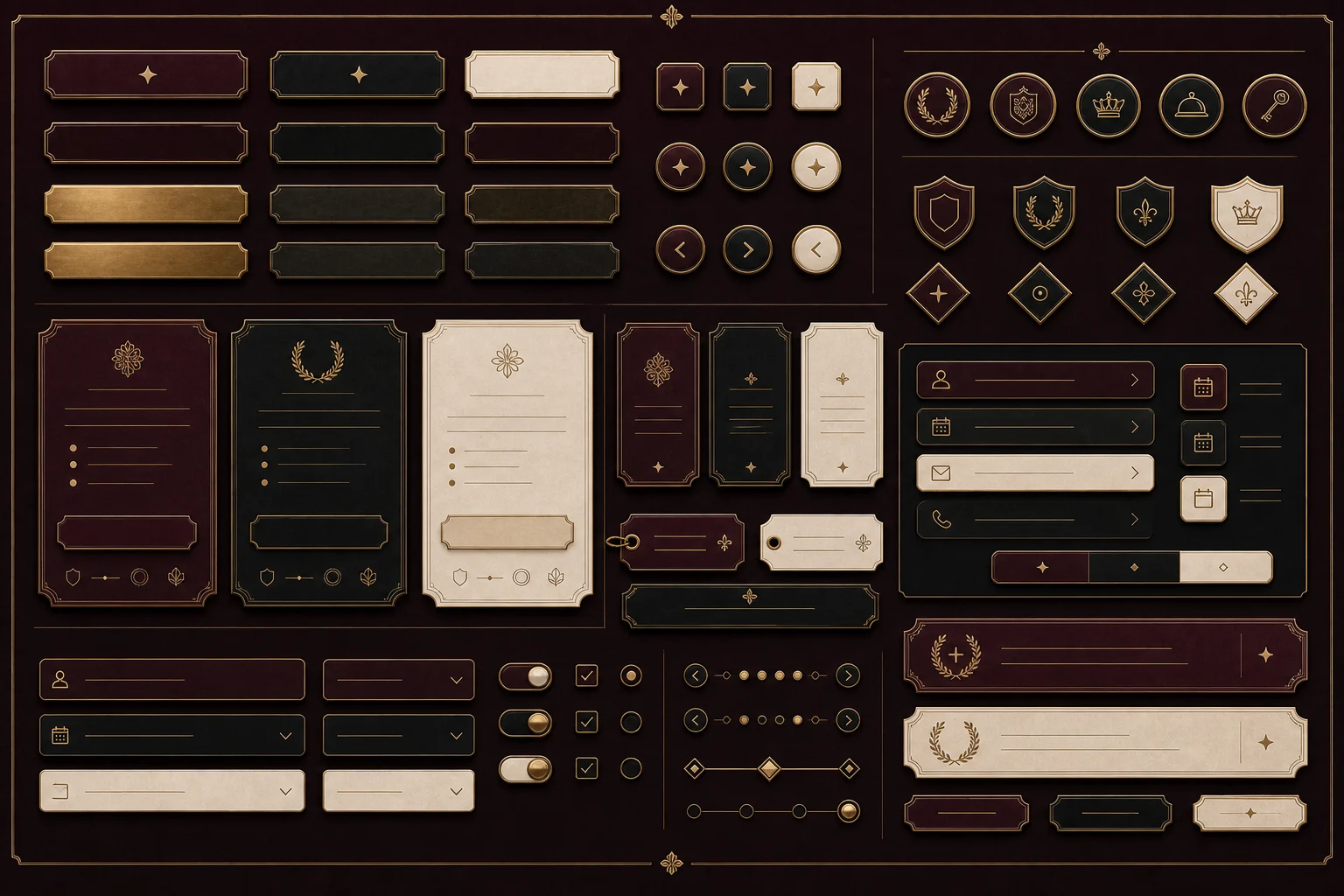
The image library keeps the systems grounded. A design system should feel inspectable before it becomes installable.

Answers

Frequently asked questions about Vintage UI

Direct, product-grounded answers about what Vintage UI sells, how the systems differ, and how to evaluate them before using one on a real website.

The short version: Vintage UI is not a theme gallery. It is a catalogue of authored design systems for businesses that need atmosphere and usability at the same time.

  1. What is Vintage UI?

    Vintage UI is a commercial catalogue of art-historical website design systems. It studies how classic visual movements created atmosphere, hierarchy, ornament, and trust, then turns that logic into practical website software for real businesses.

  2. What does Vintage UI sell?

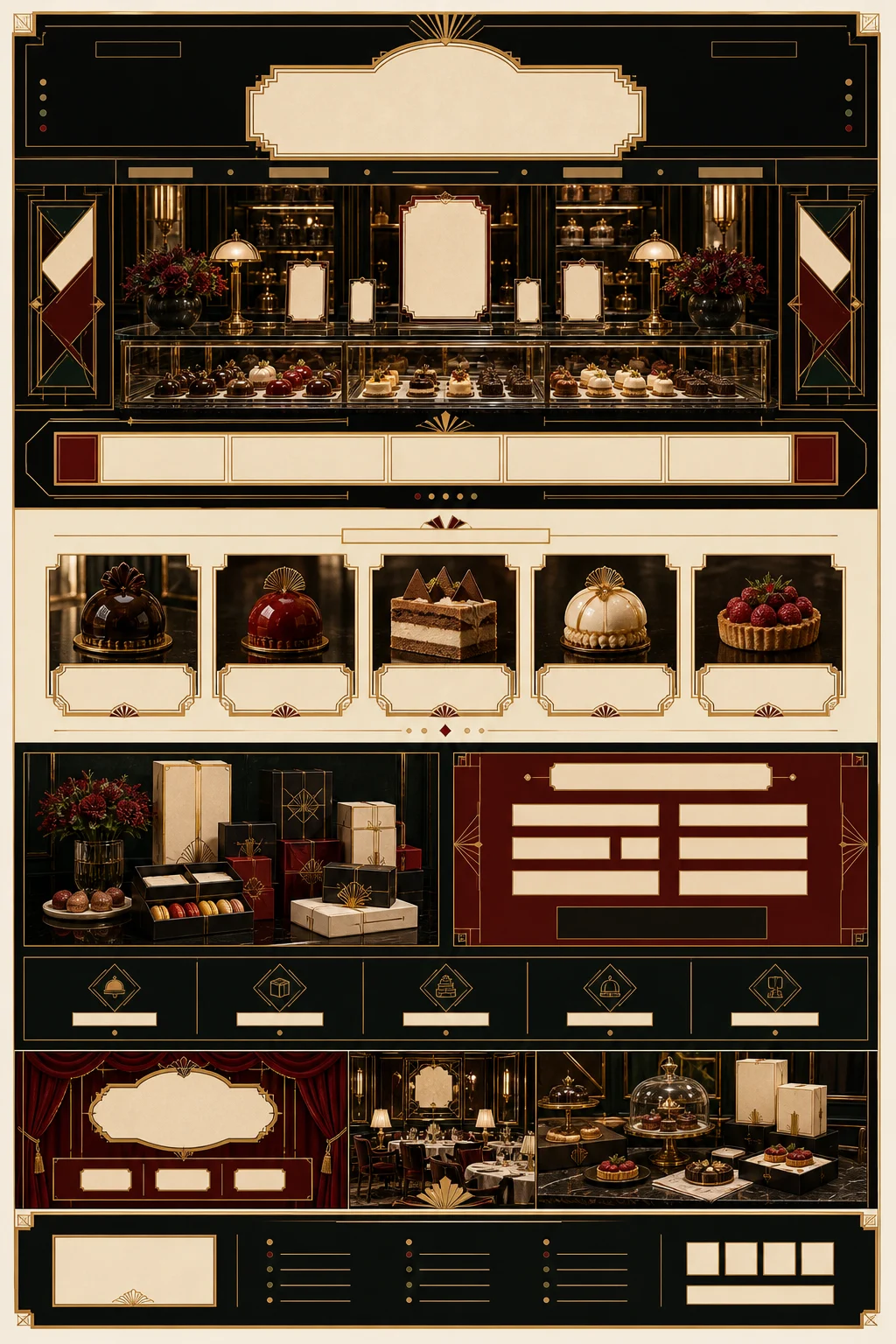
    Vintage UI sells art-historical website design systems: reusable UI components, composed sections, business templates, prompt-tracked imagery, and documentation for hospitality, galleries, florists, ateliers, beauty, events, food, cultural venues, and premium services.

  3. Which design systems does Vintage UI offer?

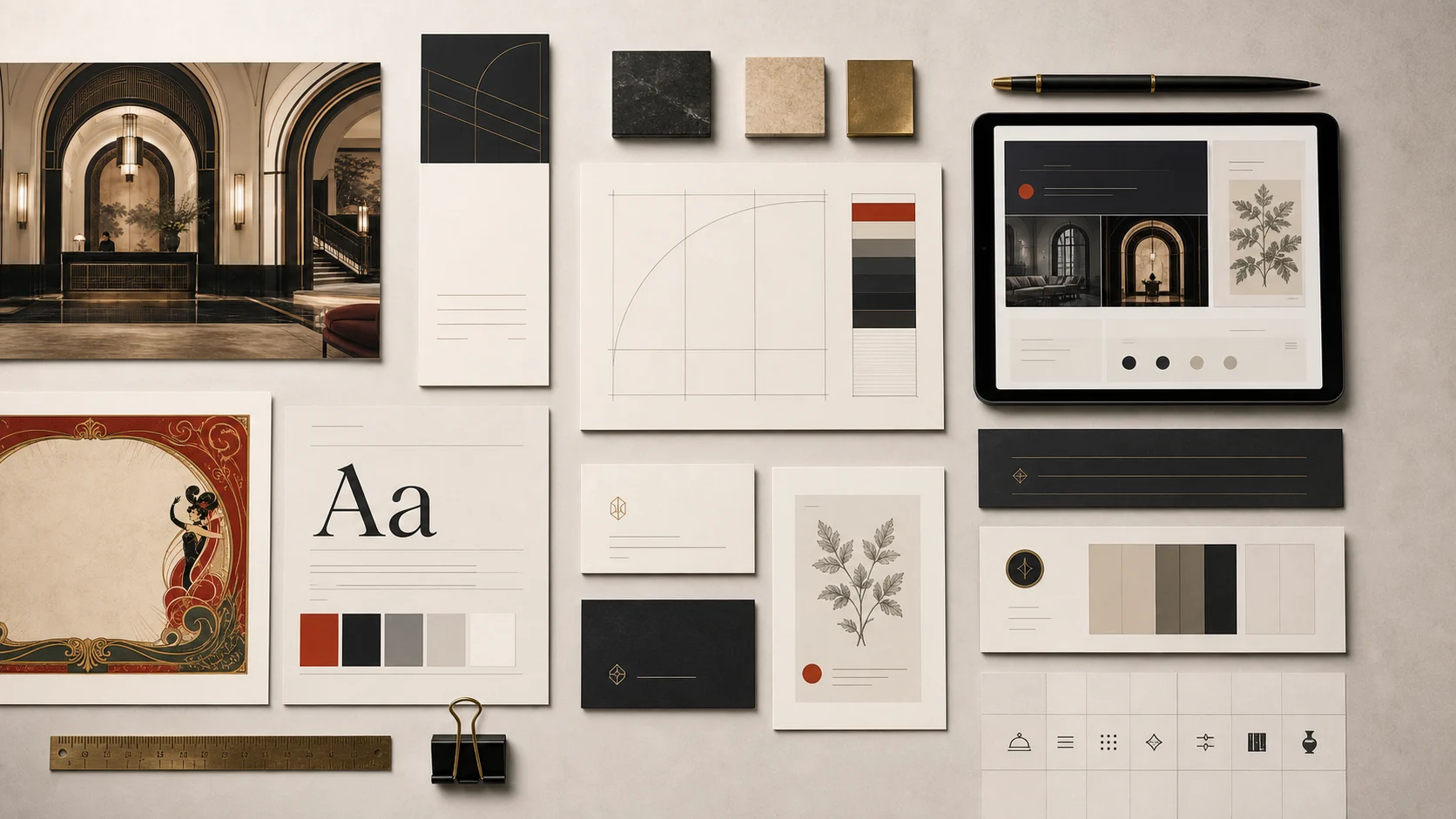
    Vintage UI currently presents six design-system families: Arc Deco, Salon Poster, Nouveau Botanica, Museum Editorial, Atelier Paper, and Modern Classic.

    Each maps a different visual tradition to usable website primitives: geometric polish, public drama, organic ornament, archival restraint, tactile craft, or rational structure.

  4. Who is Vintage UI for?

    Vintage UI is for designers, developers, agencies, and business owners whose website needs to feel specific before it says a word: hotels, restaurants, galleries, florists, perfumeries, ateliers, cultural events, food brands, beauty rooms, and premium services.

  5. Which Vintage UI design system is best for hotels and restaurants?

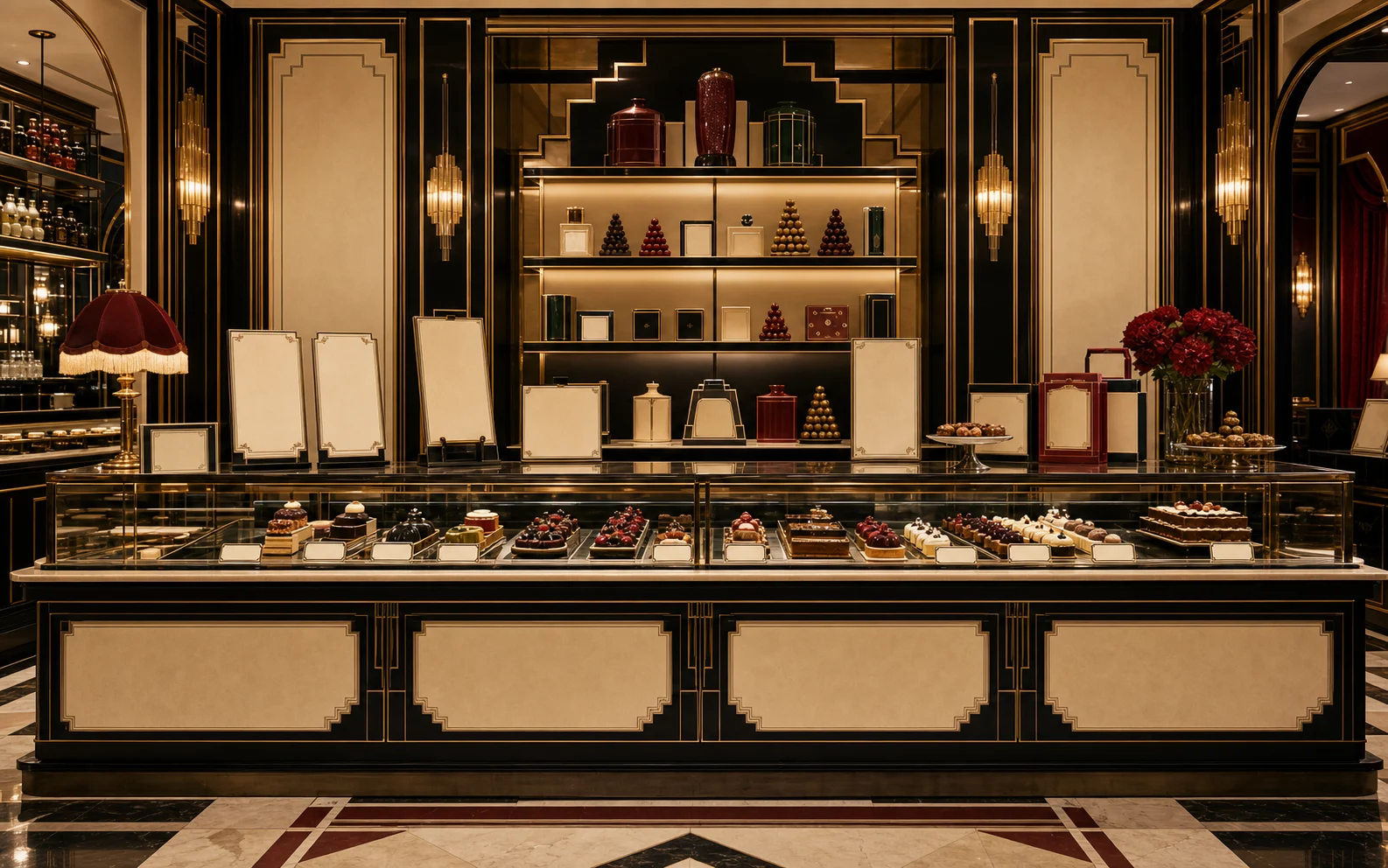
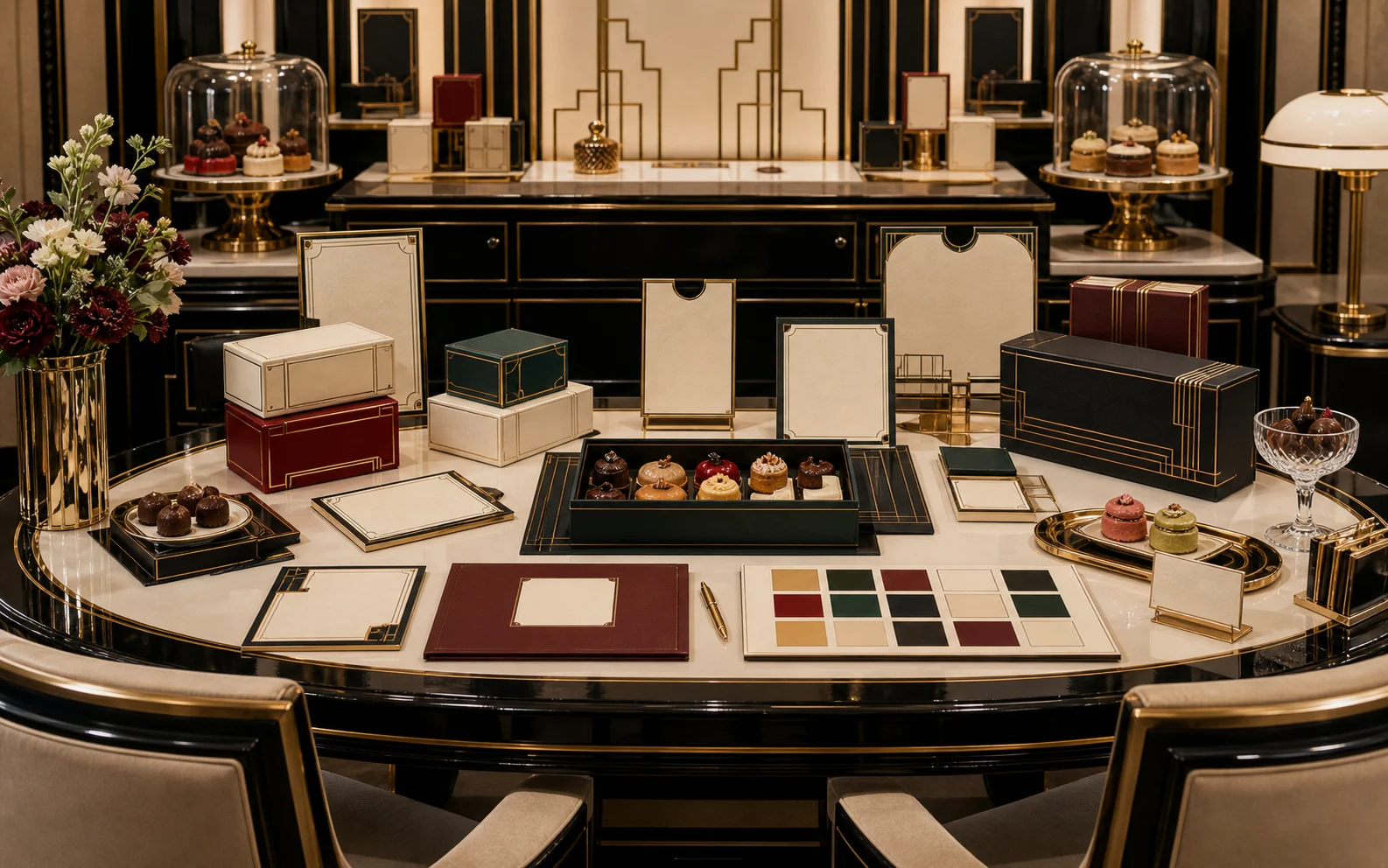
    Start with Arc Deco for boutique hotels, restaurants, private dining, fashion, cultural venues, and premium services.

    Arc Deco gives those websites a clear arrival ritual: geometric order, polished surfaces, ceremonial pacing, and enough restraint for menus, booking paths, rooms, events, offers, and service details.

  6. How do the Vintage UI design systems differ?

    The systems differ by rhythm, not only palette: Arc Deco is ceremonial, Salon Poster is public and theatrical, Nouveau Botanica is organic, Museum Editorial is evidence-led, Atelier Paper is tactile, and Modern Classic is structural. Choose by the business moment: booking, launch, consultation, catalogue, provenance, craft, or documentation.

  7. How do I evaluate a Vintage UI design system?

    Evaluate whether the system can carry a real page, not whether it works as a moodboard. Read the timeline, open a detail page, then check best uses, primitives, imagery, package name, and composition. A good fit makes the offer clearer, not merely more decorated.

  8. What technology is Vintage UI built with?

    The storefront is built with React and Next.js. The design systems are structured as local packages, so primitives, composed sections, metadata, imagery, and documentation can move together inside a React and Next.js project.

  9. How are Vintage UI design systems distributed?

    Each system is intended to ship as a local package with UI primitives, website blocks, business templates, prompt-tracked imagery, and documentation. The model keeps visual language close to implementation so developers import the system instead of rebuilding it from screenshots.

  10. Is Vintage UI free or commercial?

    Vintage UI is commercial. The public site explains the direction and shows the catalogue; the product is the curated system work: components, sections, templates, imagery, documentation, and the taste rules that make the style usable.

  11. How do I choose the right Vintage UI design system?

    Start with the business moment. Use Arc Deco for ceremony, Salon Poster for public launches, Nouveau Botanica for botanical warmth, Museum Editorial for provenance, Atelier Paper for tactile craft, and Modern Classic for clear system evaluation.

  12. Where can I see Vintage UI design systems in action?

    The homepage shows each system in a story-first timeline. Detail pages then show character traits, best uses, primitives, imagery, package information, and the visual notebook. Start with Arc Deco for luxury hospitality or Nouveau Botanica for beauty, floristry, perfume, and wellness.