Design System
Museum Editorial
Restrained, archival, spacious, and image-disciplined.
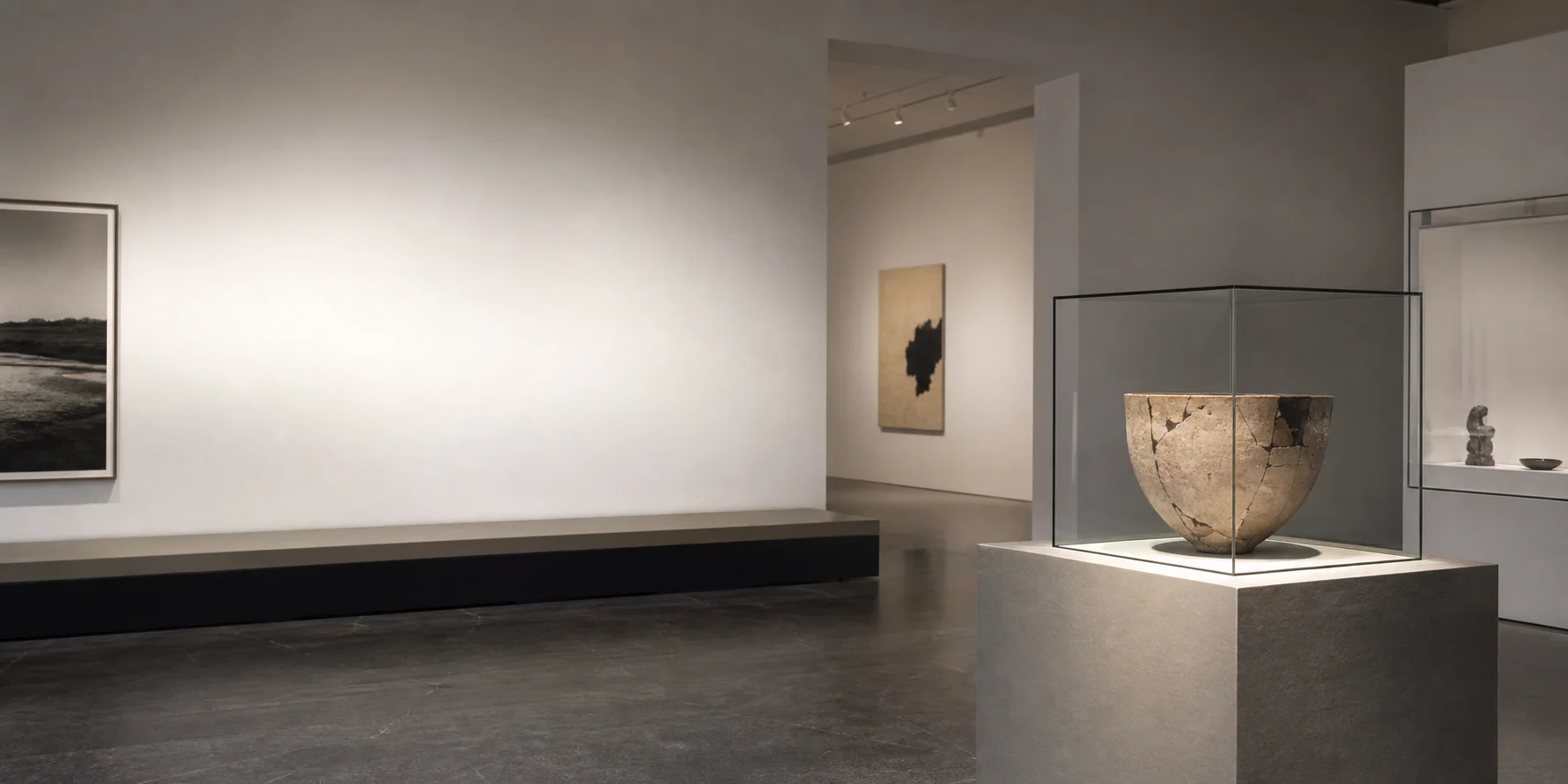
What is Museum Editorial for?
A quiet editorial language influenced by museum labels, gallery catalogues, art books, collection systems, and archival layouts.
Use Museum Editorial when a website needs to feel Restrained, Precise, Scholarly, Spacious and Trustworthy while still supporting practical pages for Galleries, Artists, Archives, Foundations and Architecture studios. The system is designed for real commercial surfaces: reusable components, page sections, templates, prompt-tracked imagery, and documentation.
Primary package: @vui/design-museum-editorial · Route: /design-systems/museum-editorial
Character traits
- Restrained
- Precise
- Scholarly
- Spacious
- Trustworthy
Best uses
- Galleries
- Artists
- Archives
- Foundations
- Architecture studios
Visual language and examples
Visual language
- Catalogue hero and gallery preview.
Examples
- Catalogue previewA compact preview card for the design-system index.
Reference library
Museum Editorial is grounded in collection interpretation, cataloguing, accessible exhibition design, and cultural publication systems rather than in a single decorative period.
Research links
- Getty Museum: Quick Guide to Adult Audience Interpretive MaterialsReference for concise object text, concrete visual details, one to three ideas, and avoiding unsupported judgments.
- Smithsonian: Guidelines for Accessible Exhibition DesignReference for multi-level, multi-sensory access and accessibility as part of exhibition design from the start.
- VRA: Cataloging Cultural ObjectsReference for work records, image records, metadata focus, and cultural object description.
- Getty: Categories for the Description of Works of ArtReference for title, alternate title, language, date, and citation fields as part of public object access.
- Museums Galleries Scotland: Creating Interpretive TextReference for succinct, object-supportive interpretation across physical and digital contexts.
Representative artists
- Herbert BayerExhibition and graphic designer · 1930s-1950s. Use for exhibition floor plans, visual pedagogy, and museum display as an information system.
- Willem SandbergMuseum director and graphic designer · 1940s-1960s. Use for museum posters and catalogues as a living institutional identity.
- Massimo VignelliGraphic systems designer · 1960s-2000s. Use for systematic public information design, disciplined typography, and wayfinding-like clarity.
- Irma BoomBook and cultural publication designer · 1980s-present. Use for museum books as objects, sequence, materiality, and archival publication experience.
Work gallery
- Floor plan for the exhibition Bauhaus 1919-1928Herbert Bayer, 1938. A reference for exhibition layout as designed information, not only decoration.
- Sandberg, director and designerWillem Sandberg, 1945-1962 focus. A reference for museum catalogue and poster output shaping institutional voice.
- Massimo Vignelli collectionMassimo Vignelli, 1960s-2000s. A reference for systems that make complex public information feel calm and inevitable.
- Every Thing DesignIrma Boom, 2009. A reference for collection books as tactile, sequenced, object-like interfaces.
Implementation primitives
- Wide margins
- Caption systems
- Inventory-like labels
- Clear image grids
- Minimal dividers
NPM package
Import from @vui/design-museum-editorial.
Need package-specific docs and tokens? Use the package entrypoint in @vui/design-museum-editorial.
Generated visual library
Visual notebook for Museum Editorial
A working notebook of scenes, page plates, component specimens, material swatches, and reusable parts. Each group is placed by how it would be used in a real website, not by file count.
- 8Showcase scenesRead these as the destination: the business surface that proves the style can hold real hospitality, retail, or cultural content.
- 5Template previewsThese plates show page rhythm. The notebook keeps them larger so hierarchy, repeated sections, and commercial structure are legible.
- 5Component detailsComponents are the specimen drawer: controls, badges, plaques, labels, and navigation fragments that can be reused without turning into decoration.
- 5Material texturesTextures are not hero art. They sit like material swatches: quiet, repeatable, and close enough to judge surface quality.
- 13Cutouts and decoratorsDecorators are parts, not thumbnails. Corners, dividers, seals, tabs, and frames are placed by job so their use in a composition is easier to understand.
- 3Campaign platesCampaign pieces behave like public posters and launch cards: more theatrical, more vertical, and separated from reusable component parts.
- 2Responsive previewsResponsive previews are proof notes. They are grouped as device evidence rather than treated as another decorative image.
- 1Moodboard platesMoodboard plates summarize the period vocabulary: materials, type, color, and framing logic in one reference sheet.
Showcase scenes
Read these as the destination: the business surface that proves the style can hold real hospitality, retail, or cultural content.
Finished business scenes and hero imagery that show the design system in commercial context.
- Why it exists
- These scenes prove the style can carry a real service, product, or venue without becoming loose decoration.
- Feeling
- Immediate, inhabitable, and commercial: the visitor should feel the business could launch from this surface.
- Role
- Showcase scenes
- Count
- 8
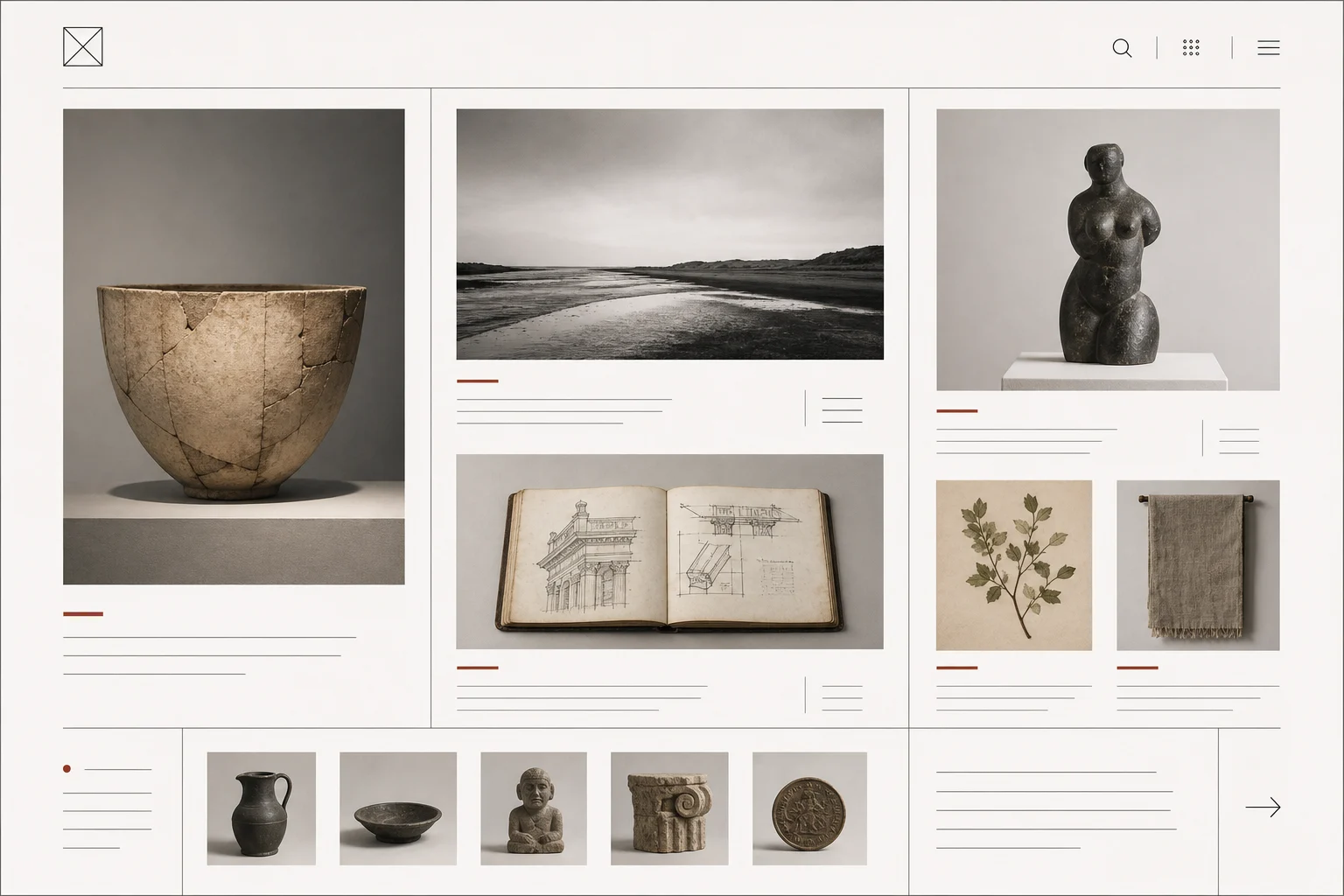
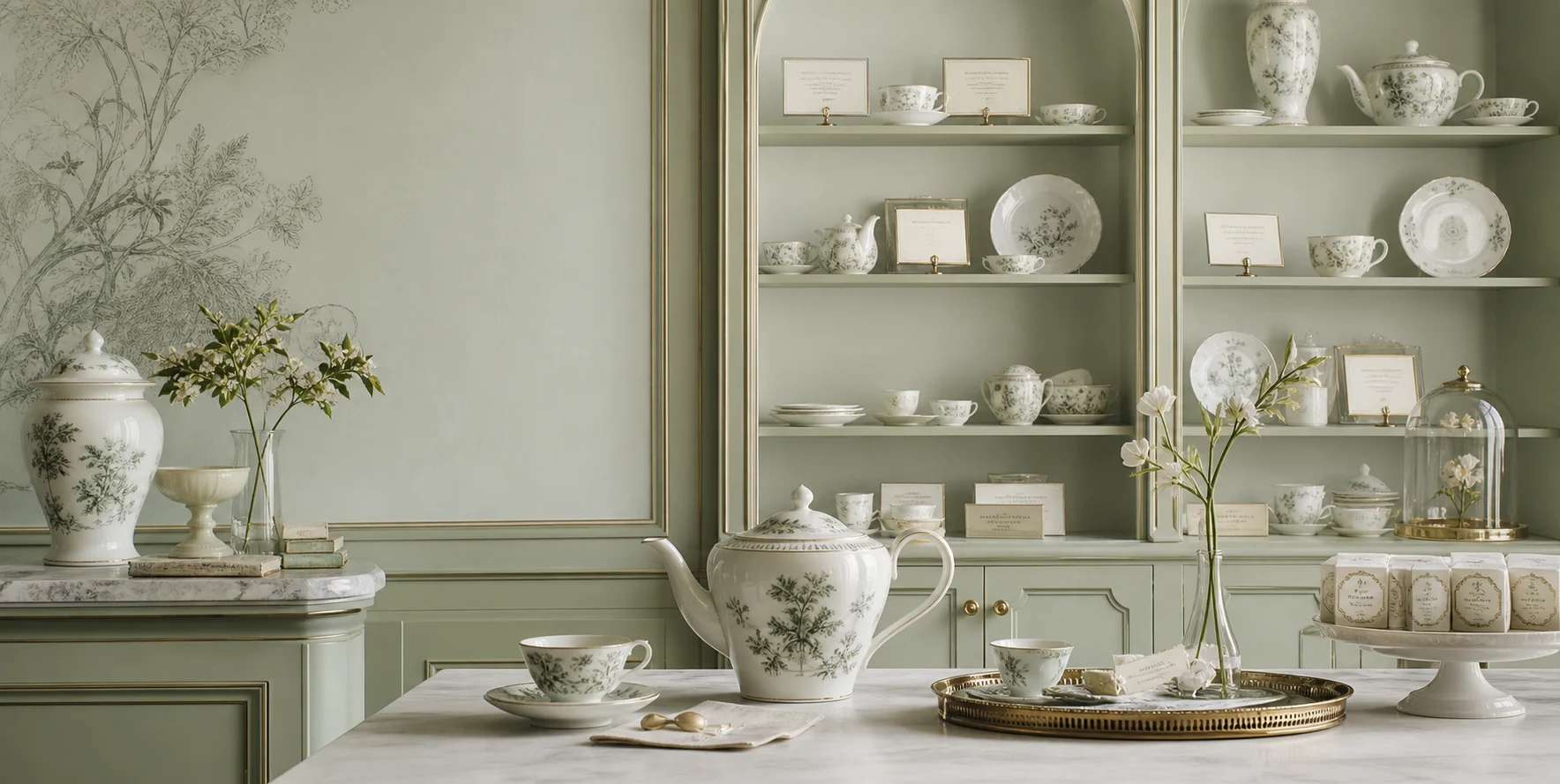
5 more prompt-tracked specimens
- Sage & Porcelain Maison consultation-table business-scene previewBusiness Scene
- Sage & Porcelain Maison retail pickup, gifting, and tea-service business-scene previewBusiness Scene
- Sage & Porcelain Maison product collection launch and catalogue hero previewBusiness Scene
- Sage & Porcelain Maison tea-room service and booking hero previewBusiness Scene
- Sage & Porcelain Maison care, repair, provenance, and aftercare service-page previewBusiness Scene
Template previews
These plates show page rhythm. The notebook keeps them larger so hierarchy, repeated sections, and commercial structure are legible.
Full-page and saleable template compositions for evaluating page structure and visual rhythm.
- Why it exists
- These previews explain how the style becomes a complete page system with repeated sections and hierarchy.
- Feeling
- Ordered and evaluative: the page rhythm should feel clear enough for pricing, booking, browsing, or inquiry.
- Role
- Template previews
- Count
- 5
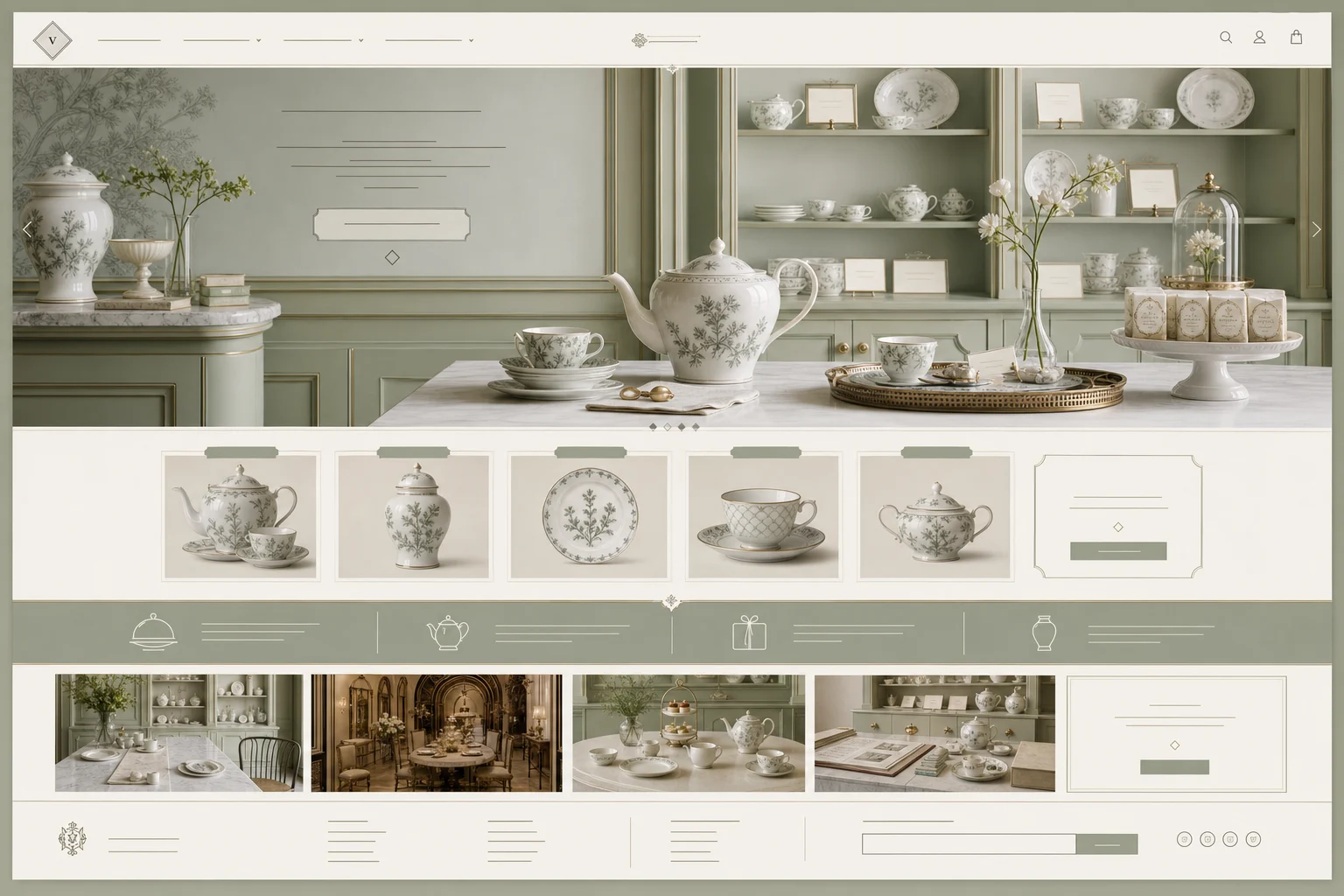
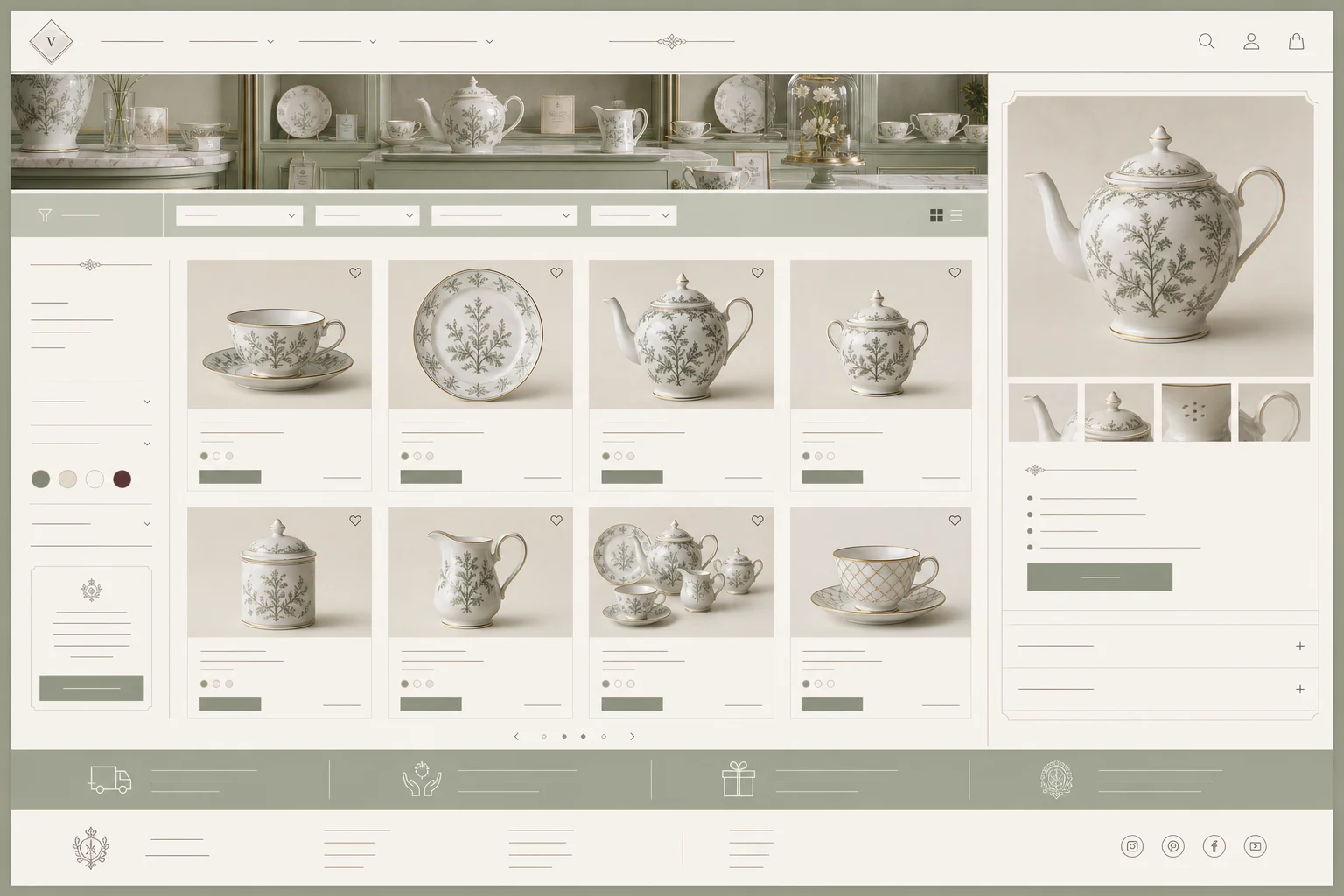
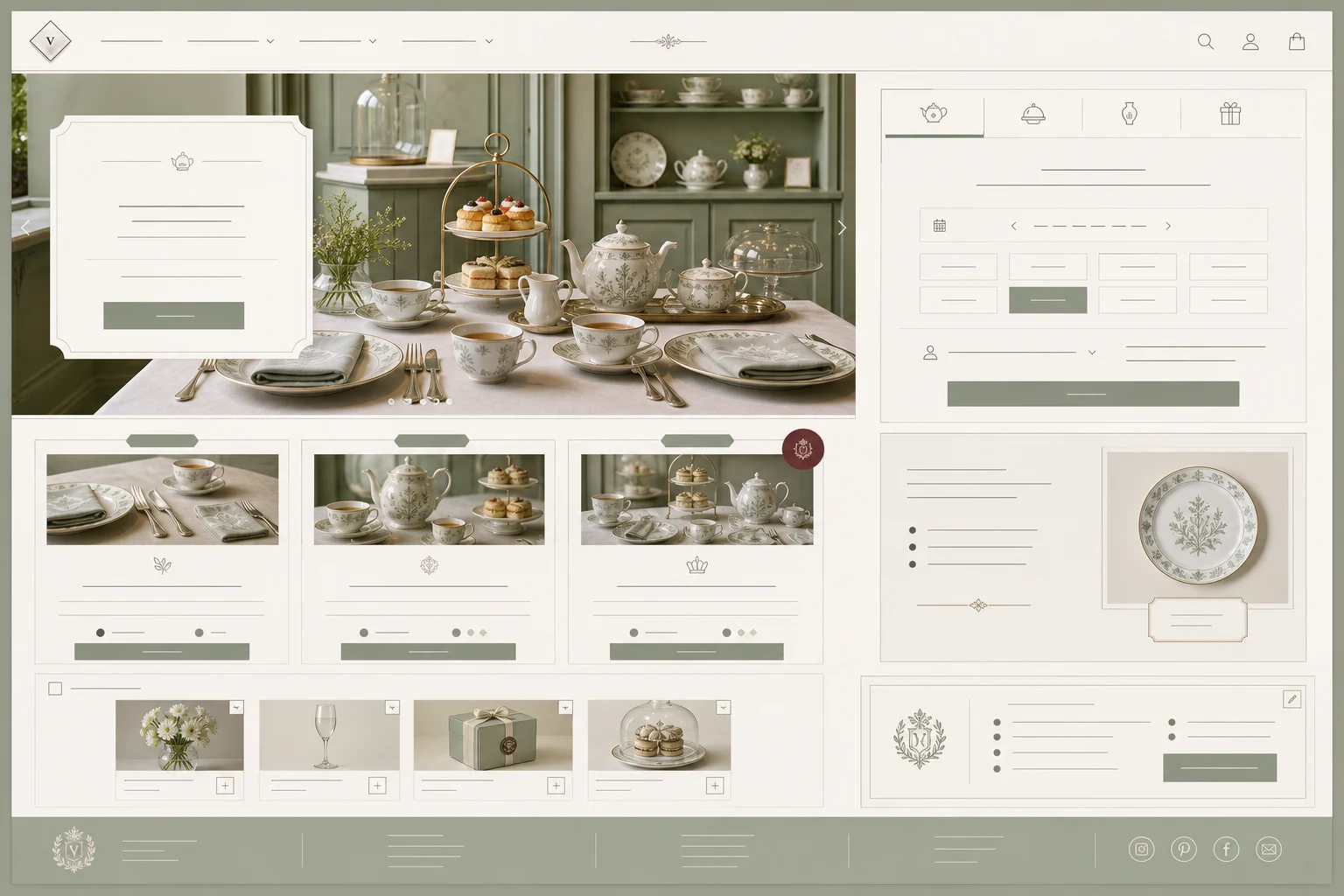
2 more prompt-tracked specimens
- Sage & Porcelain Maison care, repair, and provenance service template previewTemplate Preview
- Sage & Porcelain Maison editorial archive and collection story template previewTemplate Preview
Component details
Components are the specimen drawer: controls, badges, plaques, labels, and navigation fragments that can be reused without turning into decoration.
Closeups of buttons, labels, menus, plaques, cards, and other interface parts.
- Why it exists
- These specimens show how the period becomes interface decisions at button, label, card, and navigation scale.
- Feeling
- Precise and reusable: each part should feel like it belongs in a kit, not like a pasted ornament.
- Role
- Component details
- Count
- 5
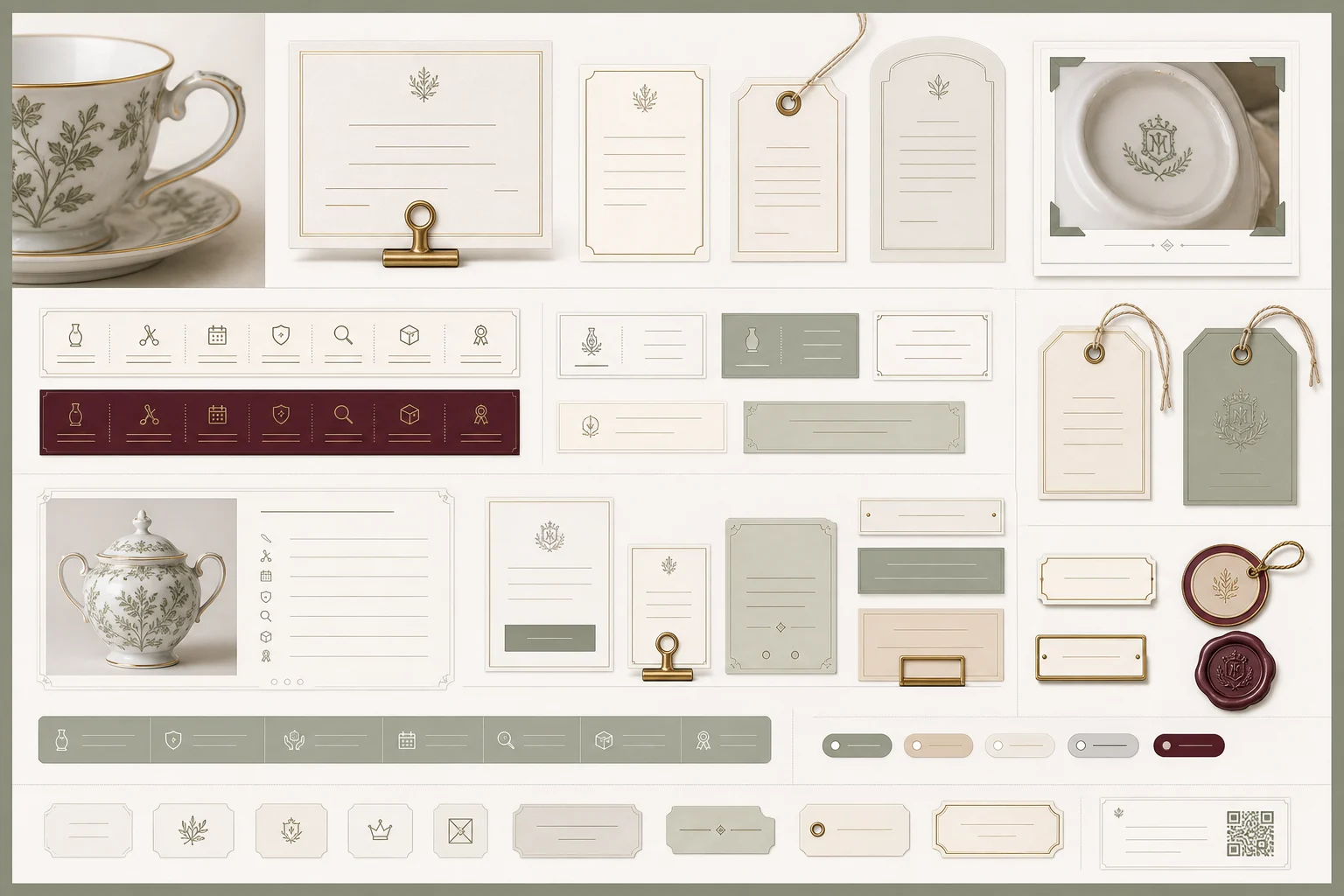
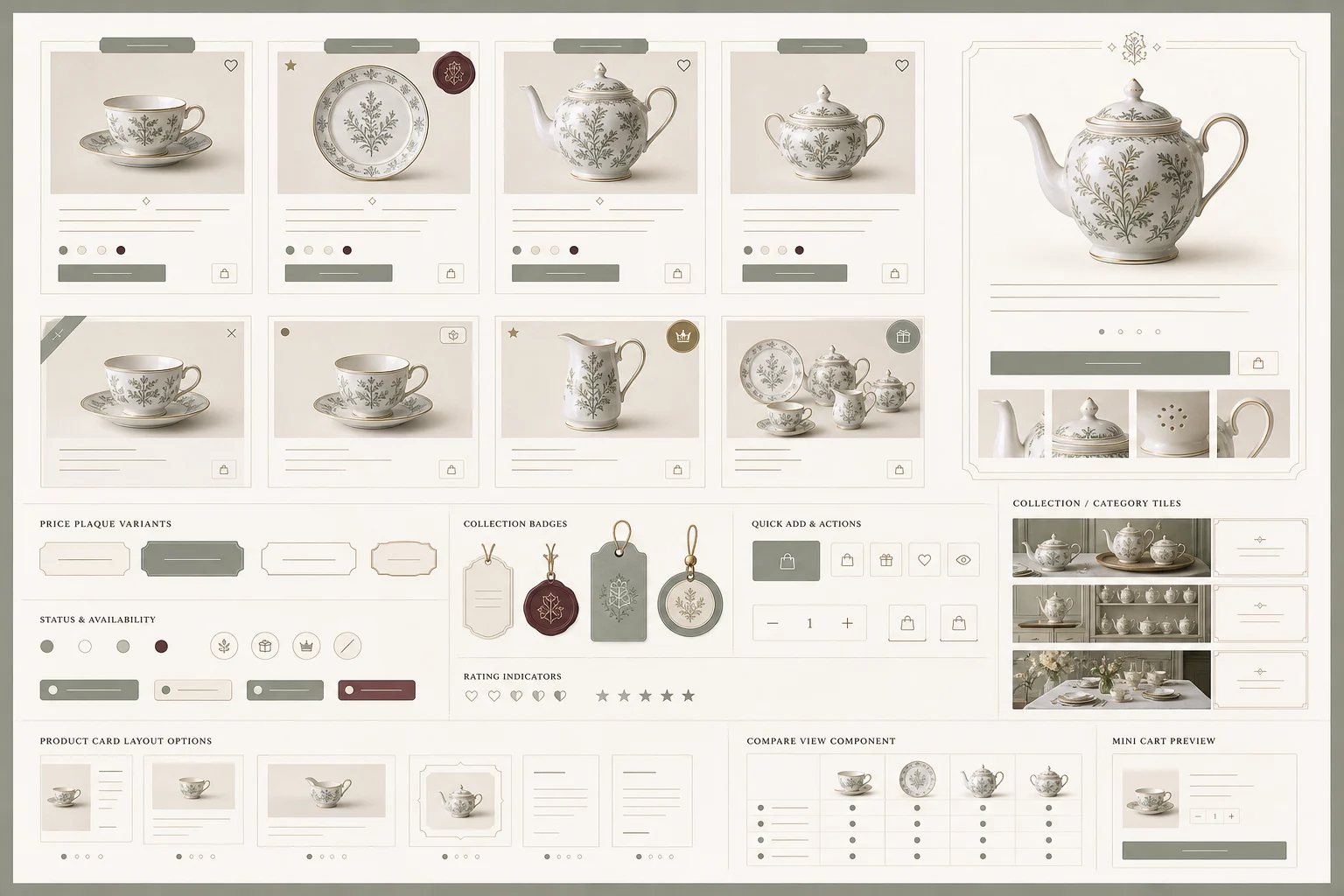
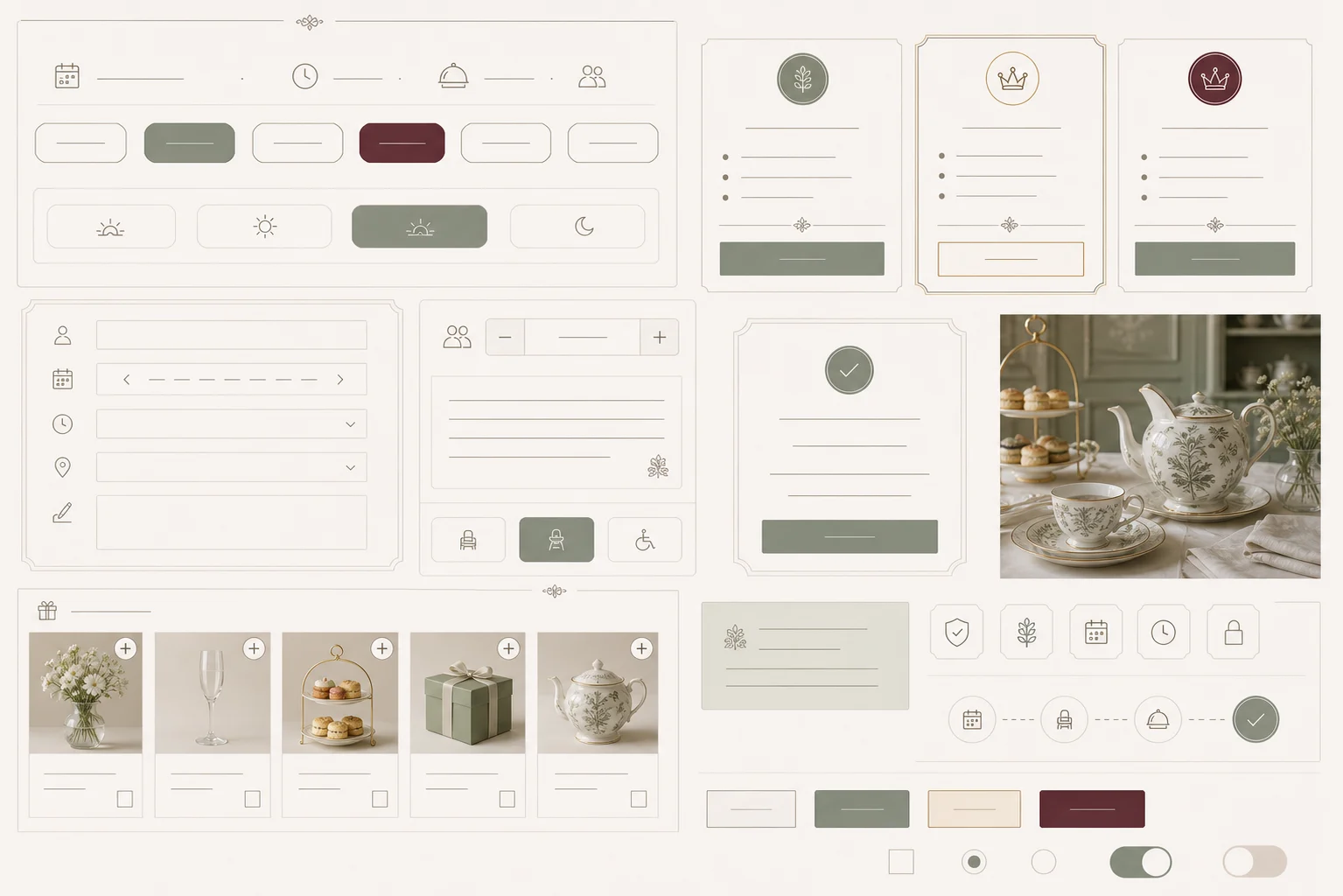
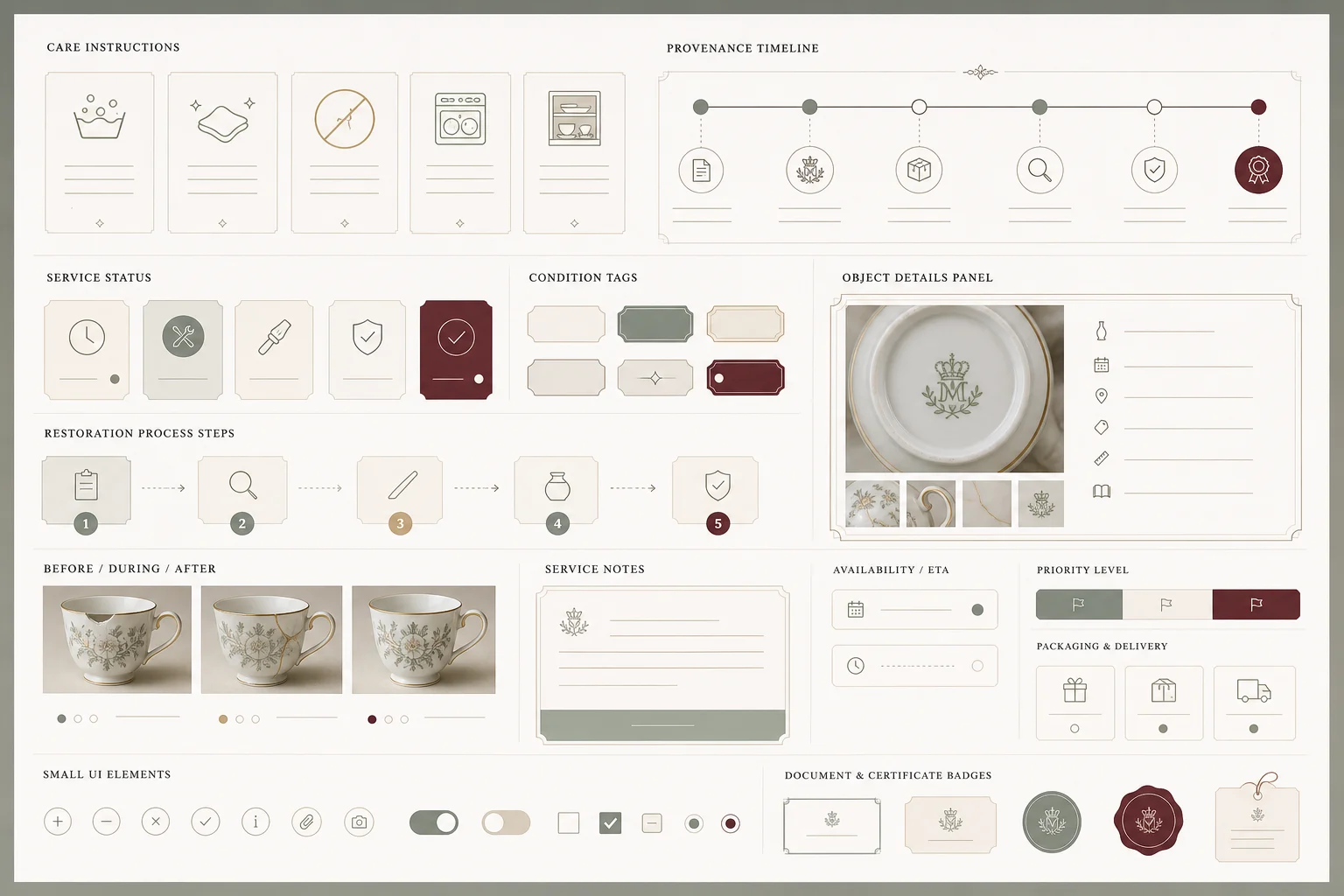
1 more prompt-tracked specimens
- Sage & Porcelain Maison navigation, tabs, accordion, and CTA primitive detailComponent Detail
Material textures
Textures are not hero art. They sit like material swatches: quiet, repeatable, and close enough to judge surface quality.
Reusable paper, lacquer, label stock, grid, linework, and surface treatments.
- Why it exists
- These materials hold the sensory layer behind the system so surfaces stay consistent across sections.
- Feeling
- Tactile but restrained: texture should support reading and atmosphere without becoming the main event.
- Role
- Material textures
- Count
- 5



2 more prompt-tracked specimens
- Sage & Porcelain Maison archival label card-stock textureMaterial Texture
- Sage & Porcelain Maison porcelain glaze UI surface textureMaterial Texture
Cutouts and decorators
Decorators are parts, not thumbnails. Corners, dividers, seals, tabs, and frames are placed by job so their use in a composition is easier to understand.
Transparent ornaments, frames, labels, branches, seals, markers, and reusable object accents.
- Why it exists
- These parts give designers reusable accents that can sit around real text, images, and controls.
- Feeling
- Decorative with discipline: the object should add period character while leaving live content in control.
- Role
- Cutouts and decorators
- Count
- 13
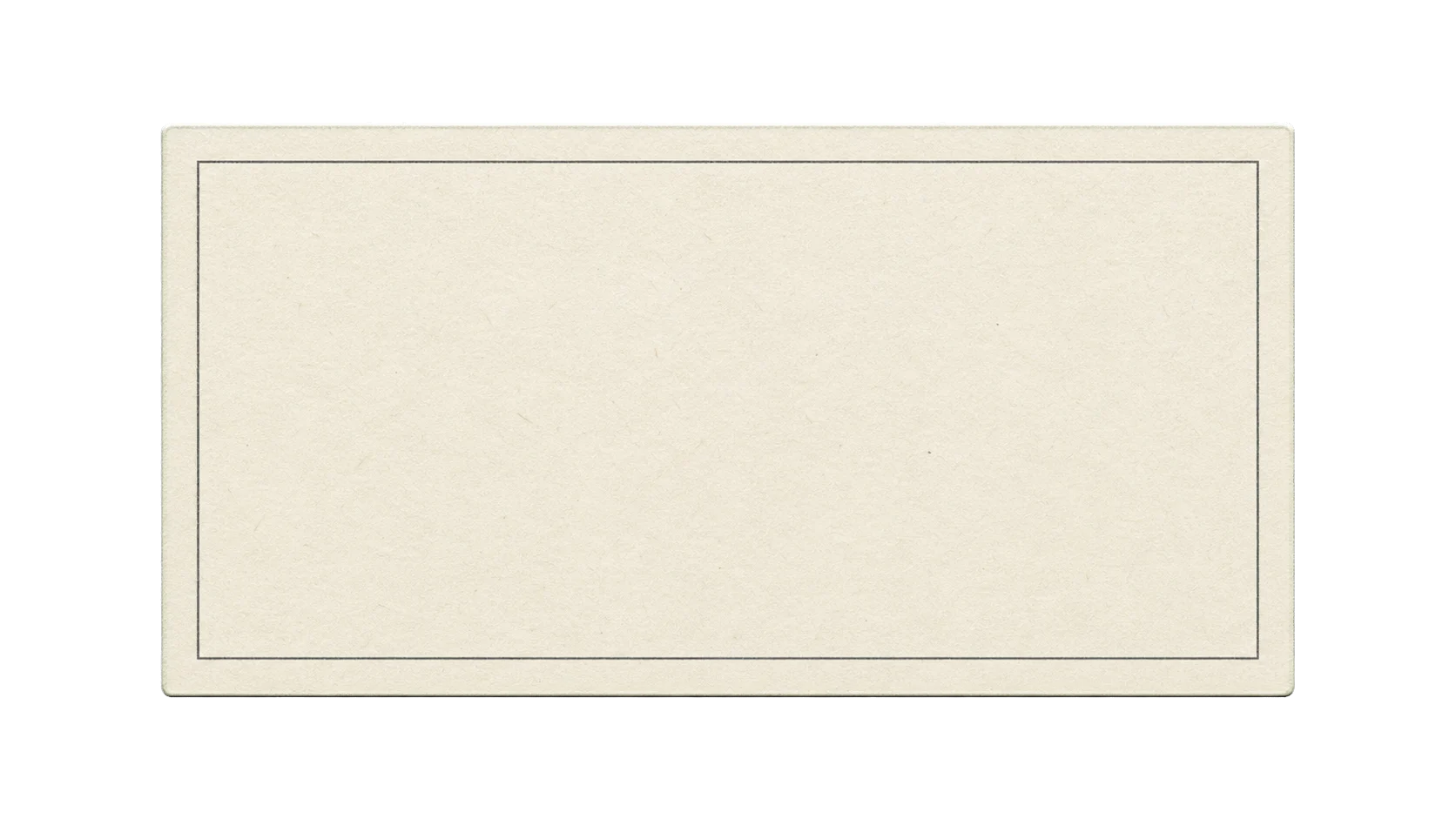

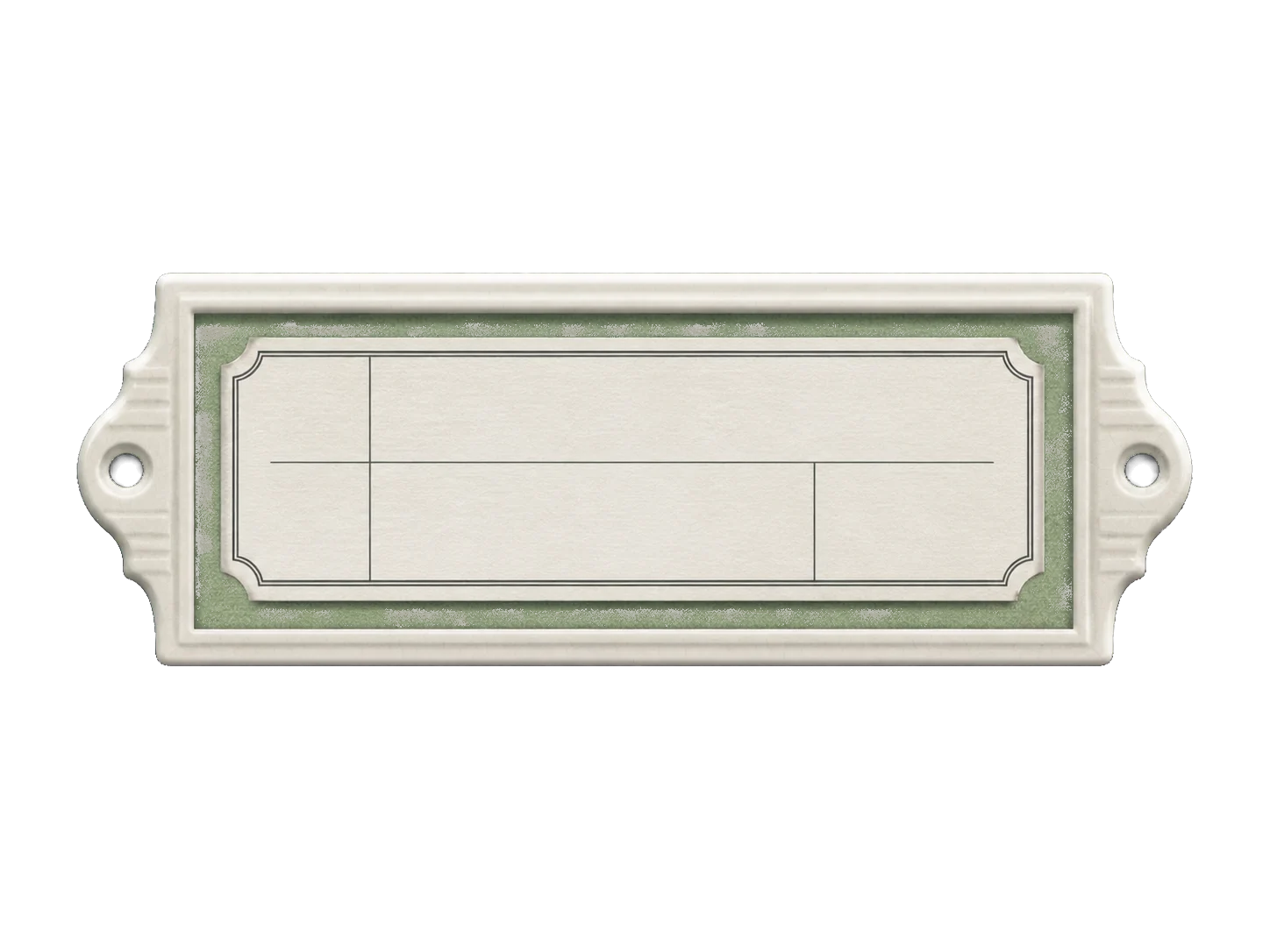

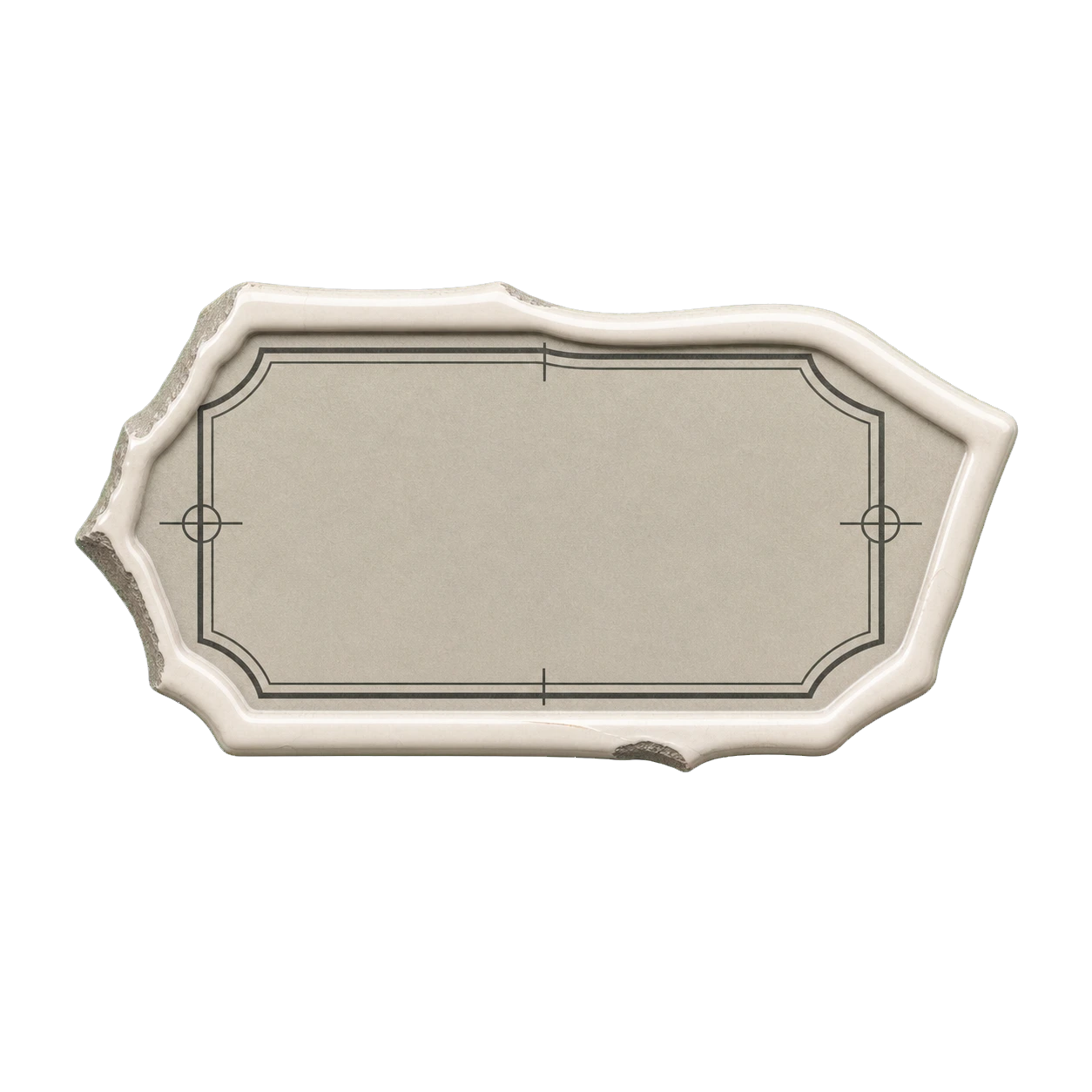
8 more prompt-tracked specimens
- Museum Editorial archive number plate for catalogue sections without baked-in numbersTransparent Decorator
- Museum Editorial object plinth for object-card and gallery-hero compositionTransparent Decorator
- Sage & Porcelain Maison brass and porcelain label-holder cutout for UI frames and service labelsCutout Ornament
- Sage & Porcelain Maison oval porcelain seal plaque cutout for badges, cartouches, and trust markersCutout Ornament
- Sage & Porcelain Maison shallow porcelain tray frame cutout for image masks and metadata plaquesCutout Ornament
- Sage & Porcelain Maison archival provenance folder-tab cutout for metadata panels and service pagesCutout Ornament
- Porcelain restoration fragment label holder for provenance cards and object-inspection modulesCutout Ornament
- Wide porcelain provenance tab for archive metadata strips and product-record headersCutout Ornament
Campaign plates
Campaign pieces behave like public posters and launch cards: more theatrical, more vertical, and separated from reusable component parts.
Posters, launch images, menu cards, announcement surfaces, and social campaign material.
- Why it exists
- These pieces test whether the style can handle announcements, offers, launches, and seasonal messages.
- Feeling
- Public and promotional: louder than components, but still visibly tied to the same design system.
- Role
- Campaign plates
- Count
- 3
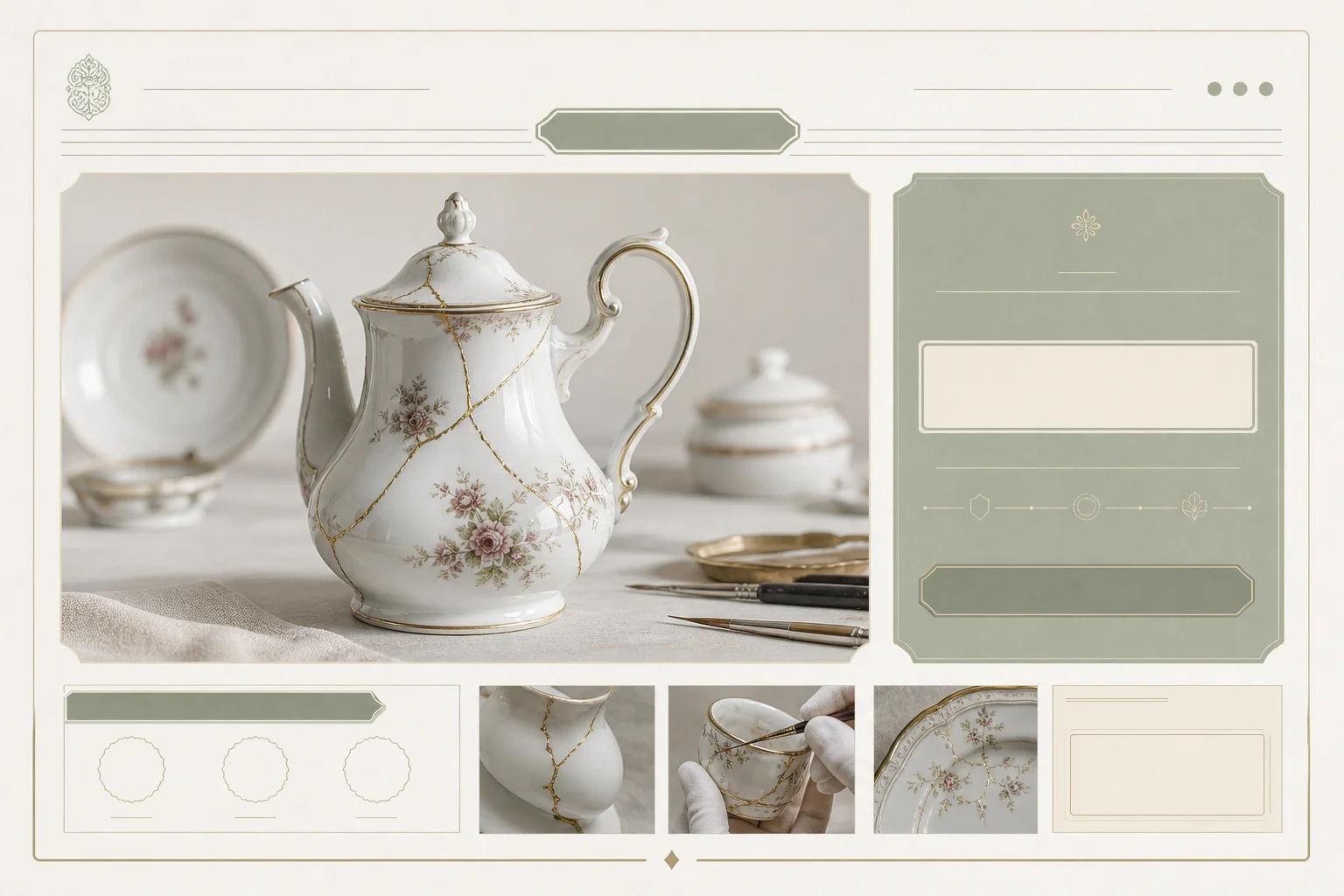
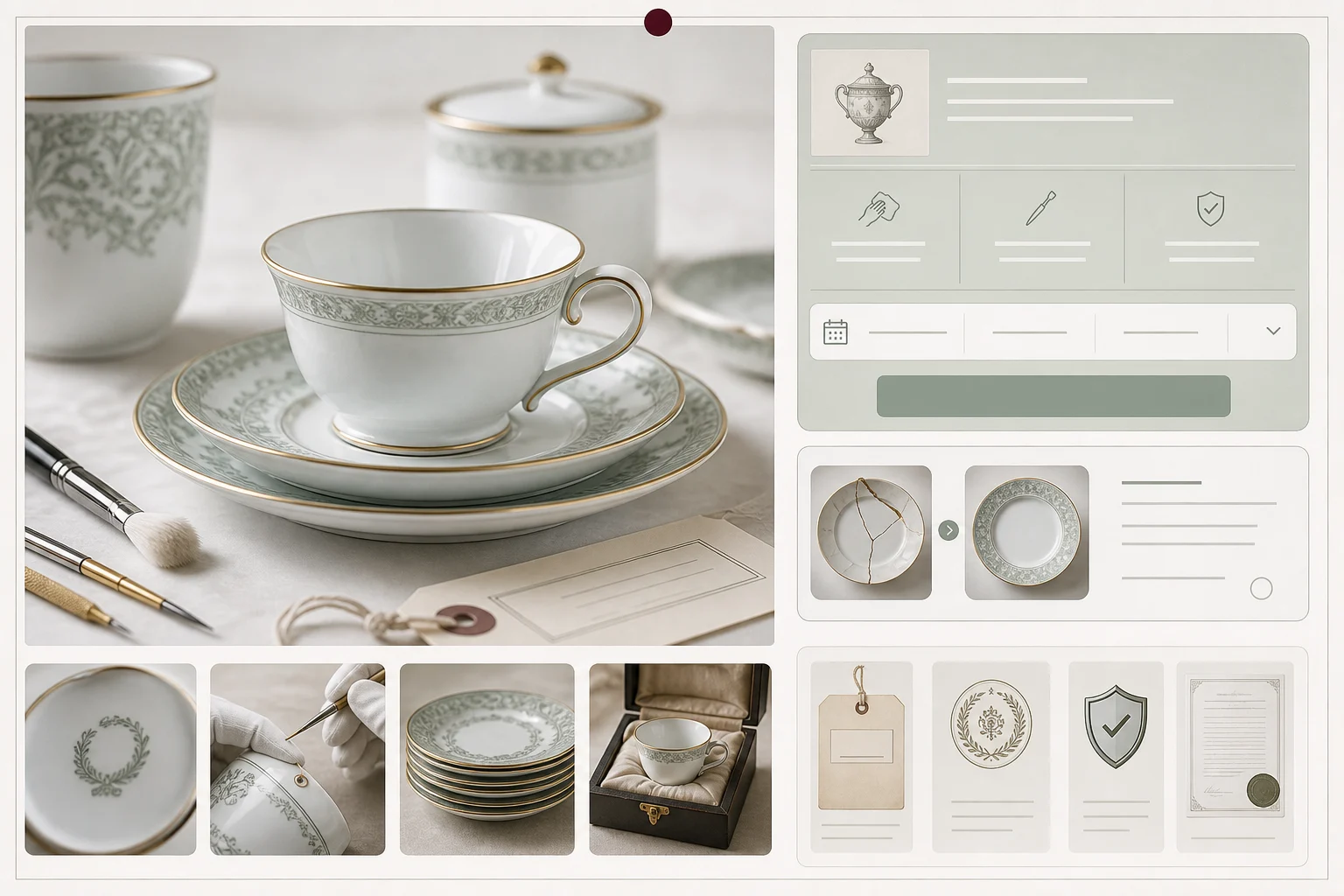
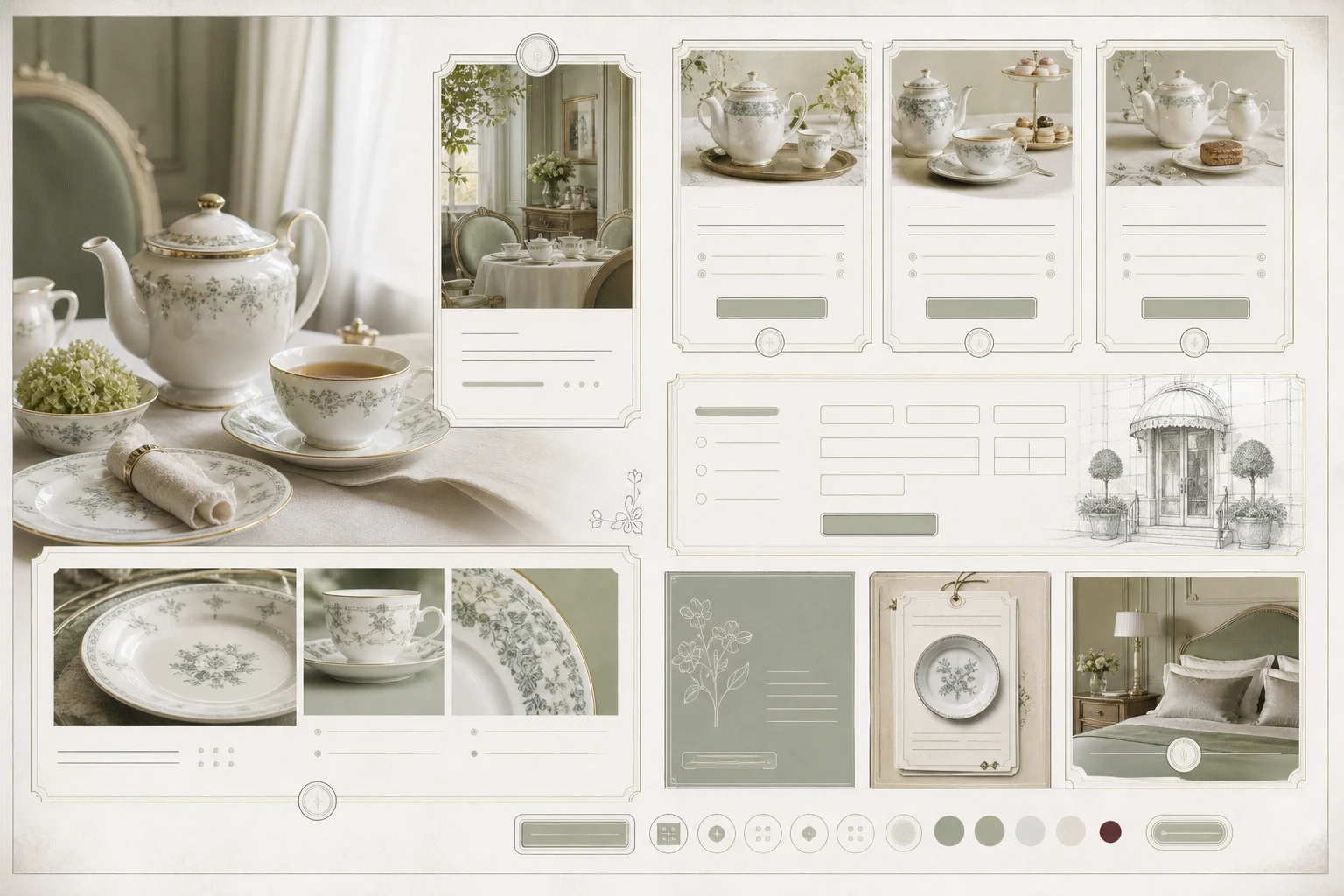
Responsive previews
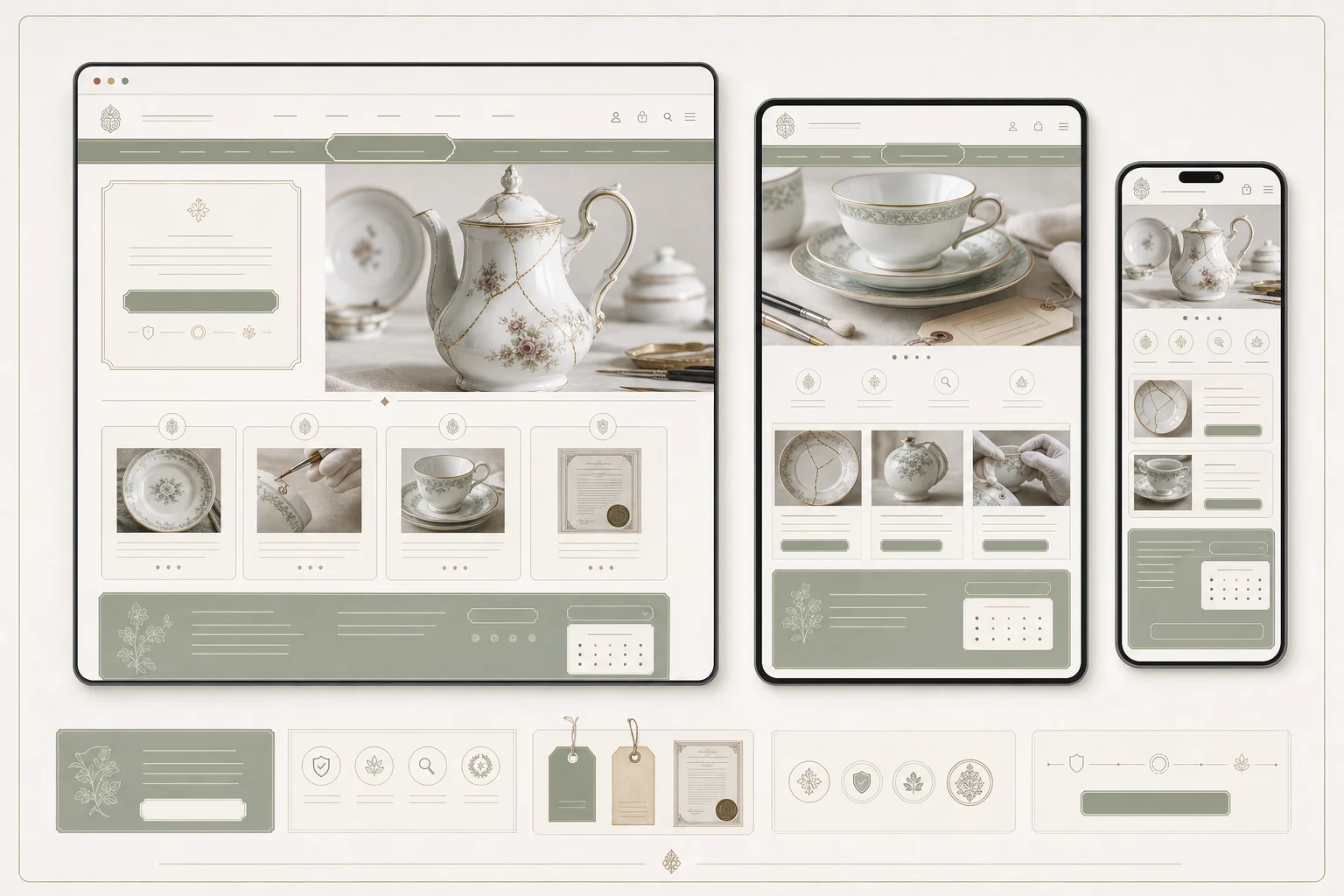
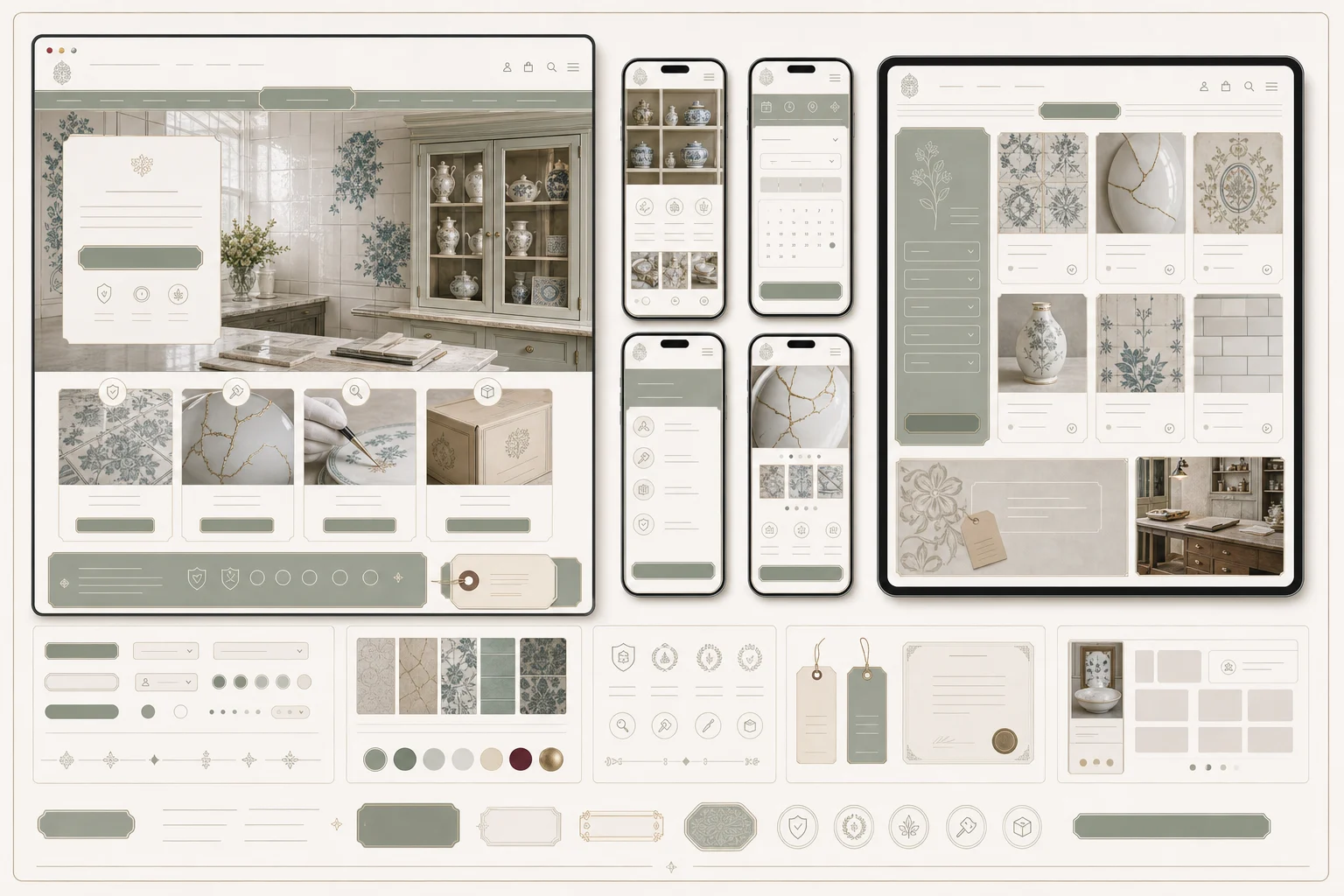
Responsive previews are proof notes. They are grouped as device evidence rather than treated as another decorative image.
Mobile, tablet, and device previews that prove the design language works across viewports.
- Why it exists
- These previews prove the system can move from desktop atmosphere into practical mobile evaluation.
- Feeling
- Stable and reassuring: identity should survive the smaller frame without losing hierarchy.
- Role
- Responsive previews
- Count
- 2
Moodboard plates
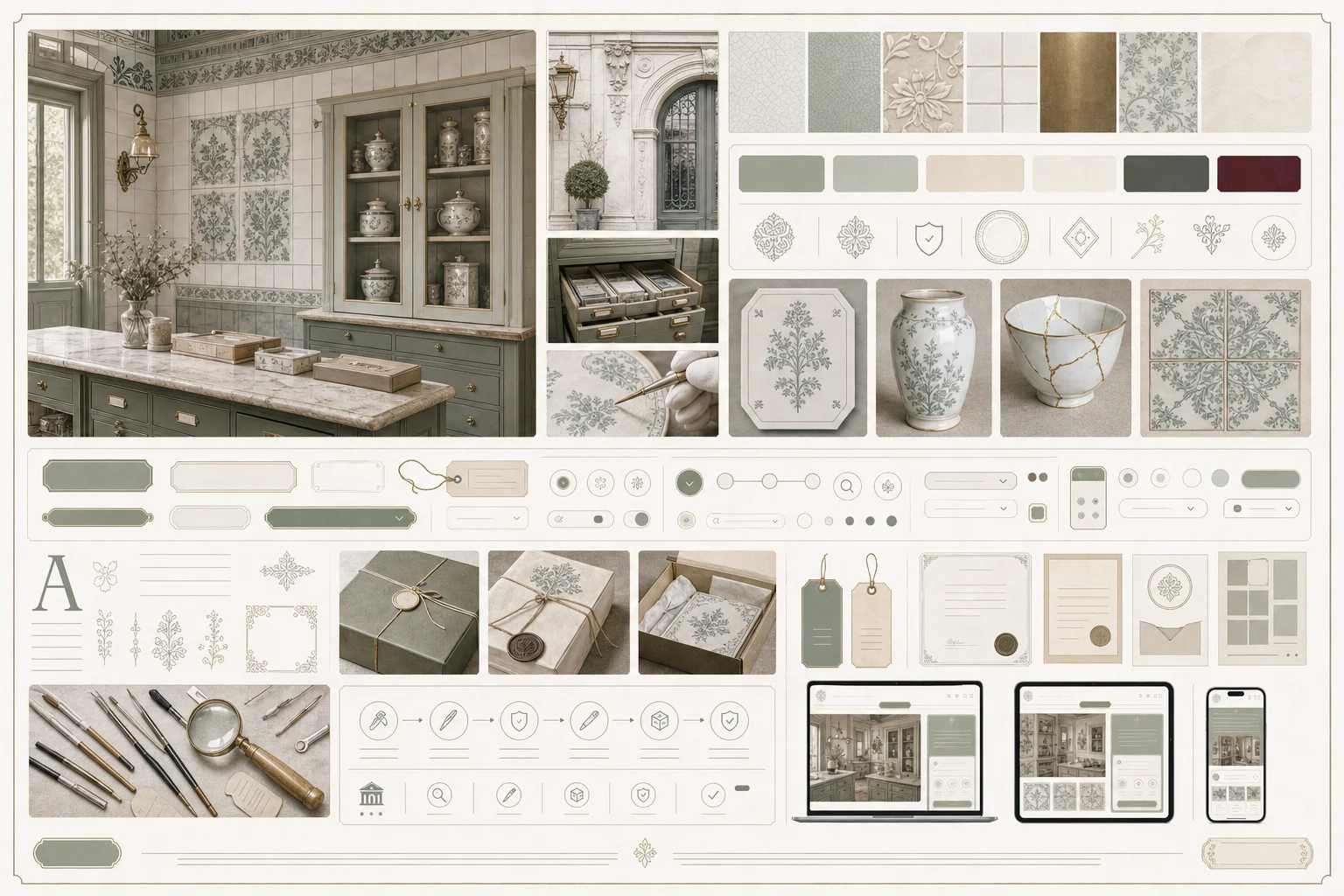
Moodboard plates summarize the period vocabulary: materials, type, color, and framing logic in one reference sheet.
Curated plates that summarize the period mood, materials, type, and layout references.
- Why it exists
- These plates establish the vocabulary that keeps generated imagery, materials, and components coherent.
- Feeling
- Editorial and connective: the plate should explain why the group belongs together before any single specimen is judged.
- Role
- Moodboard plates
- Count
- 1
Prompt-tracked inventory list
Showcase scenes
- catalogue hero and gallery template preview
- archive and collection template preview
- Sage & Porcelain Maison catalogue hero, homepage moodboard, and tea-house business-scene preview
- Sage & Porcelain Maison consultation-table business-scene preview
- Sage & Porcelain Maison retail pickup, gifting, and tea-service business-scene preview
- Sage & Porcelain Maison product collection launch and catalogue hero preview
- Sage & Porcelain Maison tea-room service and booking hero preview
- Sage & Porcelain Maison care, repair, provenance, and aftercare service-page preview
Template previews
- Sage & Porcelain Maison homepage template preview
- Sage & Porcelain Maison ecommerce collection template preview
- Sage & Porcelain Maison booking and reservation template preview
- Sage & Porcelain Maison care, repair, and provenance service template preview
- Sage & Porcelain Maison editorial archive and collection story template preview
Component details
- Sage & Porcelain Maison object labels and provenance component detail
- Sage & Porcelain Maison product card and price plaque component detail
- Sage & Porcelain Maison booking form and service selector component detail
- Sage & Porcelain Maison care instruction and provenance timeline component detail
- Sage & Porcelain Maison navigation, tabs, accordion, and CTA primitive detail
Material textures
- archival label and metadata panel texture
- Sage & Porcelain Maison porcelain-white archival paper UI background texture
- Sage & Porcelain Maison pale sage painted cabinet UI panel texture
- Sage & Porcelain Maison archival label card-stock texture
- Sage & Porcelain Maison porcelain glaze UI surface texture
Cutouts and decorators
- reusable museum label plaque or archival tag
- Museum Editorial object label card
- Museum Editorial archival marker
- Museum Editorial display plaque support
- Museum Editorial accession tag for object records and provenance cards
- Museum Editorial archive number plate for catalogue sections without baked-in numbers
- Museum Editorial object plinth for object-card and gallery-hero composition
- Sage & Porcelain Maison brass and porcelain label-holder cutout for UI frames and service labels
- Sage & Porcelain Maison oval porcelain seal plaque cutout for badges, cartouches, and trust markers
- Sage & Porcelain Maison shallow porcelain tray frame cutout for image masks and metadata plaques
- Sage & Porcelain Maison archival provenance folder-tab cutout for metadata panels and service pages
- Porcelain restoration fragment label holder for provenance cards and object-inspection modules
- Wide porcelain provenance tab for archive metadata strips and product-record headers
Campaign plates
- Sage & Porcelain Maison porcelain restoration launch campaign preview
- Sage & Porcelain Maison product-service launch and booking campaign preview
- Sage & Porcelain Maison hospitality reservation and service-menu campaign preview
Responsive previews
- Sage & Porcelain Maison desktop, tablet, and phone storefront responsive preview
- Sage & Porcelain Maison ceramic interiors, archive, and restoration responsive preview
Moodboard plates
- Sage & Porcelain Maison broad period moodboard with materials, UI, architecture, packaging, and service references
Other design systems
Return to homepageRoute: /design-systems/museum-editorial